

Last Updated on October 20, 2026 by Umar Farooq
Concrete paver molds are reusable forms, plastic, rubber or homemade wood, that you fill with concrete mix to cast your own pavers. They work well for stepping stones, garden paths and small patios where the load is feet and the budget is tight. They are not a way to copy a factory interlocking paver, because a factory paver is made and tested to a standard that a bucket of mix in a plastic tray won't meet. Below: which mold to pick, how to fill and cure it, and where homemade pavers stop being a good idea. You can read more in the guide to rubber pavers.
Choosing concrete paver molds: plastic, rubber or wood
EngineerFix, one of the guides I read, sorts molds by material, and the trade-offs are straightforward:
| Mold material | Good for | Watch out for |
|---|---|---|
| Plastic (ABS or polypropylene) | Low cost, rigid or semi-flexible, repeat use | Can crack if you demold carelessly |
| Flexible rubber (silicone or polyurethane) | Fine texture, easy release | Costs more |
| Wood (homemade) | Cheapest for plain squares and rectangles | Needs sealing and a good release agent |
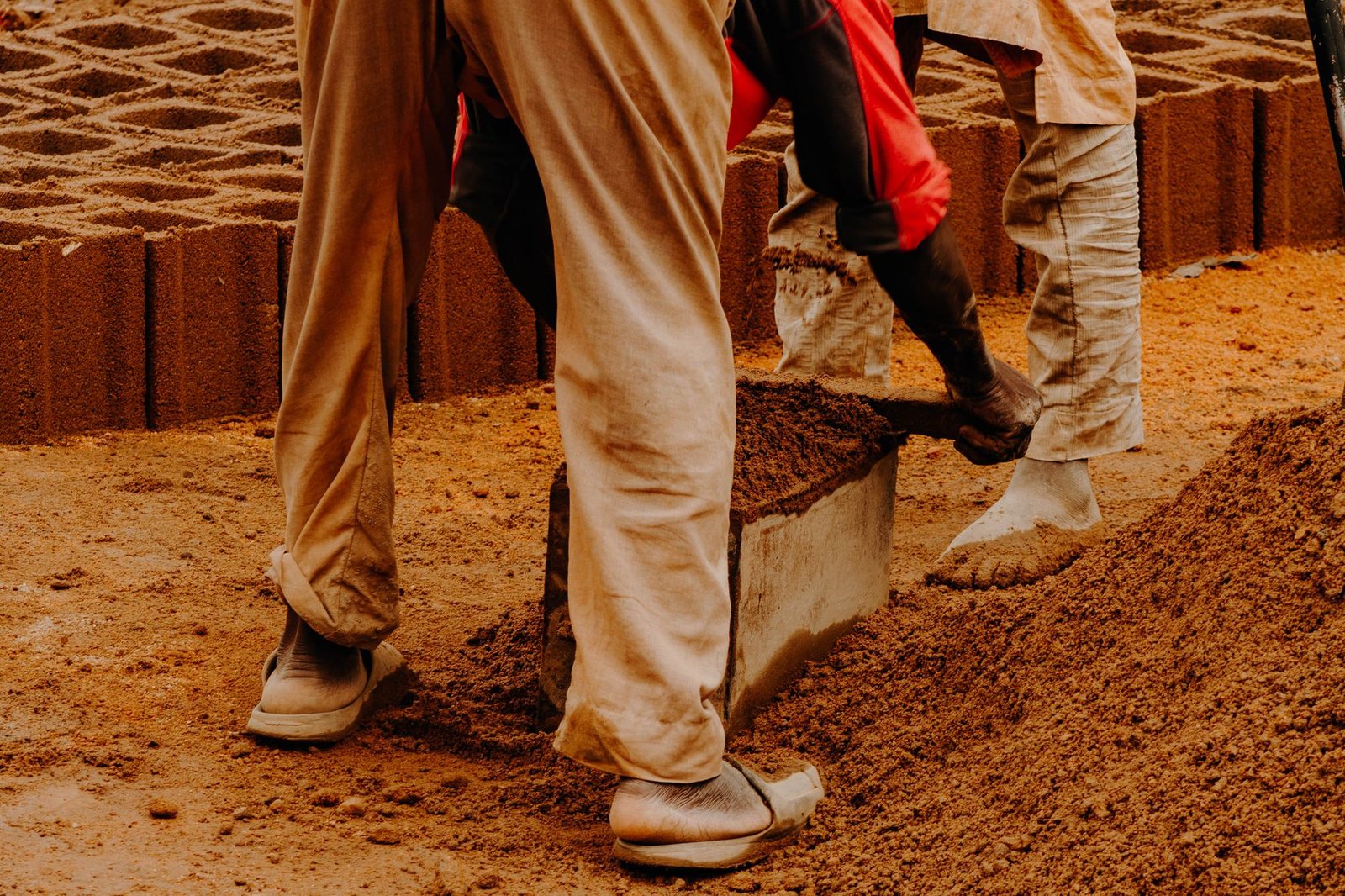
There is also a category in between: large plastic forms that cast several pavers at once in place. Quikrete's Walk Maker forms are reusable plastic molds, nominally 2 ft x 2 ft x 2 in, in four patterns (Country Stone, Running Bond Brick, European Block and Basket Weave Brick). You set the form on the ground, fill it, and move it along. Quikrete says to remove 1 inch of topsoil and level the form first for professional results.
For the cheapest start, Housedigest shows a mold made from a plastic nursery pot with the bottom cut off. You cut the pot into rings the height of the paver you want and set them on a bed of sand. The example is a 12-inch round paver, 2 inches thick, and an 80-pound bag makes about four of them.
Fill and finish the mold
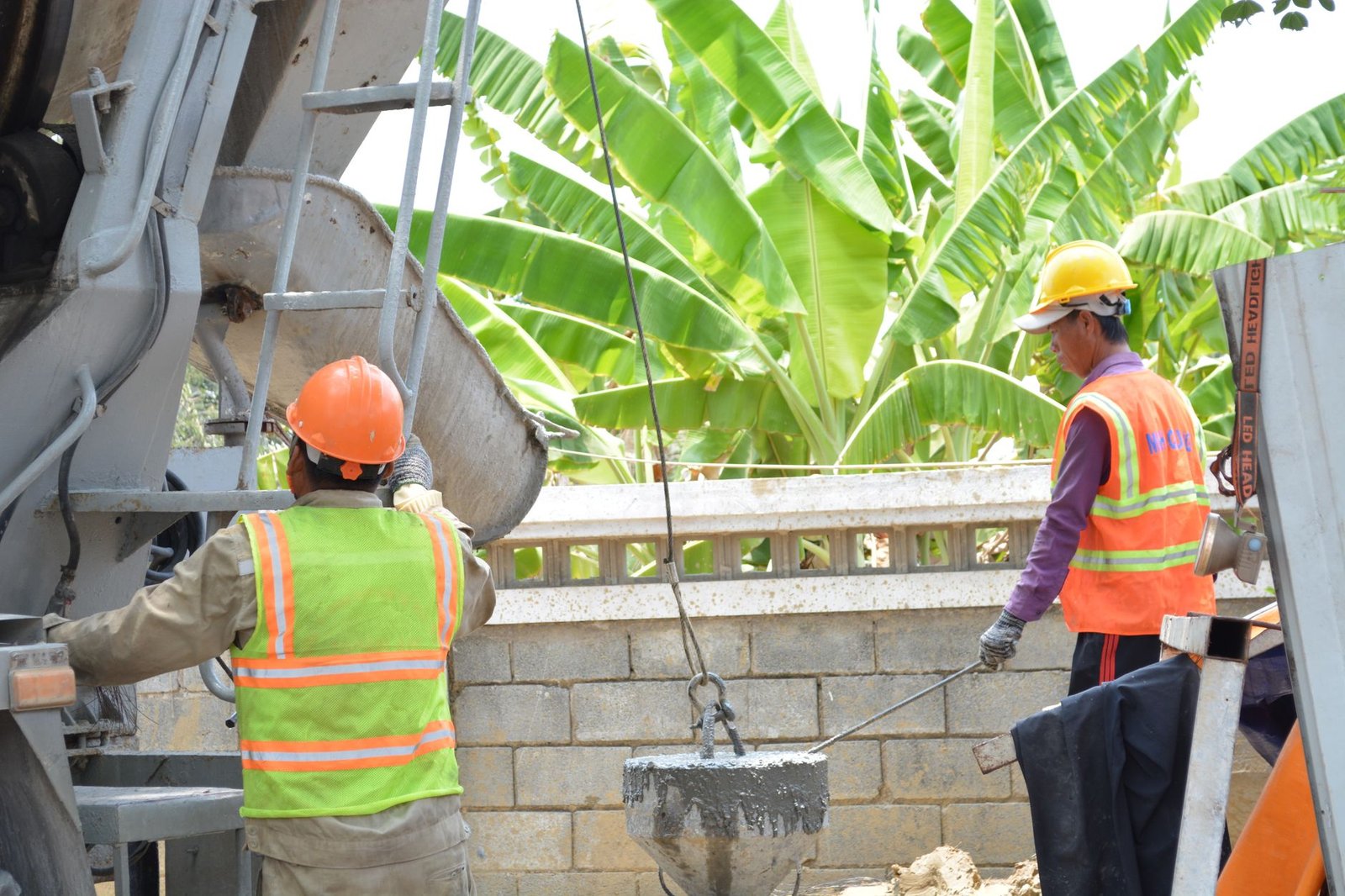
The steps that every guide shares:
- Release agent. A thin, even coat of form oil or mineral oil on the inside of the mold, with no puddles. Wood needs sealing as well.
- Mix. EngineerFix gives a mix of cement, sand and aggregate of about 1:2:3 by volume, with a water-to-cement ratio of 0.4 to 0.5 by weight. If you use a bagged mix, follow the bag: Quikrete says to add 2.5 quarts of water to each 80-lb bag to start, and the final amount should be 2.5 to 4.5 quarts, mixed until the consistency is plastic and moldable.
- Fill each cavity level with the top of the mold.
- Tap out air. Rap the sides and bottom with a rubber mallet to settle the mix and bring bubbles up. Our rubber mallet guide covers the tool.
- Strike the top level with a straightedge, then trowel smooth while it's still in the mold.
Color is optional. Quikrete says liquid cement color, mixed with water before it's added to the dry mix, will enhance a Walk Maker project. EngineerFix lists powdered iron oxide pigments. Whichever you use, measure the same quantity for every batch, because "about a scoop" produces a patio of slightly different grays.
Cure the pavers: demold early, keep them damp
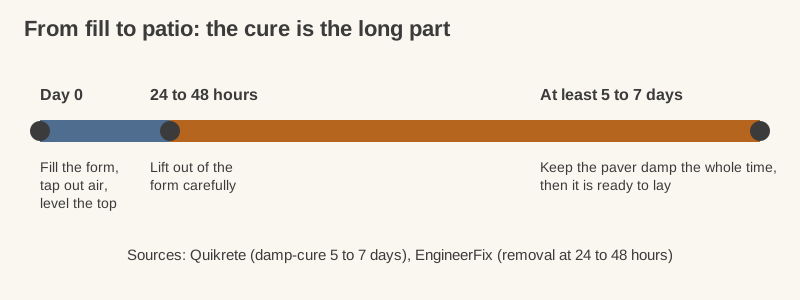
The part people skip is the curing. EngineerFix says to demold after 24 to 48 hours, and then keep the pavers continuously moist for at least seven days. Quikrete's data sheet says concrete should be damp-cured for 5 to 7 days for the greatest strength, or you can apply its acrylic cure and seal once the concrete has hardened but is still damp. Housedigest also suggests 5 to 7 days in moderate temperatures. Where the sources differ, take the longer figure.
Practical cure tips:
- Keep them damp for the whole period, not just on day one.
- Treat them gently until the cure ends.
- Housedigest adds that for pavers thicker than 4 inches, a square of wire mesh placed midway through the pour reduces the risk of cracking.
I'll admit the waiting is the hardest bit of a DIY paver project, and I say this as someone who has only read about doing it.
Where molded pavers work, and where they don't
A factory concrete paver has numbers behind it. The standard, ASTM C936, calls for an average compressive strength of 8,000 psi, no unit under 7,200 psi, and an average water absorption of 5%, with no unit over 7%, according to the CMHA guide specification. CMHA also defines a paver as at least 2 3/8 inches thick. That's the benchmark, and a cast stepping stone from a bag of mix is not tested to it. The EngineerFix and Quikrete guides give no strength figure for the finished product, and I'm not going to invent one.
So the sensible use is light:
- Stepping stones and garden paths, where the unit is spaced out. Our stepping stones for a walkway guide covers layout.
- Small patios or pads for chairs and a grill, laid on a proper compacted base.
- Decorative accents such as borders and inserts.
And the places to avoid: driveways, anywhere a vehicle goes, and any project where the pavers must interlock as a field. The factory process matters here too. Our comparison of dry-cast vs wet-cast concrete pavers explains why a poured, molded paver and a pressed one are different products.
Molded pavers need the same base as any other paver. Use a compacted crushed-stone base and edge restraint, as described in paver base. A homemade paver on dirt is a very expensive stepping stone for the mud.
Make a few for the path, buy the rest for the patio
Concrete paver molds pay off when the project is small, the look is the point and nobody will park on it. Choose the cheapest mold that fits the job (a plastic form or a nursery-pot ring before a rubber one), keep the mix consistent, and cure for the full week. For a large patio, the manufactured pavers are tested and the labor of casting hundreds is not worth the saving.
FAQ
What are concrete paver molds made of?
Plastic (ABS or polypropylene), flexible rubber such as silicone or polyurethane, or homemade wood. Plastic is cheapest to buy, rubber captures texture best, and wood is the cheapest for plain shapes.
How long do concrete pavers take to cure in a mold?
Most guides say to demold after 24 to 48 hours, then keep the pavers damp for at least 5 to 7 days. Quikrete recommends damp-curing for 5 to 7 days for the greatest strength.
What mix should I use for concrete pavers?
One guide gives about 1:2:3 cement, sand and aggregate by volume, with a water-to-cement ratio of 0.4 to 0.5 by weight. A bagged mix works too, if you follow the water amount on the bag.
Can you use homemade concrete pavers on a driveway?
I wouldn't. Factory pavers are made to ASTM C936, and CMHA sets a minimum thickness of 2 3/8 inches. Homemade pavers aren't tested to it, so keep them for paths and light patios.
Do cast pavers need a base?
Yes. Lay them on a compacted crushed-stone base with an edge restraint, like any paver, or they will settle unevenly.


