


Last Updated on October 20, 2026 by Umar Farooq
A paver driveway turnaround is a paved pad or loop that lets you drive out forward instead of reversing down the whole drive. The smallest version is a T-shaped spur about 10 feet wide and 12 to 14 feet deep, which is also the cheapest to build. A full circle needs a wider lot, and a teardrop loop sits in between. Whichever shape you pick, the part that decides whether it lasts is the base: tires turning on the spot punish pavers more than straight driving does.
Decide if you need a turnaround at all
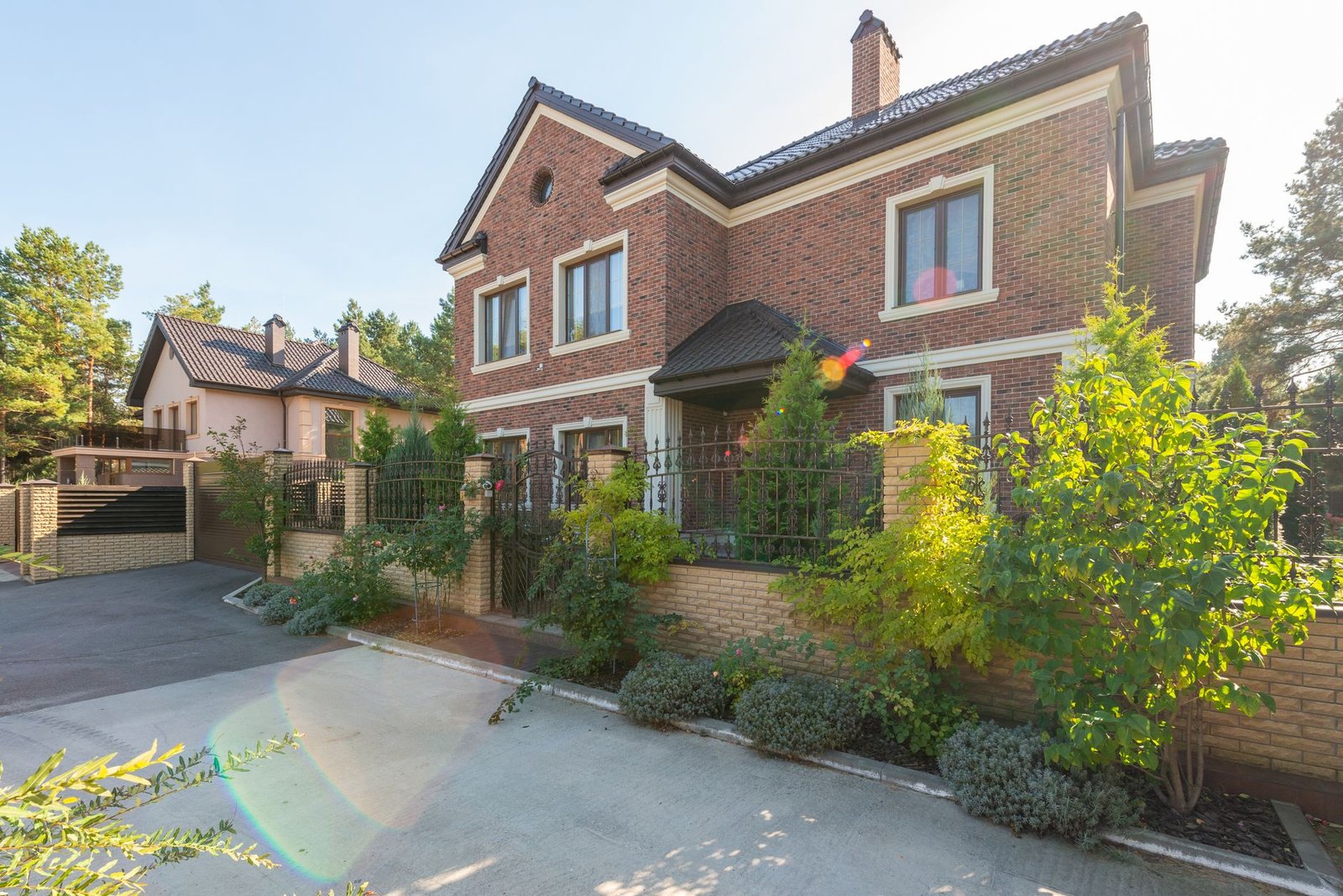
The case for one is simple. A turnaround means you never back out across a sidewalk or onto a busy street with a blind spot behind you. The Concrete Network's driveway design guide says turnarounds make sense on longer driveways, so you can reverse in and drive out forward, and notes that fire-truck access can matter on a long drive too. A gravel-driveway guide from House Digest adds that a local ordinance based on the International Fire Code may require one, so call your building department before you design anything.
The case against is surface area. Every square foot of turnaround is paving you buy, dig, fill with stone and maintain. If your drive is short and your street is quiet, a turnaround may be more patio than necessity. A cheaper option sits halfway: a paver parking pad beside the drive gives you somewhere to swing a car without a dedicated loop.
How big the paved area needs to be

Sizes depend on the vehicle, so start from the biggest one you own. The Concrete Network puts a typical turnaround at 10 feet wide by 12 to 14 feet deep, larger for extended-cab trucks, and its general sizing is 18 to 20 feet of length per car, 22 to 24 feet for full-size pickups and oversized minivans. It also says to leave room for the car to clear the garage before turning.
For loops, a driveway-expansion roundup from Journeyman HQ gives a circular turnaround a 16 to 20 foot diameter, with 16 feet for smaller cars and 18 to 20 feet for SUVs and trucks, plus at least 30 feet of street frontage for a full circle meeting the street at two points. A tighter teardrop works at about 12 to 14 feet across, but only for smaller vehicles. House Digest's circular guide quotes a larger 25 to 30 feet where it has to handle everything from sedans to delivery trucks. The sources disagree because "turnaround" covers everything from a three-point turn to a delivery loop, so size yours for the longest vehicle that will actually visit.
T spur, teardrop or circle: pick by lot, not by looks
The T spur is the one to try first. It needs a strip beside the drive, it uses the least paving, and you reverse into it, then pull out forward. It looks utilitarian, and that is fine: nobody has ever admired a driveway for its three-point-turn geometry.
A teardrop or a circle looks better and works with less reversing, but the footprint grows quickly. A full circle only fits if you have the frontage, which the sources put at roughly 30 feet, and it asks you to pave an island you will then plant or leave empty. A central bed is the traditional answer, and it also keeps paving off the middle where no tire ever goes. If a circle is the goal, a driveway paver extension is often how you add the width on an existing drive without starting over.
The base under a turning tire
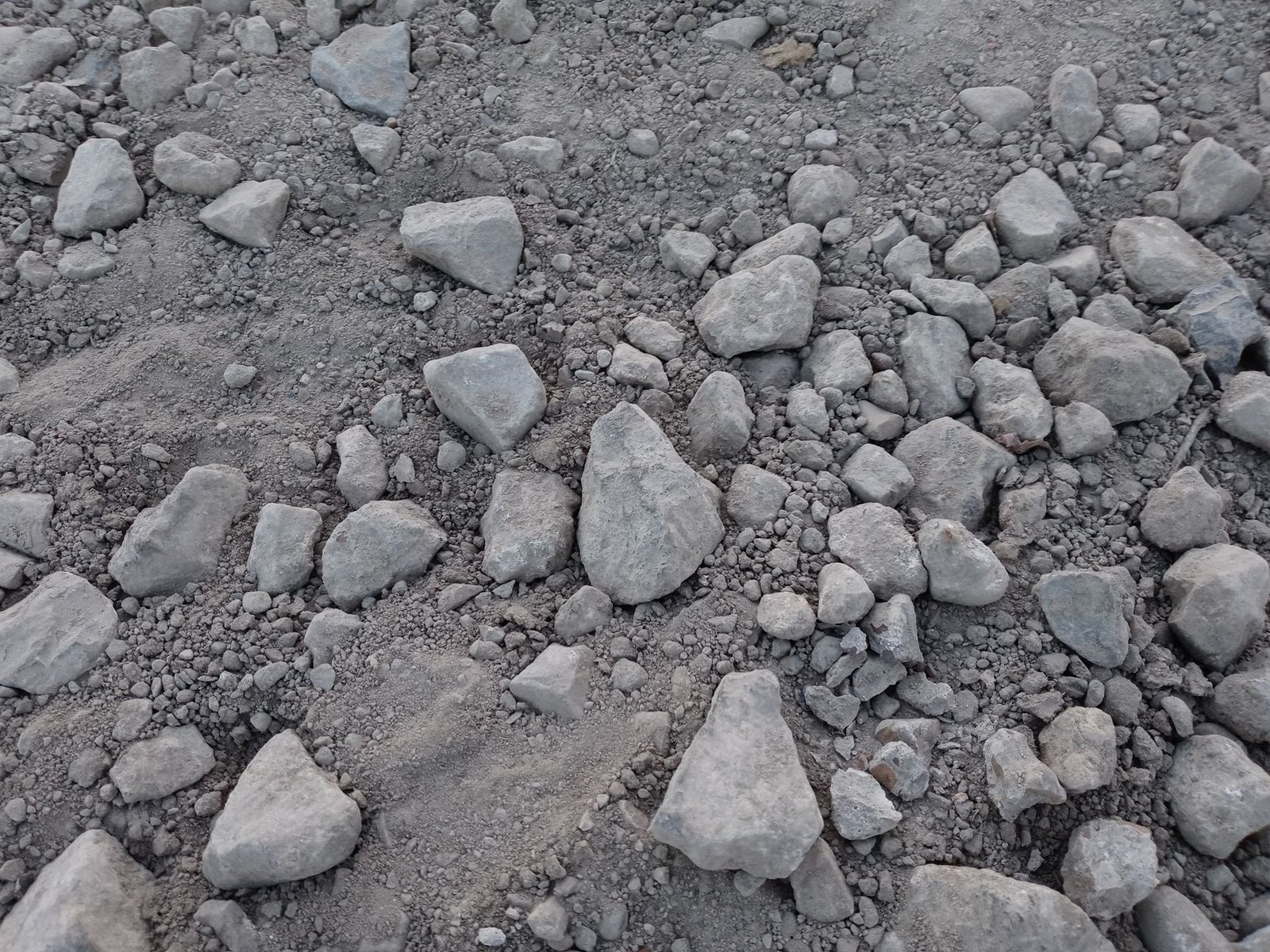
A tire that turns while the car is almost stationary twists the surface instead of just pressing down. That is the harshest load a paver driveway sees, and a turnaround is where it happens every day. So build it as a driveway, not a patio.
ICPI Tech Spec 2 calls for at least 6 inches of compacted base under a residential driveway on well-drained soil, with 2 to 4 inches more in cold climates or on wet or weak soil. CMHA's Tech Spec 10 gives a typical driveway range of 6 to 8 inches. For the pavers themselves, CMHA says 2 3/8 inches is recommended for residential driveways and 3 1/8 inches is typical where vehicles drive. Keep long thin pavers off it: an aspect ratio of 4:1 or more should not be used where vehicles drive.
Quick arithmetic for a 10 x 14 foot T spur, which is 140 square feet. A 6 inch base is 70 cubic feet, about 2.6 cubic yards. Crushed stone weighs roughly 2,700 to 3,400 pounds per cubic yard, so expect to order about 3.5 to 4.5 tons. For the full sequence, see our paver driveway installation guide and the base quantities in how much paver base do I need.
Edge restraint, slope and the join to the main drive
Every paver field needs something solid holding its edges, and a turnaround has more edge than a plain drive: the spur's outer corners are exactly where tires pull the outer row sideways. Spike a proper restraint into the base, or use a concrete toe, because interlock only works when the field cannot spread. Extend the base past the pavers; CMHA's guide spec sets the distance from base edge to restraint spikes equal to base thickness, up to 10 inches.
Pitch the surface so rain leaves it. ICPI gives 1.5% as the minimum surface slope, a little under 3/16 inch per foot. Our paver driveway slope page covers the upper limits and how the turnaround should fall relative to the street. If the turnaround meets the sidewalk or street, check the apron rules first, since that strip may belong to the city.
Start with the T, grow only if the lot forces you
Most homeowners are better served by a modest T spur than a showpiece circle, because it solves the real problem, backing out blind, for the smallest paving bill. Size it to your longest vehicle, build the base to 6 inches or more, restrain the edges and slope it to drain. A turnaround is just a small driveway that gets turned on more often.
FAQ
How big should a driveway turnaround be?
A T-shaped spur is typically about 10 feet wide by 12 to 14 feet deep, larger for extended-cab trucks (Concrete Network). A circular turnaround runs 16 to 20 feet across, and a full circle needs roughly 30 feet of street frontage (Journeyman HQ).
Can you use pavers for a driveway turnaround?
Yes. Build it like a driveway: at least 6 inches of compacted base on well-drained soil (ICPI Tech Spec 2), pavers at least 2 3/8 inches thick, and a firm edge restraint. Check whether your city, county or HOA restricts materials where the turnaround meets the street.
What is a hammerhead turnaround?
It is the T shape: a spur off the side of the drive where you reverse in, then drive out forward. It is the smallest layout and the easiest to retrofit to an existing driveway.
Is a driveway turnaround required by code?
Sometimes. A local ordinance based on the International Fire Code can require one, particularly on long drives, according to House Digest. Ask your local building or fire department before you finalise the layout.
Is a circular or T-shaped turnaround cheaper?
The T spur uses less paving and base, so it is usually the cheaper build. A circle needs more area and more frontage, though it avoids reversing entirely.


