Last Updated on September 23, 2026 by Umar Farooq
The pros and cons of sealing pavers come down to this, and most of the "pros" lists I read were written by people who sell sealer. A sealer buys you stain resistance, slower fading, richer color and joint sand that stays put. You pay with recurring cost and labor, a surface that can be slippery when wet, and a real risk of cloudy haze if the job is rushed. Sealing adds nothing to the pavers' strength. So seal where stains, color or washed-out joints bother you, and skip it where they don't.
What sealing buys you
A good sealer changes how the paver surface behaves, not how the pavement holds up. Think raincoat, not skeleton.
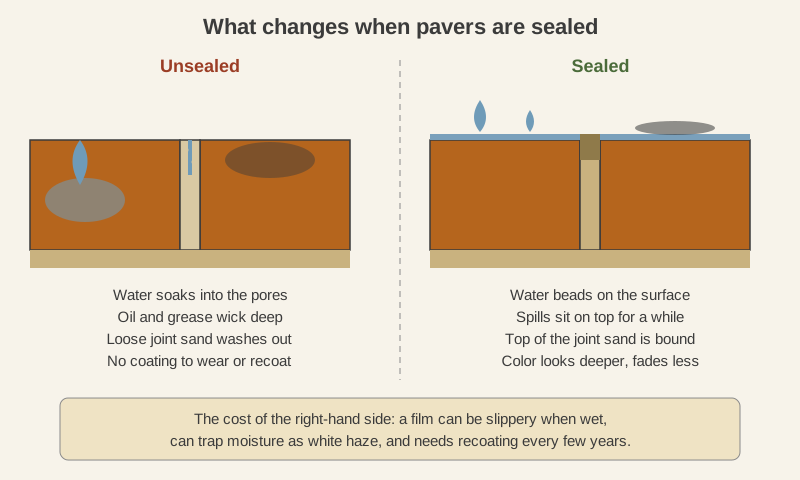
- Stain resistance. The big one. Unilock's paver sealing pros and cons lists protection from "water, dirt, oil, and stains" as the main reason to seal. On a sealed paver, spills stay near the surface long enough to wipe off instead of wicking in.
- Less fading. Film sealers put a sacrificial layer between pigment and sun.
- Better color. Wet-look and enhancing sealers deepen tones, like pavers after rain.
- Firmer joints. Joint-stabilizing sealers bind the top of the joint sand: less washout, fewer homes for weed seeds and ants.
- Easier cleaning. Dirt and algae come off with a gentler wash, so you pressure wash less often. (The neighbours will miss the Saturday noise. Briefly.)
- Salt and chemical resistance. Techniseal's film sealers are formulated to resist de-icing salts, acids and alkalis.
Pros and cons of sealing pavers, sealed vs unsealed
| Unsealed pavers | Sealed pavers | |
|---|---|---|
| Strength and lifespan | Full, decades | Same; sealer isn't structural |
| Oil and grease | Soaks in quickly | Sits on top for a while |
| Color over time | Fades and weathers | Fades more slowly; can be deepened |
| Joint sand | Can wash or blow out | Bound at the top with stabilizing sealers |
| Grip when wet | As manufactured | Same with penetrating; lower with film |
| Upkeep | Sweep, wash, re-sand | The same, plus recoating every few years |
| Risk if done badly | None | Haze, whitening, peeling, stripping |
The drawbacks sealer labels mention in small print
The cons of sealing pavers are real, and most of them are printed on the sealer's own data sheet. On every sheet I checked, the warnings sit well below the glossy patio photo.
- It's a commitment. Sealer wears away, and film sealers wear first in traffic lanes. Unilock gives a recoat interval of three to five years; Techniseal says recoat only when worn, minimum 2 years. The first seal is the cheap part. See how often pavers should be sealed for reseal timing.
- Film sealers can be slippery. Techniseal says its wet-look and even its matte natural-look films "will make the surface more slippery when wet," and suggests anti-slip grit. That matters on pool decks, steps and ramps.
- Trapped haze and whitening. Any film can trap efflorescence or moisture as a white cloud, and over-applying makes it worse. Unilock lists a whitish film among the risks too. The fix may be stripping.
- The look changes. Even a "natural" sealer can darken pavers slightly, which works against a weathered look you like.
- You're locked into a product. Most sealers only go over bare pavers or themselves. Switching later means stripping.
- Overspray. Mist lands on plants, siding and cars, and solvent products are flammable and pungent.
When sealing isn't worth it
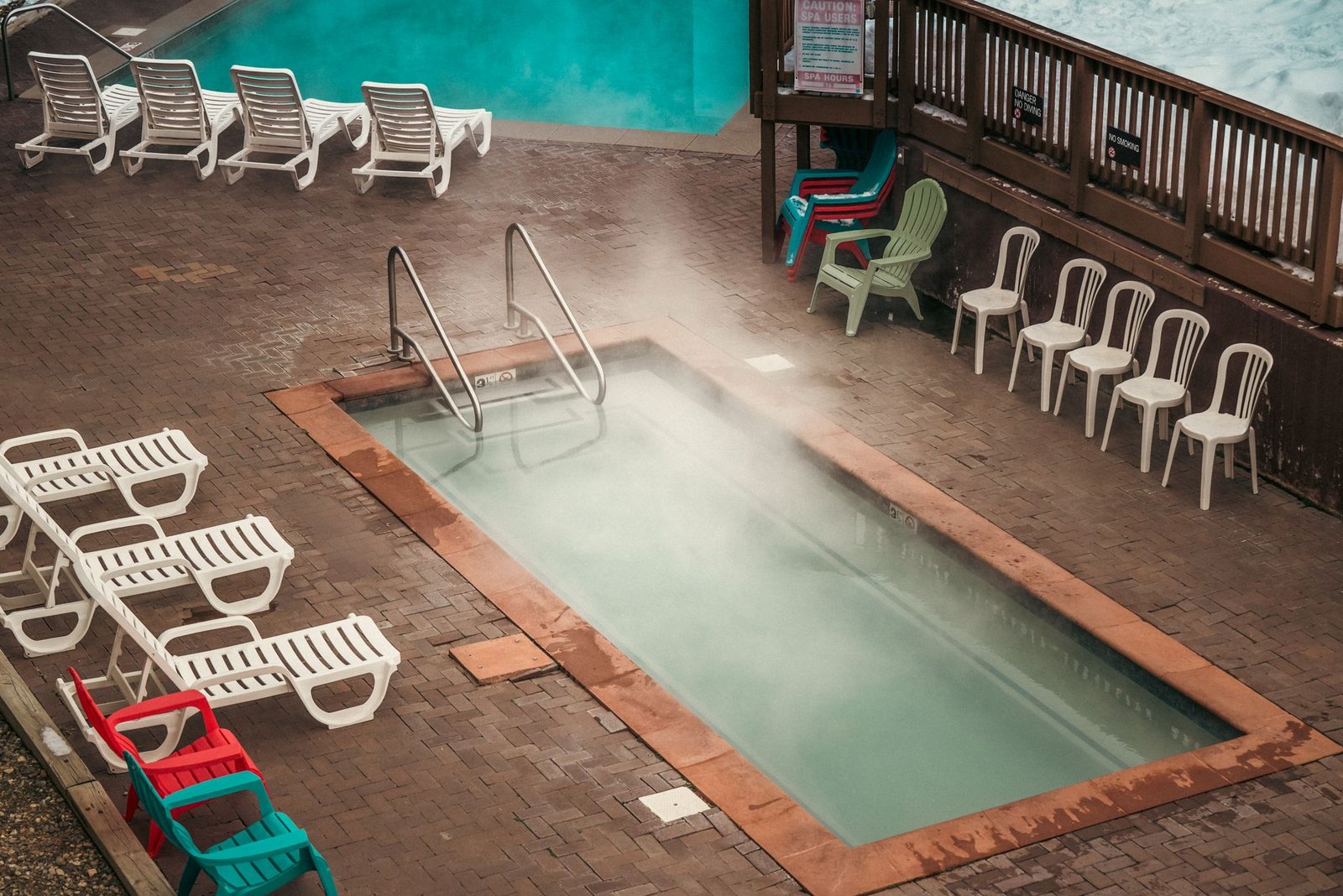
My position, unpopular with anyone selling jugs: don't buy sealer until the patio gives you a reason. Check what you have first. If sprinkled water beads, there's protection there already. Sealer isn't structural, so bare pavers lose only looks, and the cheapest option here is doing nothing. Skip sealing, or wait, when:
- Low-traffic, low-mess areas. A side walkway or grill-free patio rarely stains.
- You like the weathered look. Bare concrete pavers mellow evenly.
- Dense surfaces. Porcelain and dense stone such as granite barely absorb anything; Techniseal rules out its wet-look film for granite, marble and dense natural stone. Flagstone varies: porous sandstone can benefit, dense slate gains little.
- New pavers. Wait out the efflorescence.
- Wet areas that must stay grippy, unless it's penetrating or gritted.
- You won't keep it up. A sealer that wears unevenly in traffic lanes looks worse than none. Half a sealed patio is mostly a map of where people walk.
Where sealing earns its cost
On the other side, sealing pays its way here:
- Grill and outdoor kitchen areas. Grease is the hardest stain to lift from bare concrete.
- Driveways, for oil drips and tire marks.
- Light-colored pavers, which show every spill and leaf stain.
- Colored or blended pavers, to keep the blend vivid.
- Joints that keep washing out on slopes or near downspouts.
- Pool decks, with a penetrating sealer. It resists stains without a slick film. Techniseal pitches its penetrating Natural Look (iN) sealer as "ideal for slip-prone surfaces" and notes it "will not trap efflorescence."
Rochester Concrete Products' look at post-installation sealers adds a caveat: many modern pavers ship with factory surface protection. Sealer adds to that; it doesn't replace cleaning.
Seal for stains and color, not for strength
If spills, fading or washed-out joints bother you, seal, and choose a penetrating sealer anywhere grip matters. If they don't, leave the pavers bare. They'll last just as long. When you do go ahead, follow a proper paver sealing process so the cons stay small. And if you've read this far still undecided, that's usually an answer: leave them bare for a year, and let the grill vote.
FAQ
Is it bad to seal pavers?
No, but it's easy to do badly. Sealing damp, dirty or brand-new pavers can trap moisture and efflorescence as a white haze, and thick coats can peel or get slippery. Done on clean, dry, settled pavers in thin coats, a sealer does no harm.
Do sealed pavers last longer?
Structurally, no. Sealed and unsealed concrete pavers last about equally long. What sealing preserves is appearance: color, fewer set-in stains and joint sand that stays full.
Does sealing pavers stop weeds?
It helps when the sealer is a joint stabilizer that binds the top of the joint sand, because seeds have less loose sand to root in. A regular sealer that only coats the paver faces does little for weeds. Polymeric sand does more.
Should you seal pavers around a pool?
Only with care. Film sealers can make pool decks slippery when wet, and that's a real risk for barefoot traffic. Use a penetrating sealer, or add anti-slip grit to a film sealer, and test a patch first.
Does sealing pavers change the color?
Usually a little. Wet-look sealers darken and add gloss on purpose. Natural-look sealers are meant to keep the original color, though some darken it slightly. Always try a hidden test patch before sealing the whole area. The wet look vs natural paver sealer comparison shows the difference.