Last Updated on September 23, 2026 by Umar Farooq
Wet look vs natural paver sealer is mostly a choice between color and grip, and on the sealer product pages I compared, only one of those ever makes the photo. A wet-look sealer is a film-forming coating, usually acrylic. It darkens pavers and adds gloss, as if they'd just been rained on, and it makes them more slippery when wet. A natural-look sealer keeps pavers near their original color, matte. The best are penetrating: they soak in, leave no film, and keep grip close to bare paver. Satin (low gloss) sits between. Both protect against stains. Pick wet look where color is the priority, and a penetrating natural sealer where people walk barefoot or the surface gets wet.
Wet look vs natural paver sealer, with satin in between
| Wet look (gloss) | Satin / low gloss | Natural / matte | |
|---|---|---|---|
| Appearance | Noticeably darker, richer color, visible shine | Slightly darker, soft sheen | Little or no color change, no shine |
| How it works | Film on the surface | Thinner film | Penetrating, or a thin matte film |
| Grip when wet | Lower; anti-slip grit advised | Somewhat lower | Close to bare with penetrating types |
| Coats | Two for full gloss | One or two | Often two, wet-on-wet (penetrating) |
| Efflorescence risk | Film can trap it | Film can trap it | Penetrating won't trap it |
| Wear pattern | Dull traffic lanes next to shiny edges | Less obvious than gloss | Fades evenly, nearly invisible |
| Best for | Driveways, front walks, colored and tumbled pavers | Most patios | Pool decks, steps, natural stone, heritage brick |
Protection is similar across the three. American Paving Design's natural vs wet look comparison says its natural-look sealer protects as well as wet look while leaving pavers looking as installed. The finish is mostly about appearance and grip. You're choosing an outfit, not armor.
Film-forming vs penetrating: where the sealer sits
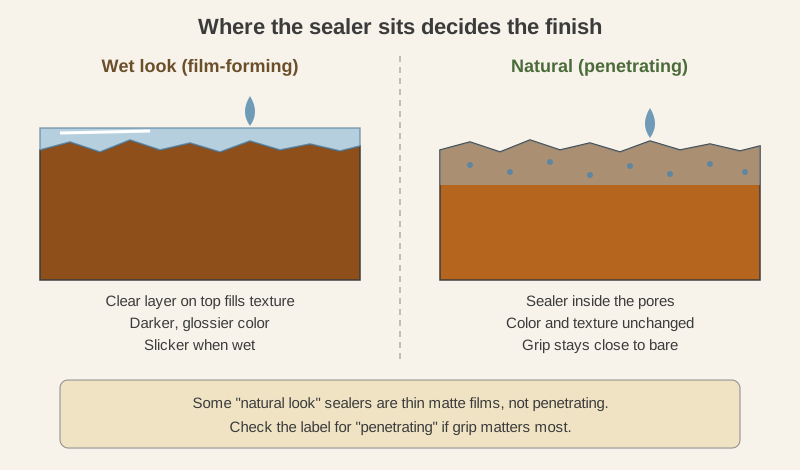
The finish comes from where the sealer ends up.
- Film-forming sealers leave a thin clear layer on top of the paver. It fills the fine texture and reflects light: gloss and deeper color. Techniseal's Wet Look (WL5) data sheet describes it as an acrylic that "forms a protective film" and imparts "a wet look gloss."
- Penetrating sealers such as silanes, siloxanes and fluoropolymers soak into the pores and line them with water- and oil-repellent agents. Nothing sits on top, so texture, color and grip barely change.
The catch is the label. "Natural look" doesn't always mean penetrating; I had to read two Techniseal data sheets side by side to notice. Techniseal sells two natural-look sealers. Its NS is a matte water-based acrylic film, and its data sheet still warns it "will make the surface more slippery when wet." Its iN is a true penetrating sealer marketed as "ideal for slip-prone surfaces." If grip is the point, look for "penetrating" on the label.
How much darker wet look really gets
Wet-look sealers imitate a paver right after rain. Reds deepen, charcoals go nearly black, blends show more contrast. My opinion, and it costs nothing: before buying gloss sealer, hose down a corner of the patio. That's a free preview of wet look. If you don't love it wet, you won't love it sealed, and you've saved the jugs and a stripping job. How much darker you get depends on the paver:
- Porous, textured and tumbled pavers take in more sealer and change the most.
- Dense, smooth pavers change less, and they can't take the second coat. Techniseal warns that a second coat on "pavers that are not very porous" can make the surface slippery.
- Full gloss takes two coats. With WL5, the second, lighter coat goes on once the first is dry to the touch, about 4 hours later.
Test before you commit. Techniseal asks for a 4 sq ft test patch in a hidden corner. Let it dry fully before judging; many sealers look darker wet than dry. (Yes, the wet-look sealer too. The irony isn't lost on anyone.)
Satin or low gloss is the middle ground: some color boost, a soft sheen, less glare and slip.
Grip on pool decks and steps
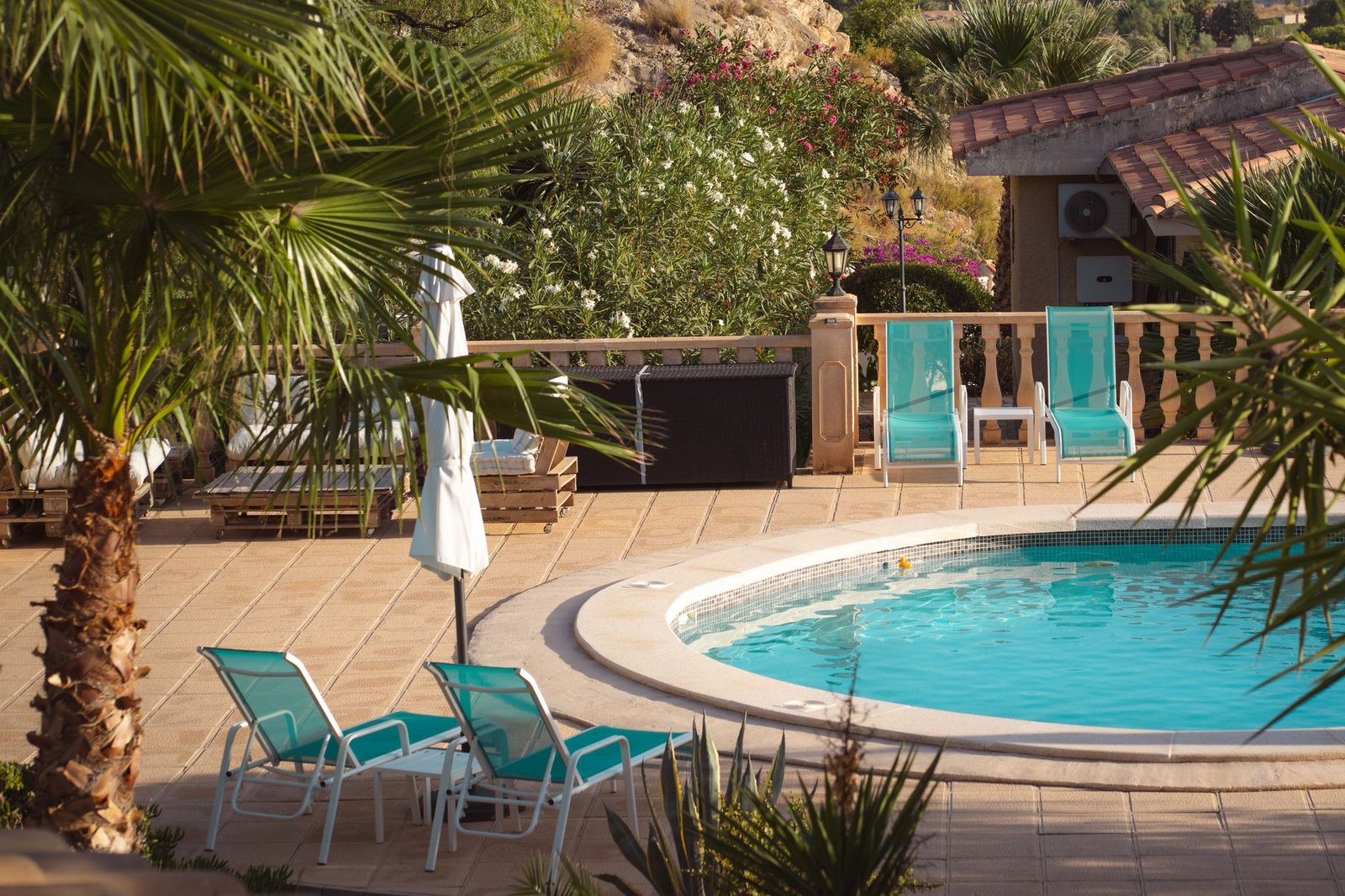
This is where the choice matters most. A glossy film on wet pavers is slicker than bare concrete, and on pool decks, steps and sloped walks that's a safety problem. Wet feet and wet look are not a romantic pairing. It also counts as one of the main cons of sealing pavers.
Your options:
- Penetrating natural sealer. The safest choice for barefoot and wet areas.
- Film sealer with anti-slip grit. Techniseal's Surefoot additive is stirred in before application.
- Skip the second coat of wet look on any surface where grip matters.
Upkeep and switching finishes later
The finish also decides how the sealer ages and how you recoat it:
- Wet-look films wear visibly. Traffic lanes and wheel paths go dull while the edges stay shiny. Recoating means cleaning and adding film over the same product.
- Penetrating sealers fade evenly. You notice only when water stops beading. Belgard says non-film sealers "last a bit longer."
- Switching isn't simple. Techniseal only allows its film sealers over bare pavers or over compatible products from the same family, and says to strip "any unknown coating." Wet look to natural means stripping the film first. Penetrating to wet look means waiting until the pavers absorb water again.
For recoating intervals by sealer type, see how often pavers should be sealed.
Matching the finish to the pavers
- Colored pavers on a driveway or front walk: wet look or satin, for curb appeal.
- Backyard patios: satin or natural; easier to live with, and wear shows less.
- Pool decks, steps, ramps: penetrating natural.
- Travertine and other porous natural stone: natural. American Paving Design recommends it for travertine. Techniseal rules out granite, marble and dense stone for its wet-look film.
- Clay brick: penetrating natural. Clay is dense and can take days to dry before sealing.
Natural where people walk barefoot, wet look where color matters
Both finishes protect pavers against stains. Wet look adds color and shine at the cost of some grip, visible wear and a harder switch later. A penetrating natural sealer keeps the pavers looking, and gripping, much as they were. For the full prep and application process, see paver sealing. And if you still can't decide, go back to the hose. The patio has been doing free auditions every time it rains.
FAQ
Is satin the same as wet look?
No. Satin, or low gloss, is a thinner film with a soft sheen and a slight color boost. Wet look is a fuller gloss that darkens pavers noticeably, usually after two coats. Satin is less slippery and shows wear less.
Can you put wet look sealer over natural look sealer?
Only if the natural sealer has worn off completely, or both products are from compatible lines. A film won't bond well over a penetrating sealer that still repels water. Over a different film, the old coat usually has to be stripped first. Always test a patch.
Does wet look sealer turn yellow?
It can. Rochester Concrete Products notes that post-installation sealers may yellow, wear unevenly or look patchy over time. It shows most on light-colored pavers, so test a patch and check the label for UV resistance.
Is natural look paver sealer slippery?
A penetrating natural sealer barely changes grip. A matte film sold as "natural look" can still make pavers more slippery when wet, and Techniseal says so about its own NS product. Check the label for "penetrating," or add anti-slip grit to a film.
Which paver sealer finish lasts longest?
Penetrating natural sealers usually last the longest, and they wear the least visibly. Belgard notes non-film-forming sealers "last a bit longer." Wet-look films give the strongest color, but they wear visibly in traffic lanes and need recoating sooner.