Last Updated on September 23, 2026 by Umar Farooq
How many pavers do I need? It's the one patio question with an exact answer, which makes it suspicious that so many people end up one pallet short. Measure the area in square feet, multiply it by the number of pavers per square foot for your paver size, then add 5 to 10% for a straight pattern or 15 to 20% for herringbone, diagonals and curves. For example, a 10 x 10 foot patio is 100 square feet. With standard 4 x 8 inch pavers (4.5 per square foot), that is 450 pavers, or about 495 with 10% extra.
The rest of this page covers what makes the count right: odd shapes, real paver sizes, borders, multi-piece patterns and curves.
Step 1: measure the area in square feet
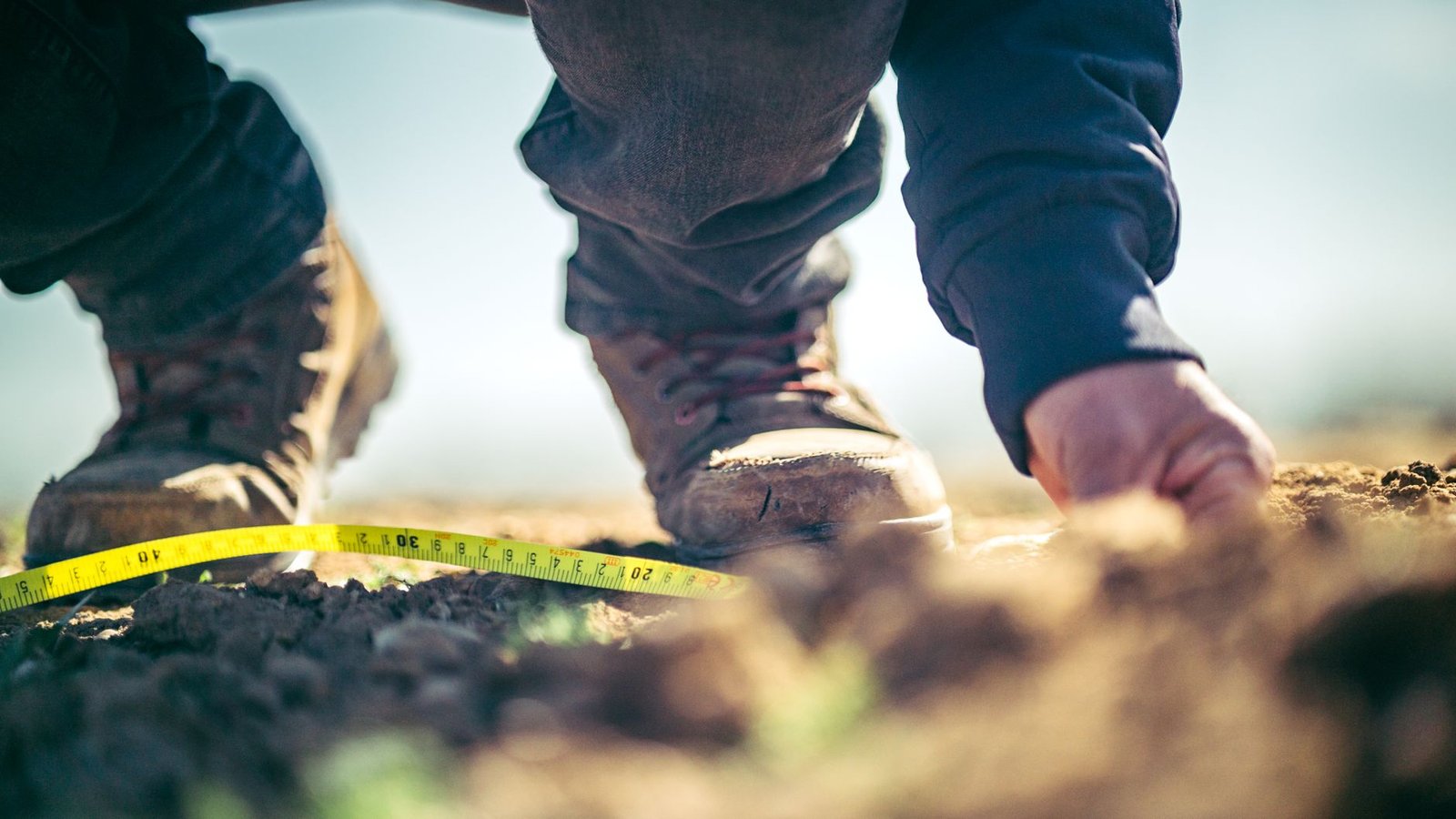
For a rectangle, multiply length by width in feet. A 12 x 16 foot patio is 192 square feet.
For anything else, break the shape into pieces you can measure:
- L-shapes and bump-outs: split into rectangles and add them.
- Triangles: base x height ÷ 2.
- Circles: 3.14 x radius x radius. A 10-foot-diameter circle (5-foot radius) is about 78.5 square feet.
- Free-form curves: draw the shape on graph paper at 1 square = 1 foot, count the full squares, and count partial squares as halves.
Measure the finished paver surface, not the excavation. The base runs past the edge; the pavers stop at the restraint.
If a measurement ends in inches, convert it to decimal feet (6 inches = 0.5 ft) before you multiply. Most counting errors come from mixing units.
Step 2: find pavers per square foot for your size
One square foot is 144 square inches. Divide 144 by the face area of one paver in inches and you get pavers per square foot. Omni Calculator's paver calculator uses the same formula.
| Nominal paver size | Face area | Pavers per sq ft | Pavers per 100 sq ft |
|---|---|---|---|
| 4 x 8 in (holland stone) | 32 sq in | 4.5 | 450 |
| 6 x 6 in | 36 sq in | 4 | 400 |
| 6 x 9 in | 54 sq in | 2.67 | 267 |
| 12 x 12 in | 144 sq in | 1 | 100 |
| 12 x 24 in | 288 sq in | 0.5 | 50 |
| 16 x 16 in | 256 sq in | 0.56 | 56 |
| 18 x 18 in | 324 sq in | 0.44 | 44 |
| 24 x 24 in | 576 sq in | 0.25 | 25 |
Nominal size versus actual size
Many pavers are not quite the size on the label. (The paver industry's relationship with the word "nominal" is long and complicated.) A "4 x 8" concrete paver is often slightly smaller, with built-in spacer nubs that set the joint width. So the true count can differ a little from the table.
When the manufacturer publishes a coverage figure, such as pieces per square foot or square feet per pallet, use that instead of your own math. It already allows for joints and actual dimensions.
Step 3: add a waste factor for cuts and breakage
You will not use every paver whole. Edge cuts leave offcuts that are too small to reuse, and a few units arrive chipped or break during cutting. How much extra to buy depends mostly on the pattern and the shape, of both the patio and units like hexagon pavers.
| Layout | Extra to order |
|---|---|
| Rectangle, running bond or stack bond | 5–10% |
| Several corners, steps or obstacles | 10% |
| Herringbone, 45-degree layouts, diagonal patterns | 15–20% |
| Circles, curves, free-form edges | 15–20% |
I checked these ranges against three calculator sites, and they broadly agree, which in this corner of the internet counts as a miracle. Rock and Block Hardscape Supply adds 5 to 10% in its 10×10 patio example, and Inch Calculator suggests at least 10% for straight patterns and 20% for herringbone.
Why a few extras are worth having
Leftover pavers are not waste. They're spare parts. Keep a few stacked behind the shed. If one stains or cracks years later, you can swap in one from the same run. A new batch rarely matches weathered color.
Obstacles eat pavers too
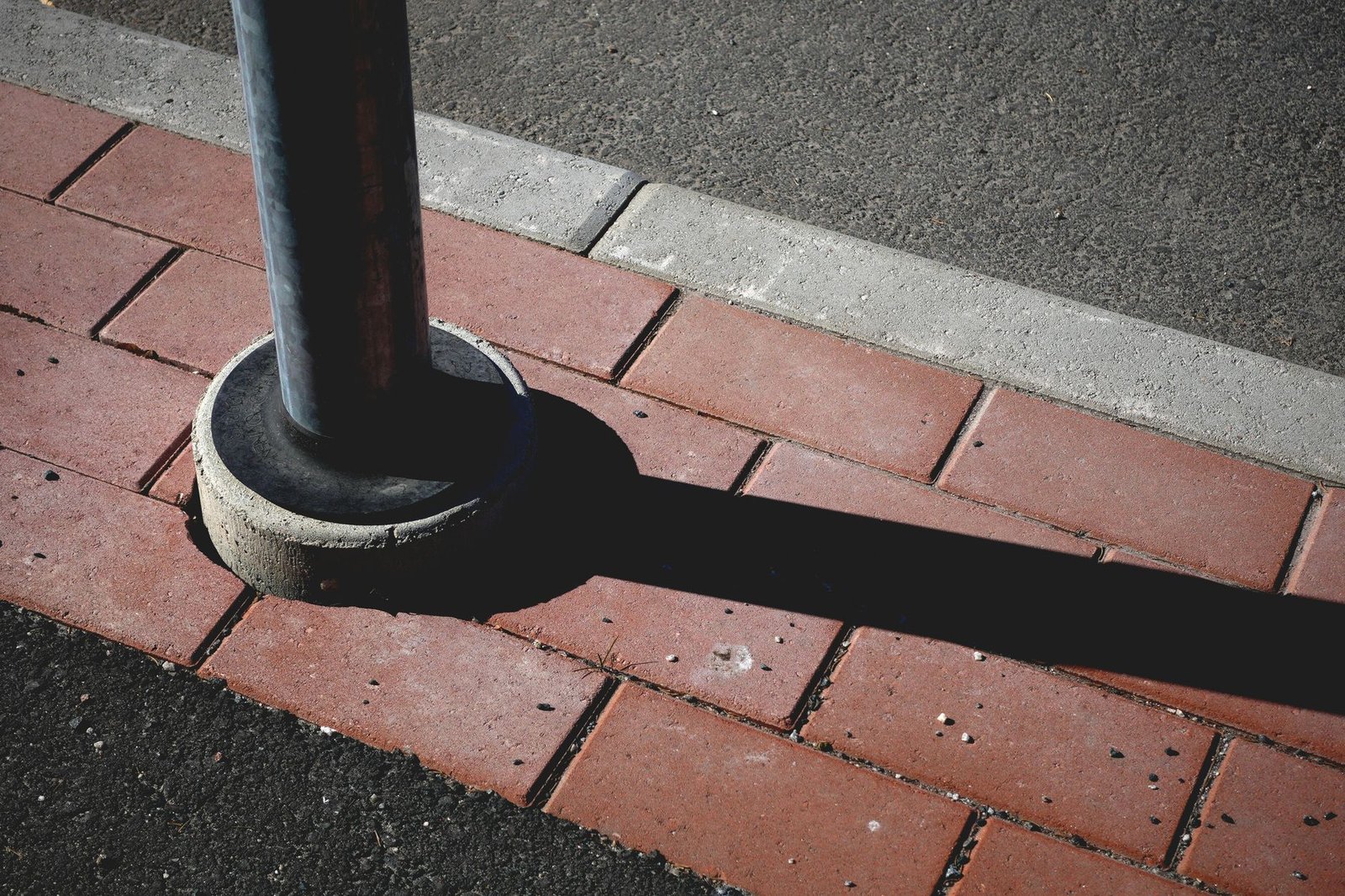
Every post, drain, downspout, tree ring or step inside the patio area needs cut pavers around it. Each one can ruin several units while you get the cut right. Posts never move to suit the pattern. Add a few percent for a patio with lots of obstacles, even when the pattern itself is simple.
Worked example: how many pavers do I need for an L-shaped patio?
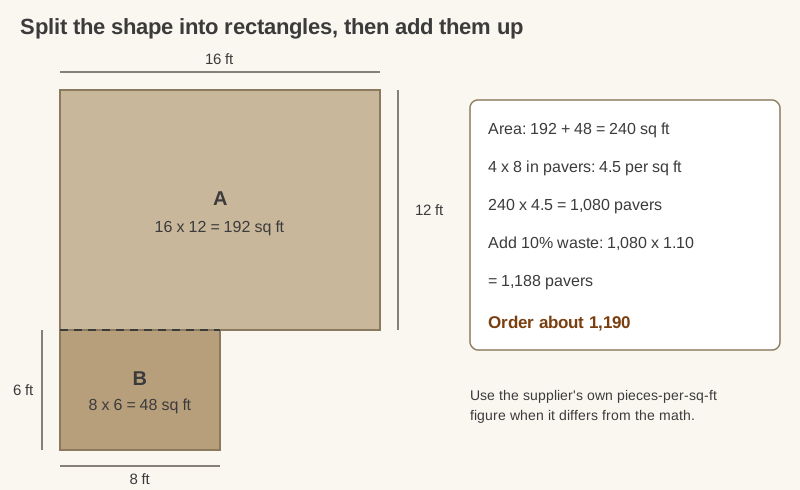
Take an L-shaped patio laid in 4 x 8 inch pavers in running bond:
- Split the shape. Rectangle A is 16 x 12 ft = 192 sq ft. Rectangle B is 8 x 6 ft = 48 sq ft.
- Add them. 192 + 48 = 240 sq ft.
- Multiply by pavers per sq ft. 240 x 4.5 = 1,080 pavers.
- Add waste. A running bond with one inside corner needs about 10%: 1,080 x 1.10 = 1,188. Order about 1,190.
In herringbone, the same patio would need about 20% extra: 1,080 x 1.20 = 1,296, or about 1,300 pavers.
Borders are counted separately
A soldier or sailor course around the edge uses different pavers, or the same pavers turned a different way, so count it on its own.
- Measure the perimeter that gets a border, in feet. On the L-shaped patio above, the full outside perimeter is 68 feet.
- Work out how many pavers fit per foot of edge. In a soldier course of 4 x 8 pavers, the 4-inch side runs along the edge, so there are 3 per foot. In a sailor course, the 8-inch side runs along the edge, so there are 1.5 per foot.
- Multiply and add 10%. 68 x 3 = 204 soldier pavers, plus 10% = about 225.
- Take the border strip out of the field area. An 8-inch-wide soldier border covers roughly 68 x 0.67 = 45 sq ft, so the field drops from 240 to about 195 sq ft. That is 195 x 4.5 = 878 field pavers, plus waste.
Our paver border guide covers the border styles and how to lay them.
Multi-piece patterns and kits
Three-piece and random-pattern pavers are sold by the square foot, not by the piece. The manufacturer packs the sizes in the right ratio in each layer or bundle, so you don't count each size.
- Order the total square footage plus the waste factor.
- Mix pavers from several bundles as you lay, so color variation spreads evenly.
- Round up to full bundles or layers.
Inch Calculator's paver calculator includes a separate method for multi-piece patterns if you want to check the ratio yourself.
Convert the count into pallets and base material
Suppliers sell by the pallet, and coverage depends on paver size and thickness. Divide your square footage (including waste) by the pallet coverage your supplier quotes, then round up. If you are a few square feet over a full pallet, ask whether they sell partial pallets or loose layers. Our guide to a pallet of pavers explains how coverage and weight vary.
Pavers are only part of the order, and here's my one strong opinion: they're the easy part to count. The stone under them does the structural work, so give it the same care on the calculator. On well-drained soil, ICPI Tech Spec 2 wants a 4-inch compacted base under a patio, 6 to 8 inches where the soil is wet, weak or freezes, then a loose inch of ASTM C33 bedding sand. The base is by far the heaviest item on the order, so estimate its tonnage at the same time.
Measure twice and round up, not down
The count comes down to four steps: area, pavers per square foot, waste, and borders counted separately. When a number lands between two options, round up. Running short means a second delivery fee and a possible color mismatch. A few spare pavers behind the shed are the cheapest insurance a patio can have, and the only kind that doubles as a doorstop.
FAQ
How many pavers do I need for a 10×10 patio?
A 10 x 10 patio is 100 square feet. With 4 x 8 inch pavers, that is 450 pavers, or about 495 with 10% extra. With 12 x 12 pavers, it is 100 pavers, or 110 with 10% extra. With 16 x 16 pavers, it is 56 pavers, or about 62 with extra.
How many 12×12 pavers do I need for 100 square feet?
You need 100, because each 12 x 12 paver covers 1 square foot. Order 105 to 110 to allow for cuts and breakage, and more for a diagonal layout.
How many 16×16 pavers do I need for a 12×12 patio?
A 12 x 12 foot patio is 144 square feet. Each 16 x 16 inch paver covers about 1.78 square feet, so you need about 81 pavers. Add 10% and order about 90.
Do diagonal patterns need more pavers?
Not for the field itself. The difference is at the edges, where almost every paver is cut on an angle. That is why diagonal and herringbone layouts need 15 to 20% extra instead of 5 to 10%.
Should I count the joints when calculating pavers?
For standard pavers with 1/16 to 1/8 inch joints, the effect is small, and the waste factor covers it. When the supplier lists coverage per square foot or per pallet, use that figure, because it already includes the joints.