Last Updated on September 23, 2026 by Umar Farooq
Bullet stone edging is a precast concrete landscape edger, usually 4 inches wide, 4 inches tall and about 12 1/4 inches long, with a rounded "bullet" nose on one end. Despite the name, it is the least aggressive product in the garden center. That nose lets each unit pivot against the next, so a row bends around beds, trees and walkways without any cutting. Set them in a shallow trench on 3 to 4 inches of compacted gravel, with the tops about 1/2 inch above the lawn soil, and they will hold a mulch or rock bed in place for years.
What bullet edging stones are for
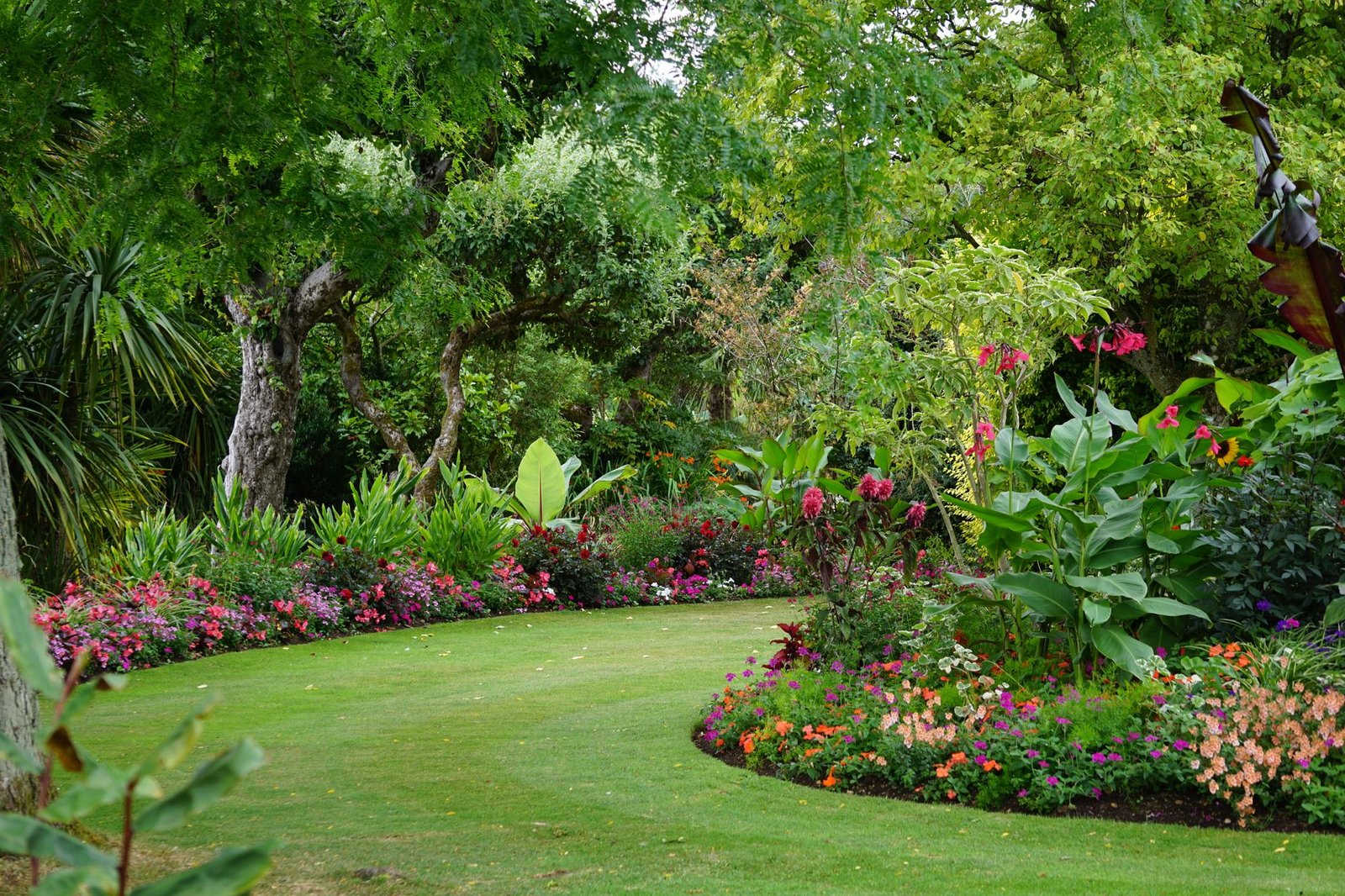
Bullet edgers are landscape edging, not a structural paver restraint. Their job is to keep mulch and decorative rock in the bed, keep turf out, and give the mower a clean line to follow. I read the maker's page, not the retailer copies. Rochester Concrete Products, which makes the Bullet Edger, describes it as separating "landscape rock and mulch from turf", and notes that the segmental units move with frost heave rather than cracking the way poured curbing can.
They suit flower beds, shrub borders, tree rings and gravel paths, not the edge of a sand-set paver patio or driveway, which takes sideways force from traffic and needs a spiked restraint or concrete toe. Our paver edging guide covers those restraints.
Sizes, colors and how many to buy
Most bullet concrete edging sold in the US uses the same 4 × 12.25 × 4 inch format. The Rochester Bullet Edger spec sheet lists:
| Spec | Value |
|---|---|
| Size | 4 in wide × 12.25 in long × 4 in high |
| Coverage | 0.9375 linear ft per unit |
| Weight | 14 lb each |
| Pallet | 180 units, 168.75 linear ft |
| Colors | Beechwood, Carmel, Charcoal, Natural, Wheat |
Each nose overlaps the unit in front, so divide your edge length in feet by 0.9375. A 60-foot bed border needs 64 units; add a few spares for breakage. Don't buy a whole pallet unless you have 168 feet of bed, which is a lot of bed. Big-box Interlock Bullet units share the size but may ship on smaller pallets. To measure a curve, lay a hose along it, then straighten the hose against a tape.
Installing bullet stone edging in six steps
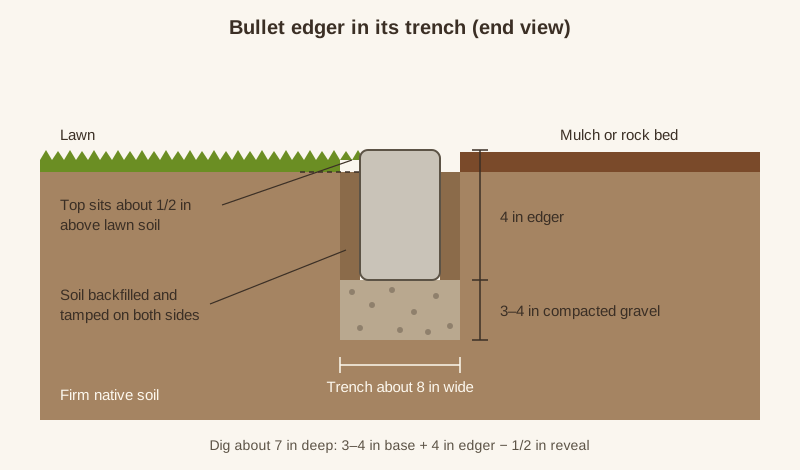
The trench is the whole job. Skip the gravel and the edgers tilt and sink, especially on clay.
- Mark the line. Use string and stakes for straight runs, a hose or marking paint for curves.
- Dig the trench. Make it about 8 inches wide and about 7 inches deep: 3 to 4 inches of base, plus the 4 inch edger, minus the 1/2 inch that sits proud. Cut the lawn side with a flat spade.
- Add and compact the base. Spread crushed stone with fines (road base, crusher run, CA6), dampen it and tamp it hard with a hand tamper. Skip the plate compactor rental: an 8-inch trench is narrower than most plates, and 3 to 4 inches is thin enough to hand-tamp. Engineer Fix's bullet edging walkthrough calls for a 3 to 4 inch compacted base for the same reason.
- Set the units. Start at a fixed point such as a walk or the house, and work outward. Seat each unit nose-first against the last, then tap it down with a rubber mallet until it matches the string line.
- Check level every few units. Lay a 2 to 4 foot level across the tops. Add or scrape base, never loose soil, to adjust height.
- Backfill both sides. Pack soil against the lawn side and tamp it, then fill the bed side with soil and mulch. Firm backfill is what stops the row leaning.
The 1/2 inch reveal matters. Any lower and grass creeps over the top; much higher and the mower wheel can't ride along it. Grass has one move, and it is going over the top.
Bending bullet edging around curves and trees
This is what the shape is for. The rounded nose turns every joint into a hinge.
- Gentle curves: just swing each unit a few degrees as you set it. A small wedge-shaped gap opens on the outside of the curve.
- Tight curves and tree rings: the tighter the radius, the wider the outside gaps. Soil and mulch hide small ones; if they get distracting, widen the ring rather than forcing the units.
- Around trees: make the ring generous so the trench misses surface roots, which can lift a row.
- Joining a walk or driveway: butt the last unit tight against the hard surface, and cut it with a masonry blade if it overruns.
Lay a whole curve loose before tapping anything down.
Bullet edgers compared with other bed edging
| Edging | Curves | Holds up to mower and frost | DIY effort |
|---|---|---|---|
| Bullet stone edging | Excellent, no cuts | Good; moves with frost as separate units | Moderate (trench and gravel) |
| Straight concrete edging blocks | Needs cuts on tight curves | Good | Moderate |
| Plastic landscape edging | Easy | Can heave and kink | Low |
| Poured concrete curbing | Excellent | Can crack; repairs show | Hired machine |
For a flat mowing strip the mower wheels can ride on, lay pavers flat instead; see paver edging stones.
Gravel under, half an inch proud, nose leading the curve
Bullet stone edging succeeds or fails on three details: a compacted gravel base, tops about 1/2 inch above the lawn, and firm backfill on both sides. Get those right, let the noses do the bending, and save your back for carrying the 14-pound units, which is the real workout here.
FAQ
Do bullet edgers need gravel underneath?
Yes. Set on soil alone, they tip and settle, especially on clay. Use 3 to 4 inches of crushed stone, compacted.
How many bullet edging stones do I need per foot?
Each 12.25 inch unit covers about 0.94 linear feet once the noses overlap. Divide your total length in feet by 0.9375 and round up, then add a few spares.
Can you use bullet edging for a paver patio?
As a decorative border, yes, but it shouldn't be the only thing holding the pavers. Install a proper edge restraint or a concrete toe behind or under the border as well.
Do bullet edgers need mortar or concrete?
Not in a garden bed; compacted gravel and tamped backfill hold them. A concrete haunch on the back helps beside a driveway.