Last Updated on September 23, 2026 by Umar Farooq
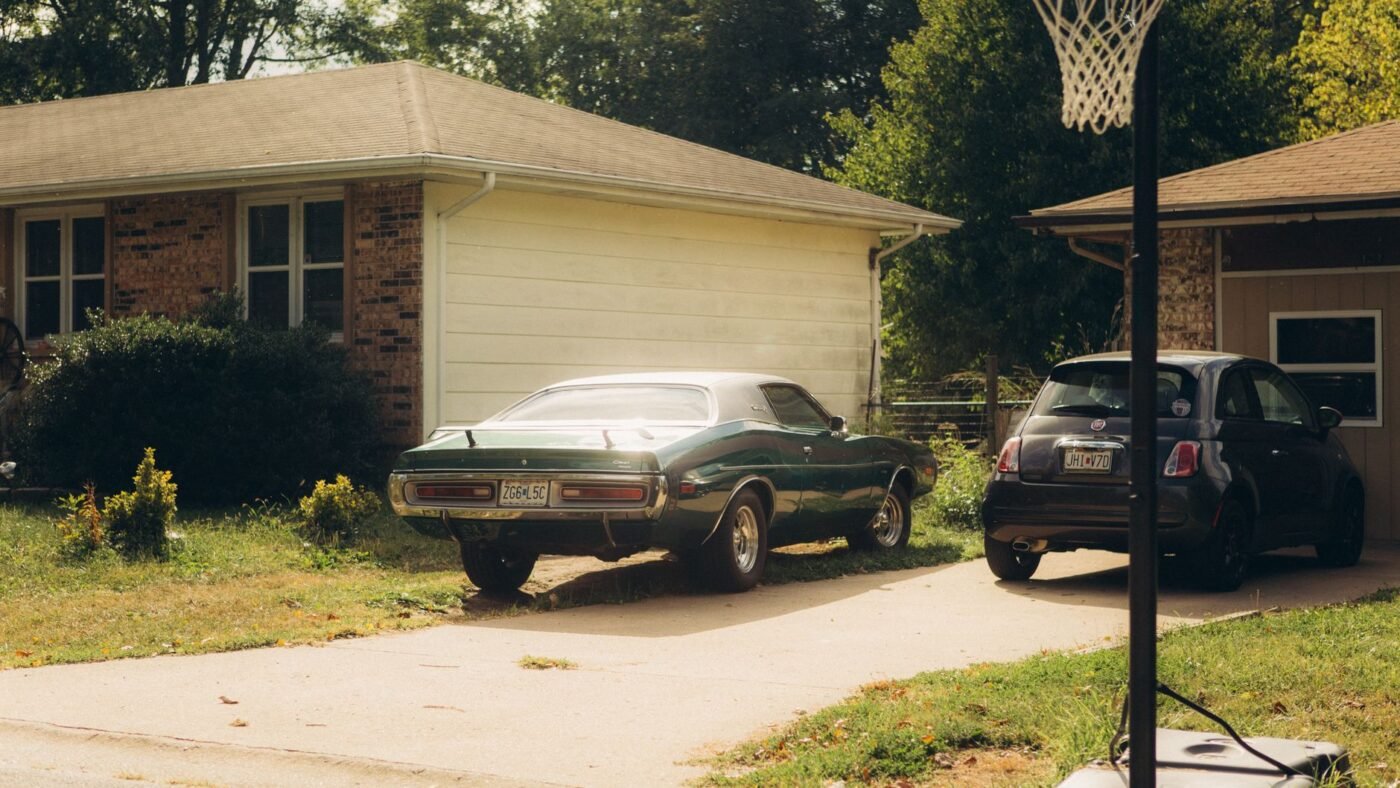
A driveway paver extension widens or lengthens an existing concrete or asphalt driveway with interlocking pavers, usually because a second car has been parking on the lawn and the lawn has started to show it. It's built like a new paver driveway: dig to firm soil, compact a full-depth gravel base, add an inch of loose C33 concrete sand, lay pavers rated for vehicles, and pin the outer edge with a restraint. Where the new pavers meet the old slab, the slab edge holds that side in place. Check setbacks and permit rules before you dig. Most failed extensions I read about trace back to a thin base or an ignored permit.
Permits and setbacks for a driveway paver extension
Widening a driveway changes how much of the lot sheds water, so towns regulate it with real enthusiasm. Unilock's guide on widening a driveway with pavers warns that skipping the permit can mean fines or having to remove the work.
Check these before you settle on a size:
- Side-yard setbacks. Many zoning codes keep driveways a set distance from the property line.
- Curb cut width. A wider curb cut is controlled by public works.
- Impervious coverage limits. Some towns count pavers as hard surface. A permeable paver extension may be treated more favorably, so ask.
- HOA rules on width, color and front-yard parking.
- Utilities. Call 811 a few days before digging. Water and gas lines often run close to the driveway.
How wide to make the extension
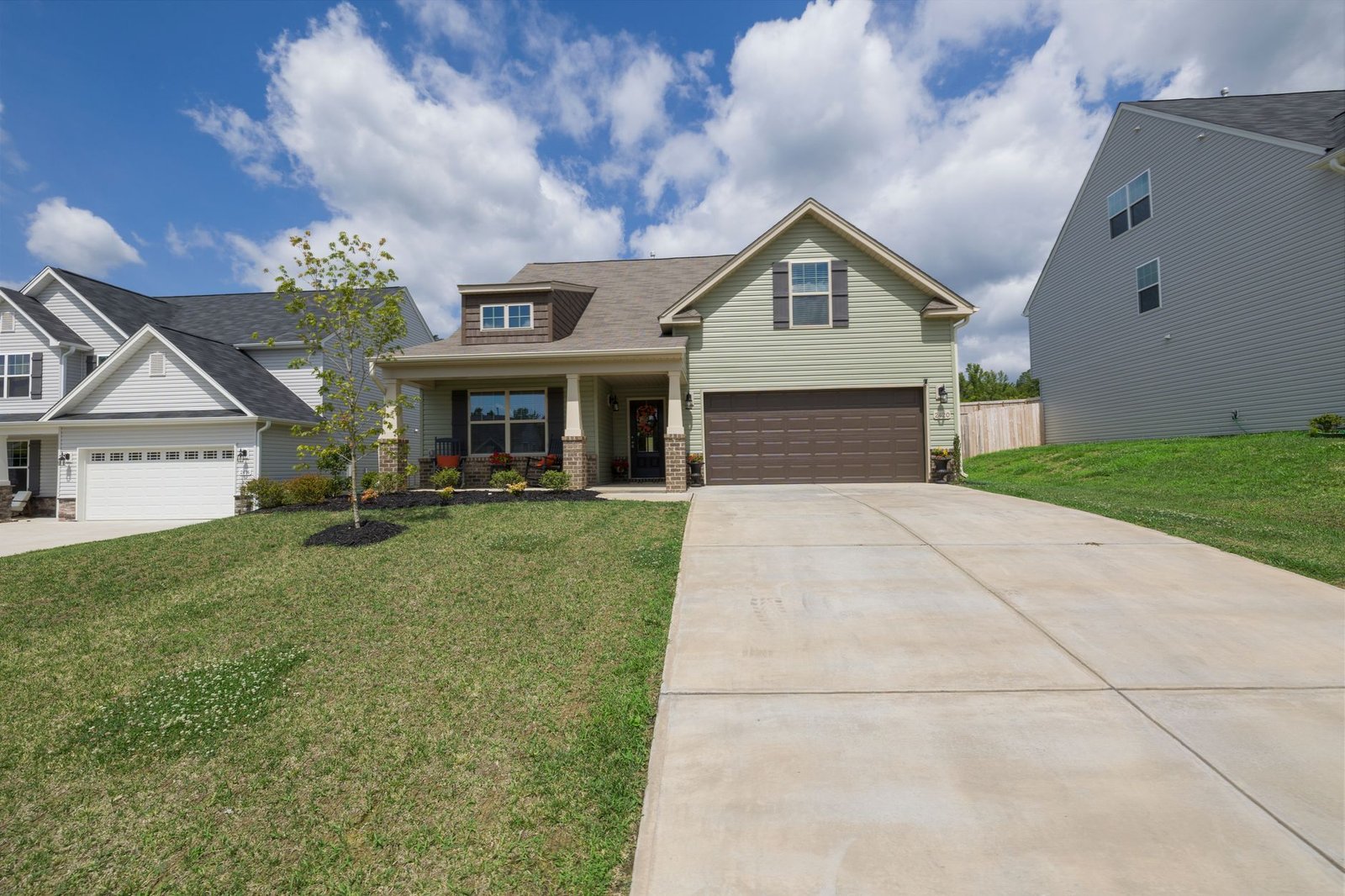
A standard parking space is about 9 feet wide by 18 feet deep, so adding one car beside a single-car driveway means adding at least 9 to 10 feet. Leave room to open doors without stepping onto the lawn (the lawn you are building this to protect).
Common layouts:
- One side. The simplest and usually cheapest option. Put it on the side with the best drainage and the fewest trees.
- Both sides. Keeps the drive centered, but doubles the edge work.
- A flare at the street. Widening only the last 10 to 15 feet makes backing out and turning easier.
- A parking pad or turnaround. A paved spot off to the side keeps a second car or trailer off the main drive.
Build the base as deep as a new driveway
The extension carries the same cars, so it needs the same structure. Tires don't check which half of the driveway they're on.
- Dig wider than the paved area. Hunker's driveway extension steps call for excavating 6 to 8 inches past the finished edge so the edge restraint sits on compacted stone.
- Go to driveway depth. Hunker uses 6 inches of crushed rock, which matches ICPI Tech Spec 2's minimum for driveways on well-drained soil. Clay, frost and poor drainage add 2 to 4 inches more. Our paver driveway installation guide sets base depth by soil type.
- Compact in lifts, damp, with overlapping passes. ICPI sizes its 4-to-6-inch lifts for a 7,000 lbf plate; a typical rental plate is smaller, so keep lifts nearer 3 to 4 inches.
- Use pavers at least 2 3/8 inches (60 mm) thick, or 3 1/8 inches (80 mm) if trucks will park there.
Where the new pavers meet the old slab
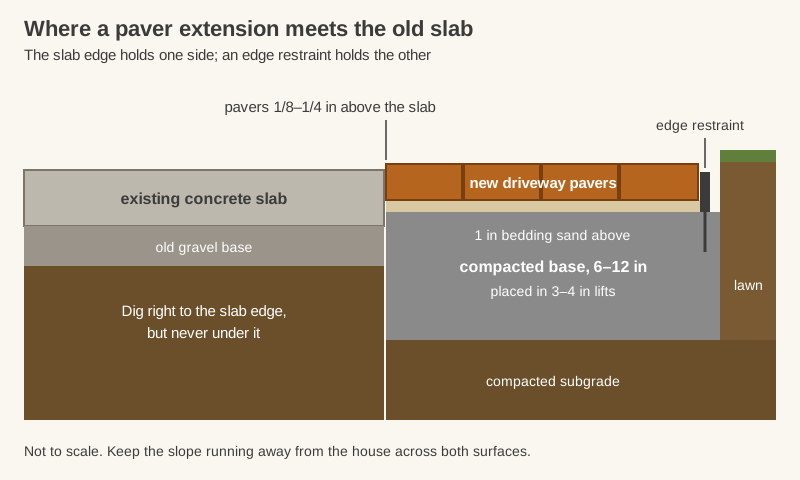
I read three extension guides back to back, and the one thing they all fuss over is the join. Fair enough:
- Expose a sound edge. Dig along the slab to the bottom of its base, not under it. An undercut slab edge can crack under a tire.
- Clean up an asphalt edge. Saw-cut ragged asphalt back to a straight, solid line. Asphalt edges crumble, so a paver border band or a concrete haunch along the seam helps.
- Set the pavers slightly high. Screed so the compacted pavers finish 1/8 to 1/4 inch above the slab. They settle to flush under traffic.
- Keep the slope running. Match the pitch of the existing driveway so water crosses the seam instead of pooling along it. Western Interlock's extension tips aim for 1 to 2% fall away from the house and garage; ICPI's minimum is 1.5%.
- Restrain the outer edge. Spike a heavy-duty edge restraint along the lawn side, or pour a concrete curb or haunch there. Without it, tires push the outer rows out into the grass.
Matching the driveway you already have
New concrete pavers won't match an aged gray slab, and trying to match one is a hobby with no finish line. The extensions that look planned use a contrast on purpose:
- a paver color that picks up the house trim or roof rather than the slab
- a soldier-course band of a darker paver between the slab and the new field, which also hides the seam (see driveway border pavers)
- the same paver carried onto a walkway
Extension cost tracks full driveway cost
A driveway paver extension costs about the same per square foot as a new paver driveway: same base, edge and labor, with setup and cutting a larger share of a small job. Small job, same excavator. Our paver driveway cost breakdown covers published ranges and what drives them.
Treat the extension as driveway, not patio
My one firm opinion here: this strip is a gravel project with pavers on top. The pavers only spread a tire's load while the stone underneath carries it, which is why a 6-inch compacted base goes under the extension even if the patio out back got by on 4. Check the permit, set the pavers a fraction high, and restrain the outside edge. Then park the second car on it, and let the lawn grow back.
FAQ
Can you extend a concrete driveway with pavers?
Yes. Dig along the slab to firm soil without undercutting it, build a driveway-depth compacted base, and finish the pavers 1/8 to 1/4 inch above the concrete. The slab edge acts as the restraint on that side.
Do I need a permit to widen my driveway with pavers?
Often, yes, especially if it widens the curb cut, nears a property line or adds impervious coverage. Call your building or zoning office before you order materials.
How wide should a driveway extension be for one car?
Add at least 9 to 10 feet for one extra parking space, more if people need room to open doors. A standard parking stall is about 9 by 18 feet.
Can you extend an asphalt driveway with pavers?
Yes. Saw-cut the asphalt edge straight, compact the base under the new pavers to the same depth as the asphalt's base, and add a border band or concrete haunch along the seam, because asphalt edges crumble over time.