Last Updated on September 23, 2026 by Umar Farooq
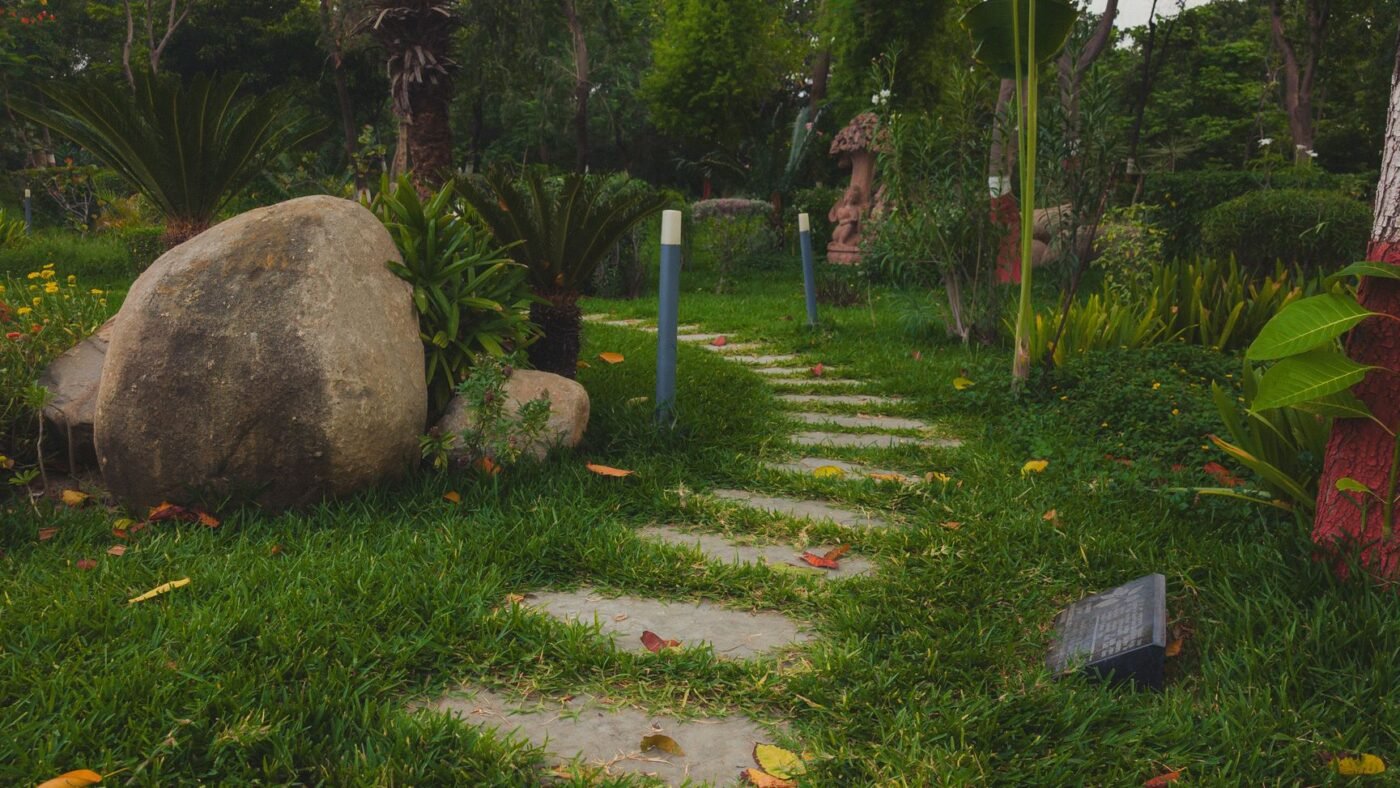
Here is how to lay stepping stones in a lawn: space them about 24 inches center to center, cut the sod around each one, dig a hole 1 inch deeper than the stone is thick, add 1 inch of coarse sand, then tap the stone down until its top sits level with the soil. Most stepping stones I see in photos are sitting on the grass like coasters, which is why they rock by June.
Six steps, no machine:
- Choose flat stones at least 1.5 inches thick.
- Lay them out on the lawn at stride spacing.
- Cut the sod around each stone and dig the hole.
- Add 1 inch of coarse sand and level it.
- Set and tap each stone flush with the soil.
- Backfill the edges and reseed.
Picking stones that won't rock or crack
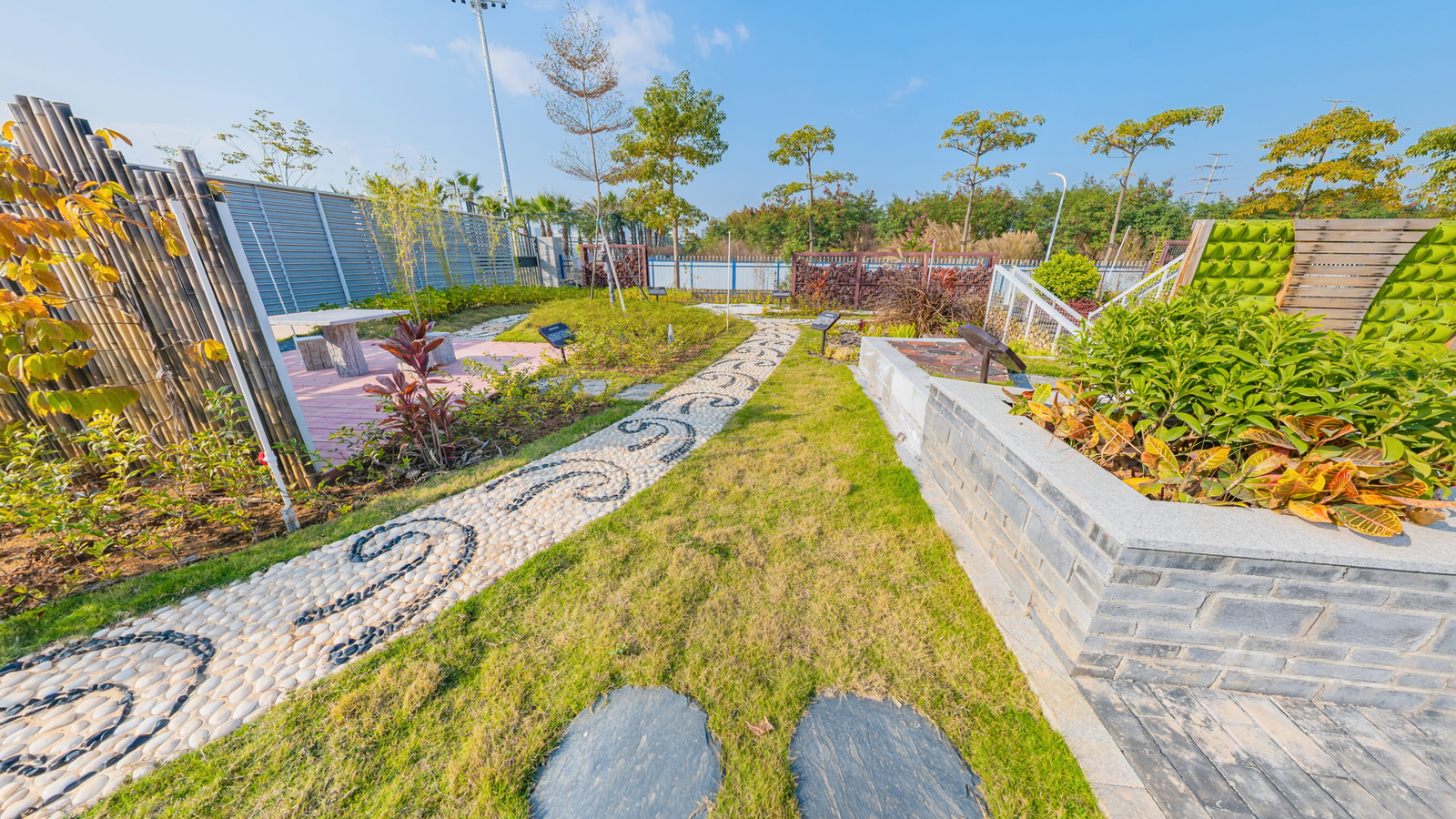
Choose stones 1.5 to 2 inches thick and 16 to 24 inches across. Thinner ones crack when someone steps on an edge, and anything smaller than a size 12 boot turns the path into a balance test nobody signed up for.
- Precast concrete rounds or squares: cheap, uniform thickness, easy to set level.
- Flagstone: looks natural, but thickness varies, so dig each hole to suit its stone.
- Concrete pavers: a 16 x 16 inch paver makes a neat, modern stepper.
Flat bottoms matter more than looks; a humped stone seesaws.
Stride spacing: 24 inches center to center
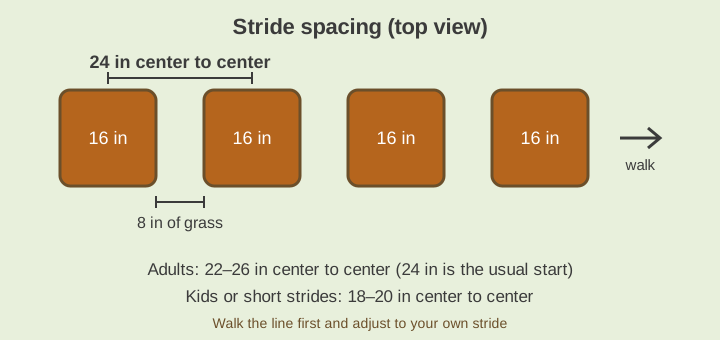
Measure center to center, not the gap. An adult stride works at 22 to 26 inches, so start at 24. Paths used mostly by kids work better at 18 to 20 inches.
Lay every stone on the grass, then walk the line at a normal pace and nudge any stone your foot misses. Keep them in a gentle curve, with room for the mower beside beds and fences.
Cutting the sod and digging each hole
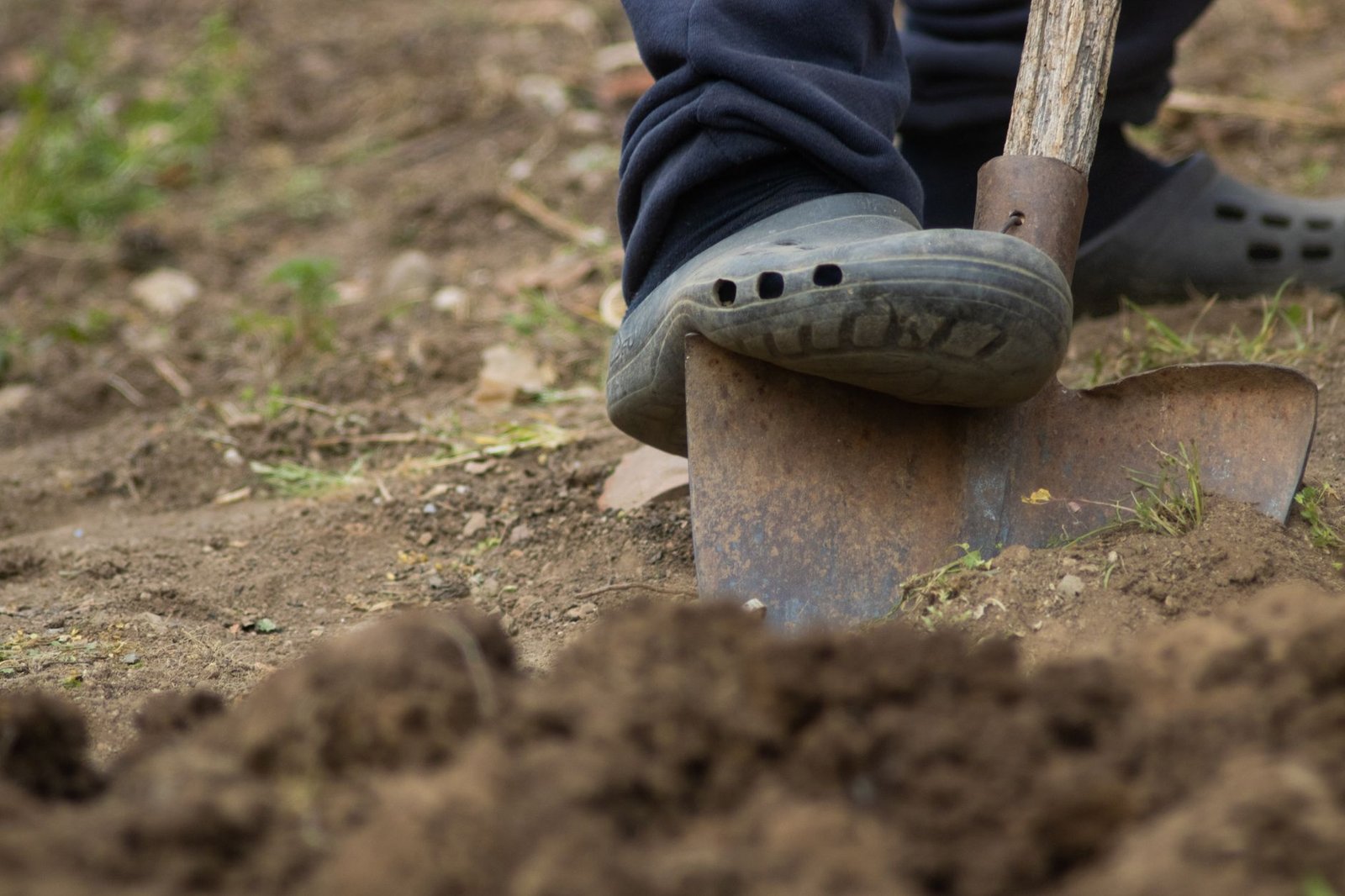
Push a flat spade straight down around each stone to score the outline, then tip the stone aside and lift the sod. Cut tight to avoid a ring of loose soil.
Dig to the stone's thickness plus 1 inch. A 2-inch stone needs a 3-inch hole. Scrape the bottom flat and firm it with the end of a 4×4 or a hand tamper, because loose soil settles later. Skip the plate compactor: each stone carries one footstep at a time.
How to lay stepping stones at the right depth
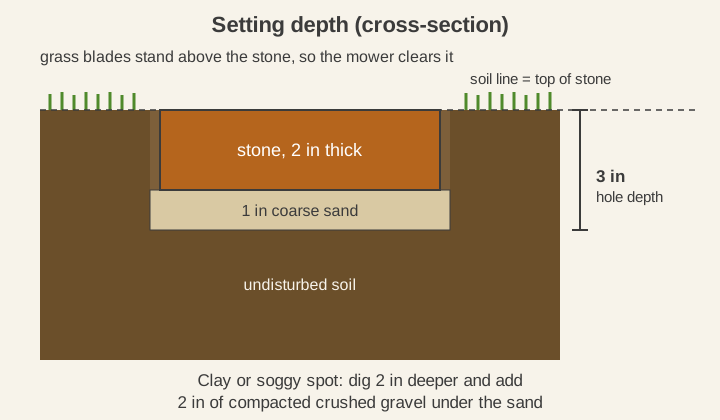
Spread 1 inch of coarse concrete sand in the hole and level it with a scrap of board. Coarse sand drains and locks together; fine play sand stays loose, which is lovely in a sandbox and less lovely under a stone. See our guide to sand for pavers for which bags to buy.
Set the stone and tap it with a rubber mallet, checking with a short level. The top should finish level with the soil, which puts it about half an inch below the grass. Rock it with your foot; if it moves, lift it and adjust the sand.
On heavy clay, a soggy low spot or uneven ground, dig 2 inches deeper and put 2 inches of compacted crushed gravel under the sand. The gravel drains, so the stone doesn't heave in a freeze. If you're tempted to skip the bed entirely, read when laying pavers on dirt works first.
Mowing over the stones instead of around them
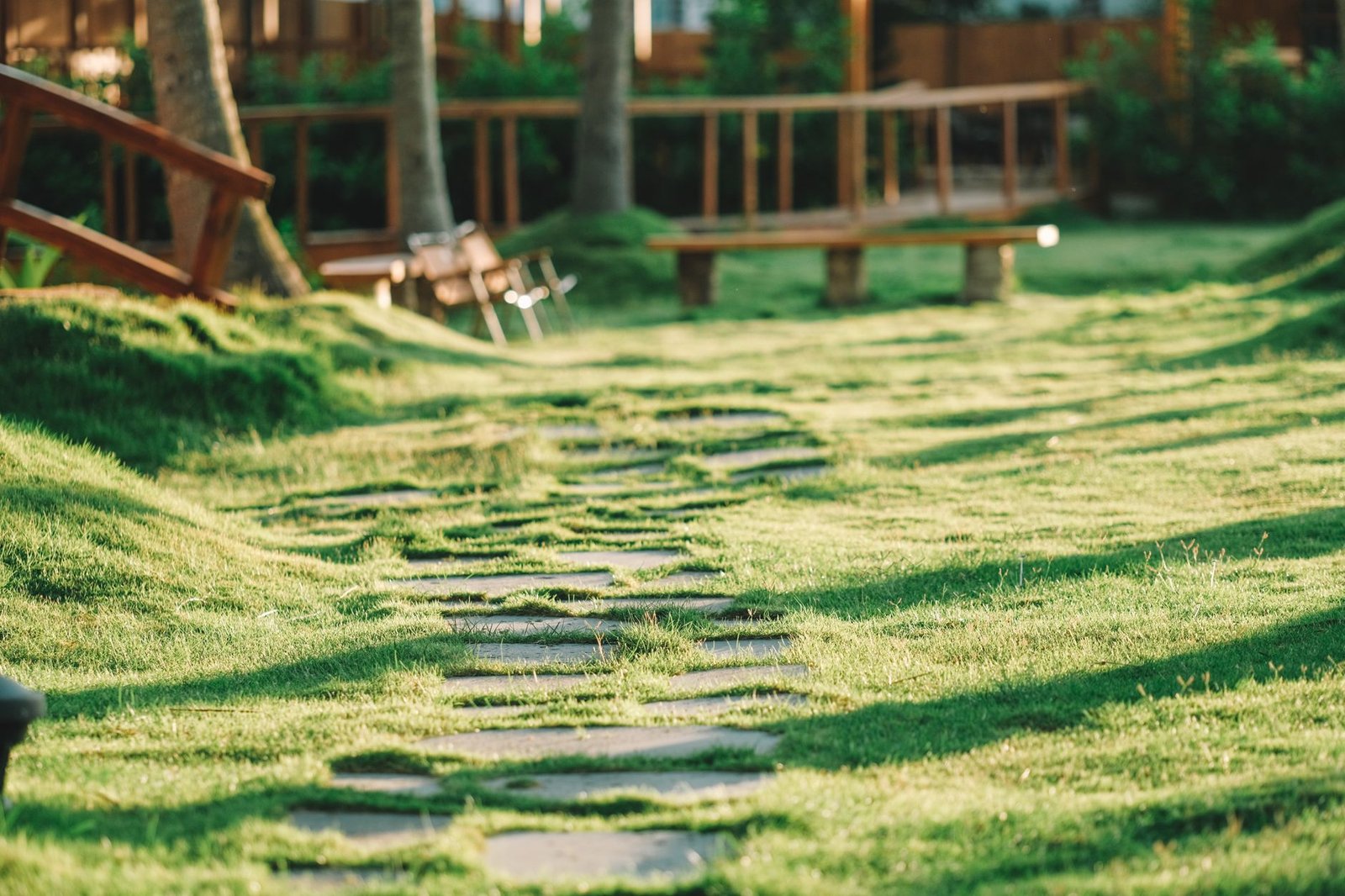
Set flush, stones never need trimming around. I checked University of Illinois Extension for mowing heights, and most cool-season lawns are cut at 2.5 to 3.5 inches, so the blade passes well above a stone at soil level.
Finish by brushing soil into the gaps and pressing it in. Seed bare patches and keep them damp for two weeks. For a gravel path with stepping stones, use the same setting depth and fill between them with gravel over landscape fabric.
Walking through the lawn, not across it
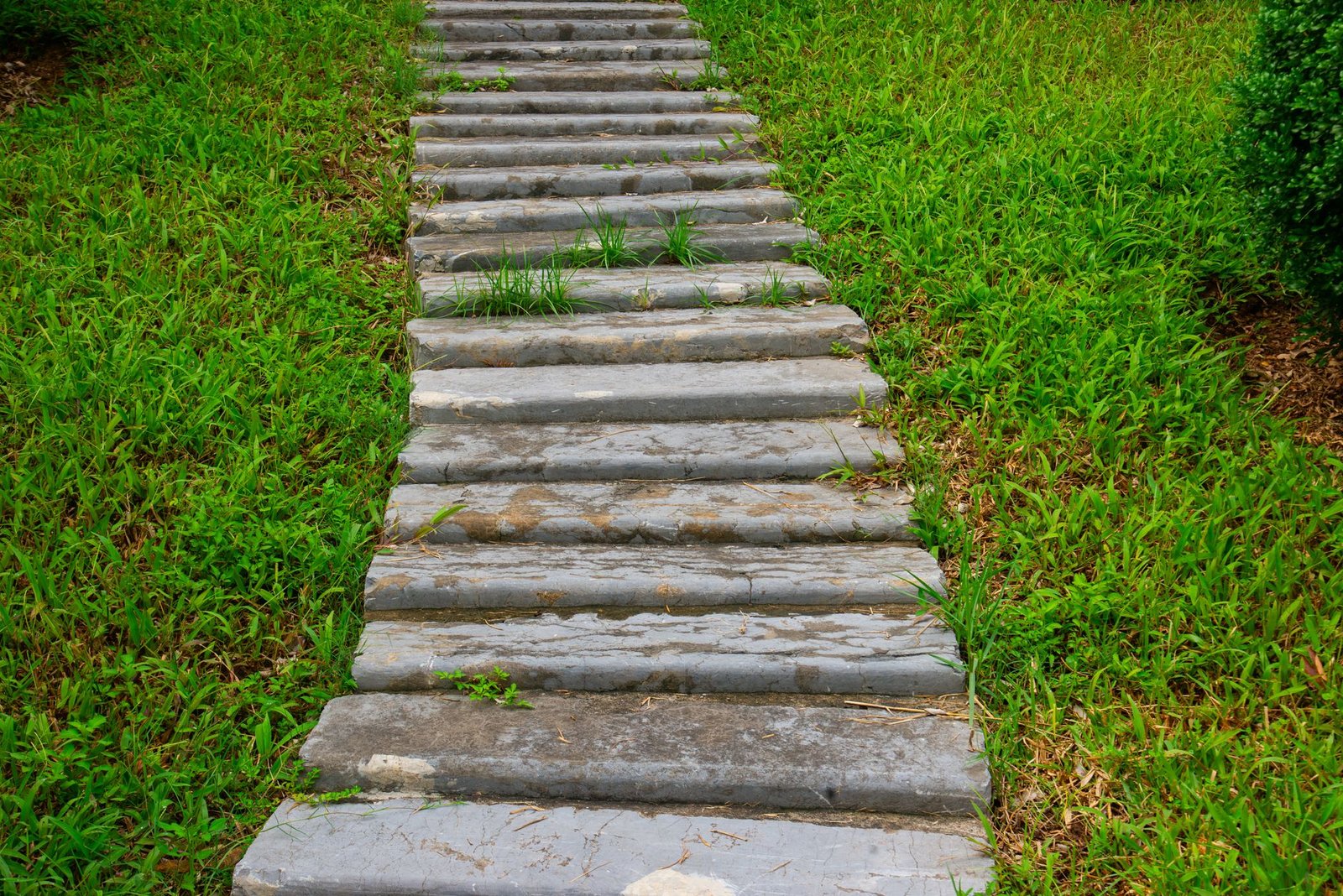
A stepping stone path is for light foot traffic. A wheelbarrow on stepping stones is a comedy act, so for that or a main entry, use a continuous surface. Our paver walkway installation guide covers a full base, edging and joints. Nicolock's stepping stone guide shows several layouts.
Bed them in, don't just drop them on the grass
Stones placed on turf shift, sink unevenly and kill the grass underneath. Cutting the sod, adding an inch of sand and setting each stone flush is the difference between a path that stays put and one you re-level every spring. That's how to lay stepping stones once, and then mow straight over them feeling slightly smug.
FAQ
Can you lay stepping stones directly on grass?
You can, but they won't stay. Grass dies under the stone, the soil softens, and the stone tilts and sinks within a season.
Do you need sand under stepping stones?
Yes. An inch of coarse sand lets you level the stone, fills the gaps under an uneven bottom and drains water away. Without it, stones rock on high spots in the soil.
How far apart should stepping stones be?
About 24 inches center to center for adults, which leaves roughly 8 inches of grass between 16-inch stones. Use 18 to 20 inches for children and walk the line before digging.
How do you lay stepping stones on a slope?
Set each stone level side to side and follow the slope front to back. On anything steeper than a gentle grade, dig each stone slightly into the hill so its downhill edge doesn't stick out. Steep banks need real steps, not stepping stones.