Last Updated on September 23, 2026 by Umar Farooq
Polymeric sand haze is a thin, cloudy film of polymer binder and fine dust that has set on the face of the pavers instead of inside the joints. It happens when dust is left on the surface, or the pavers are damp, when the sand is watered in. To remove polymeric sand haze, start with hot water and a stiff nylon brush while the haze is fresh. If that fails, use a dedicated polymeric sand haze remover (an acidic cleaner made for pavers), following the label and rinsing well. Pressure alone rarely cuts it, and a stronger jet mostly damages the joints. It is the one stain on a patio that you installed yourself, on purpose, with a broom.
To avoid haze in the first place, see our guide on how to apply polymeric sand.
What polymeric sand haze looks like, and what it isn't
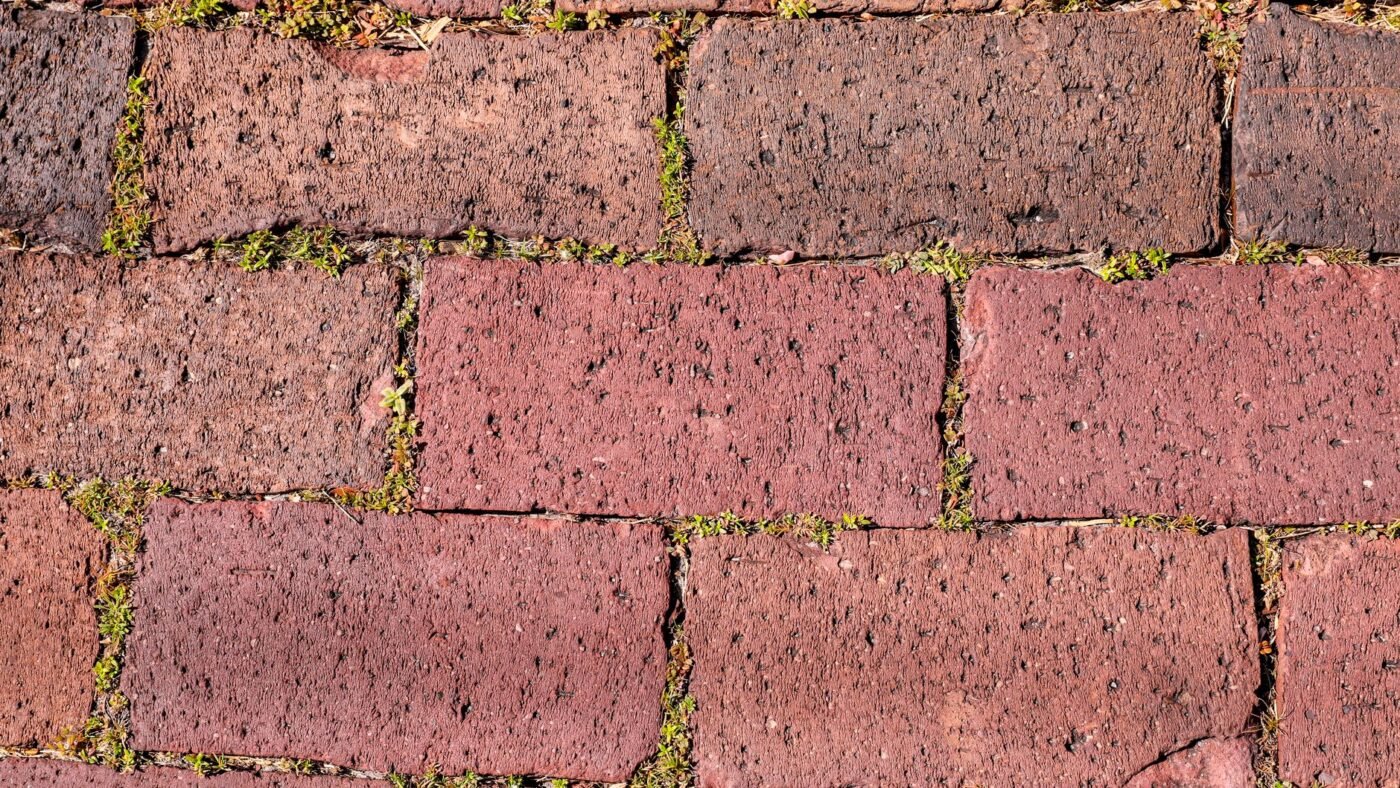
Poly sand haze shows up within a day or two of installing the joints. The pavers look dull, milky or chalky, worst beside the joints and in low spots where water sat. Rub it with a wet finger and nothing comes off. It is bonded, not loose, and it is not going to take the hint.
Two other things get mistaken for it:
- Efflorescence is a white, powdery bloom of natural salts carried out of concrete pavers by moisture, often months after installation. It needs an efflorescence cleaner, not a haze remover.
- Loose sand residue is just grains that were never blown off. If a stiff broom clears it, it wasn't haze. (Congratulations, in that case. That's the best outcome on this page.)
The test that separates them: haze follows the joints and the watering pattern and appears right after the sand went in. Efflorescence is patchy, powdery and unrelated to where the joints are.
Three ways dust ends up glued to the paver face
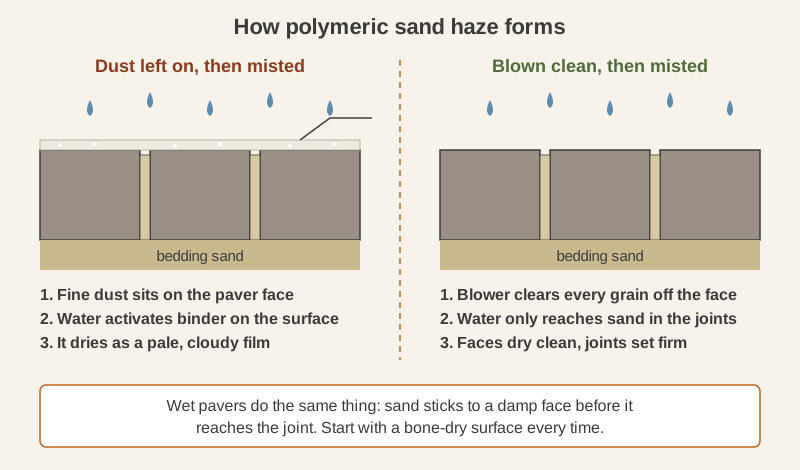
Polymeric sand is fine sand mixed with a dry binder that sets wherever water activates it, joint or paver face. The binder has no idea which one you meant. Our explainer on what polymeric sand is covers the chemistry. The causes:
- Dust left on the surface. Sweeping moves the sand but leaves a fine layer of binder-rich dust in the paver texture. Skipping the leaf blower pass before watering is the most common cause. How to Hardscape's polymeric sand problem guide points to exactly this.
- Damp pavers. If the surface is wet from dew, rain or a recent wash, sand sticks to it on the way to the joint and activates right there.
- Too much water, too fast. A heavy spray floats binder out of the top of the joints and spreads it across the pavers, where it dries as a film. Puddles leave the worst patches.
Textured, porous and dark pavers show haze the most, because dust sits in the texture and a pale film shows on a dark face.
Try hot water and a brush in the first week
Fresh haze is at its weakest before the binder has fully cured. How to Hardscape notes that warm to hot water reactivates the polymers, which is why hot water works on young haze when cold water does not.
For a small area:
- Heat water to near boiling and pour it over a few square feet at a time.
- Scrub straight away with a stiff nylon brush or deck brush, working diagonally across the joints, not along them.
- Rinse gently with a garden hose and let the area dry fully before judging it. Wet pavers hide haze.
For larger areas, a hot-water pressure washer with a rotary surface cleaner does the same job faster; a cold-water machine at high pressure does not. Never aim the jet into a fresh joint.
If the film is still there after two rounds, move on to a cleaner.
Choosing a polymeric sand haze remover
A polymeric sand haze remover is a buffered acidic cleaner made to dissolve the thin binder and cement film on masonry without etching the paver as much as raw acid would. Techniseal's Slurry Remover, for example, is listed for cement slurry and polymeric sand haze on concrete or clay pavers and slabs. The published coverage is up to 600 square feet per gallon of concentrate, depending on dilution. I read a stack of cleaner labels for this, and plenty say "masonry" without saying "polymeric haze." Buy one that names it.
How to remove polymeric sand haze with one of these cleaners:
- Let the joints finish setting. Follow the sand bag's cure time and the cleaner label.
- Test a hidden spot first. Acid can lighten or darken some pavers.
- Pre-wet the pavers and water nearby plants, then cover them. Wet pavers keep the cleaner on the film instead of soaking in.
- Apply at the label dilution, in sections you can finish before the product dries.
- Agitate with a stiff nylon brush. Never use a wire brush, which scratches concrete and leaves rust marks.
- Rinse thoroughly with plenty of low-pressure water, and don't let the cleaner dry on the surface.
- Let it dry and check. Heavy haze can take a second application.
Wear chemical-resistant gloves and eye protection, and work on a cool, overcast day so the cleaner doesn't dry before you rinse.
Vinegar, muriatic acid and pressure washing: where each stops
White vinegar. A 1:1 mix of vinegar and water, scrubbed in and rinsed, can lift light haze. It is a weak acid, but still an acid. Test it first, and don't let it sit on concrete pavers or natural limestone for long.
Muriatic acid. Diluted hydrochloric acid will remove haze, and it will also etch concrete pavers, expose the aggregate and change the color unevenly. It can damage polymeric sand joints too. Buffered cleaners were invented so you don't have to use it. Keep it off concrete pavers unless the paver manufacturer's care guide specifically allows it.
Pressure washing. A normal fan tip at safe pressure won't cut a bonded film, and raising the pressure or narrowing the tip scars the paver face and blasts out the new joints. Use the pressure washer to rinse after a chemical cleaner, not instead of one. Our guide to power washing pavers covers safe pressure and tip choice.
Clay brick and dark pavers need extra care
Clay pavers are fired, so they are dense and tolerate cleaners well, but many have a smooth face where haze shows as a gray bloom. Use a cleaner whose label lists clay pavers, and rinse thoroughly. Acid left in the joints can mark the brick edges.
Dark charcoal and black concrete pavers show every trace of film. Their color is in the surface layer, so an aggressive cleaner can lighten them. Always test these first and use the weakest option that works.
Haze trapped under a sealer
If someone sealed the patio before the haze was noticed, the film is now under a clear coat, preserved like a museum exhibit, and no cleaner can reach it. The order of work is:
- Strip the sealer with a stripper that is compatible with that sealer type (solvent-based and water-based sealers need different strippers).
- Remove the haze with a haze remover, as above.
- Let the pavers dry completely, then reseal.
Inspect the pavers dry, in daylight, before any sealer goes on. The data sheets give you time to: Techniseal's Natural Look sealer says to wait 30 days after polymeric sand, and Alliance Gator's Wet Look sealer says 60 days after installation. A month is plenty for any haze to show itself.
How to remove polymeric sand from paver joints
Sometimes the problem is the joints themselves: crumbling, cracked, washed out or the wrong color. Old polymeric sand has to come out to full depth before new sand goes in. A thin cap of new sand over old sand crusts over and flakes off within a season.
Tools that work:
- Joint scraper or narrow hook tool for loose or crumbly joints.
- Oscillating multi-tool with a grout-removal blade for joints that are still hard.
- Hot water. It softens hard joints so they scrape out more easily.
- Hot-water pressure washer with a fan tip run along the joints clears a whole patio fastest. How to Hardscape recommends a hot pressure washer and then scraping and vacuuming or blowing out what's left.
How deep to go: clear at least 1 1/2 inches, the minimum joint depth on both the Alliance Gator SuperSand G2 and Techniseal HP NextGel data sheets. Unilock's maintenance advice is to scrape failed sand out to about 1 1/2 to 2 inches so new sand bonds. Stop at the bottom of the paver. Don't dig into the bedding sand underneath, or the pavers will settle.
Before re-sanding: let the pavers and the joints dry completely, usually 24 to 48 hours after washing. Then remove any haze on the faces while the joints are empty, when there's no fresh sand to protect. Refill with new polymeric sand.
Keeping the next joint job haze-free
- Start with pavers that are completely dry.
- Sweep in several directions, then run a leaf blower at a low angle until no dust shows in the paver texture.
- Water with a gentle shower setting in light passes. Don't flood it.
My one firm opinion on haze: the blower prevents it, not the price of the bag. A haze-resistant formula helps on dark pavers, but binder sets wherever water finds it, so dust left on the face films over with any product.
Dissolve the haze, don't blast it
Polymeric sand haze is glued-on binder, not dirt, so force alone won't remove it. Try hot water and a brush while it's fresh, then a buffered haze remover. When the joints have failed, dig the old poly sand out at least 1 1/2 inches deep, let everything dry, and start over. And next time, give the blower one more pass than feels necessary; the pavers will look exactly as clean as you were patient.
FAQ
Will polymeric sand haze go away on its own?
Very light haze can wear down over a season of foot traffic and rain. A visible film usually doesn't, because the binder is designed to stay put outdoors.
Can you pressure wash polymeric sand haze off pavers?
Not with cold water at safe pressure. It rinses loose dust but doesn't cut a bonded film. A hot-water machine with a surface cleaner can help on fresh haze. Otherwise, use a haze remover and pressure wash only to rinse.
Does vinegar remove polymeric sand haze?
It can remove light haze. Mix white vinegar 1:1 with water, scrub with a stiff nylon brush and rinse thoroughly. Test it on a hidden paver first. Heavier haze needs a dedicated polymeric sand haze remover.
Is muriatic acid safe to use on pavers?
Not on concrete pavers. It etches the surface, exposes the aggregate and can change the color unevenly. Buffered paver cleaners do the same job with far less risk.
Can you seal over polymeric sand haze?
You can, but you shouldn't. The sealer locks the haze in and often makes it look worse, and the only way to fix it afterward is to strip the sealer, clean and reseal. Remove the haze and let the pavers dry fully before sealing.
How do I remove polymeric sand from pavers without damaging them?
For sand on the paver faces, use hot water and a stiff nylon brush, then a haze remover if needed. For old joint sand, soften it with hot water and scrape it out, or use a hot-water pressure washer with a fan tip, stopping at the bottom of the paver.