

Last Updated on October 20, 2026 by Umar Farooq
Reclaimed pavers are paving units salvaged from old streets, buildings, yards and patios, then cleaned and resold: mostly antique clay street bricks, but also granite cobbles, old bluestone and used concrete pavers. The best of them, dense street pavers made to carry wagons and trucks, are tougher and more frost-resistant than many new pavers. The worst are soft wall bricks sold under the same name. Before buying, confirm they are solid paving units, check for cracks and spalled faces, and sort them by thickness so the finished surface is flat. You can read more in the guide to pavers spalling.
I read dealer guides from Chief Bricks and New Orleans Brick Co. and a lot of product pages in between. They all agree that old brick has character. Fewer of them mention that character includes a quarter-inch difference in thickness from one brick to the next. This article does.
What counts as a reclaimed paver
"Reclaimed" covers several very different materials:
| Type | Where it comes from | Strengths | Watch for |
|---|---|---|---|
| Antique street pavers | Old brick-paved streets and alleys | Dense, hard-fired, built for traffic and weather | Heavy; worn tops; mixed sizes and thickness |
| Reclaimed building brick | Demolished walls and chimneys | Cheap, plentiful, lovely color | Often too soft for paving; holes; mortar stuck on |
| Granite cobbles and Belgian block | Old streets, curbs, rail yards | Nearly indestructible | Rough tops; need a thick bed; very heavy |
| Antique bluestone and sandstone | Old sidewalks and estates | Worn, softened surfaces | Uneven thickness; some slabs delaminate |
| Used concrete pavers | Patio and driveway tear-outs, including your own | Cheapest option; standard sizes | Faded tops, discontinued colors, oil stains |
The first row is what most people picture, and it's the one worth paying a premium for. Brick streets were built from pavers fired hard to carry heavy loads. Chief Bricks' guide to choosing reclaimed street brick makes the useful point that in cold regions you should pick dense, fully fired bricks that have already proven they can handle freeze-thaw in their first life. A street brick that spent eighty winters under traffic has passed a longer test than any lab runs.
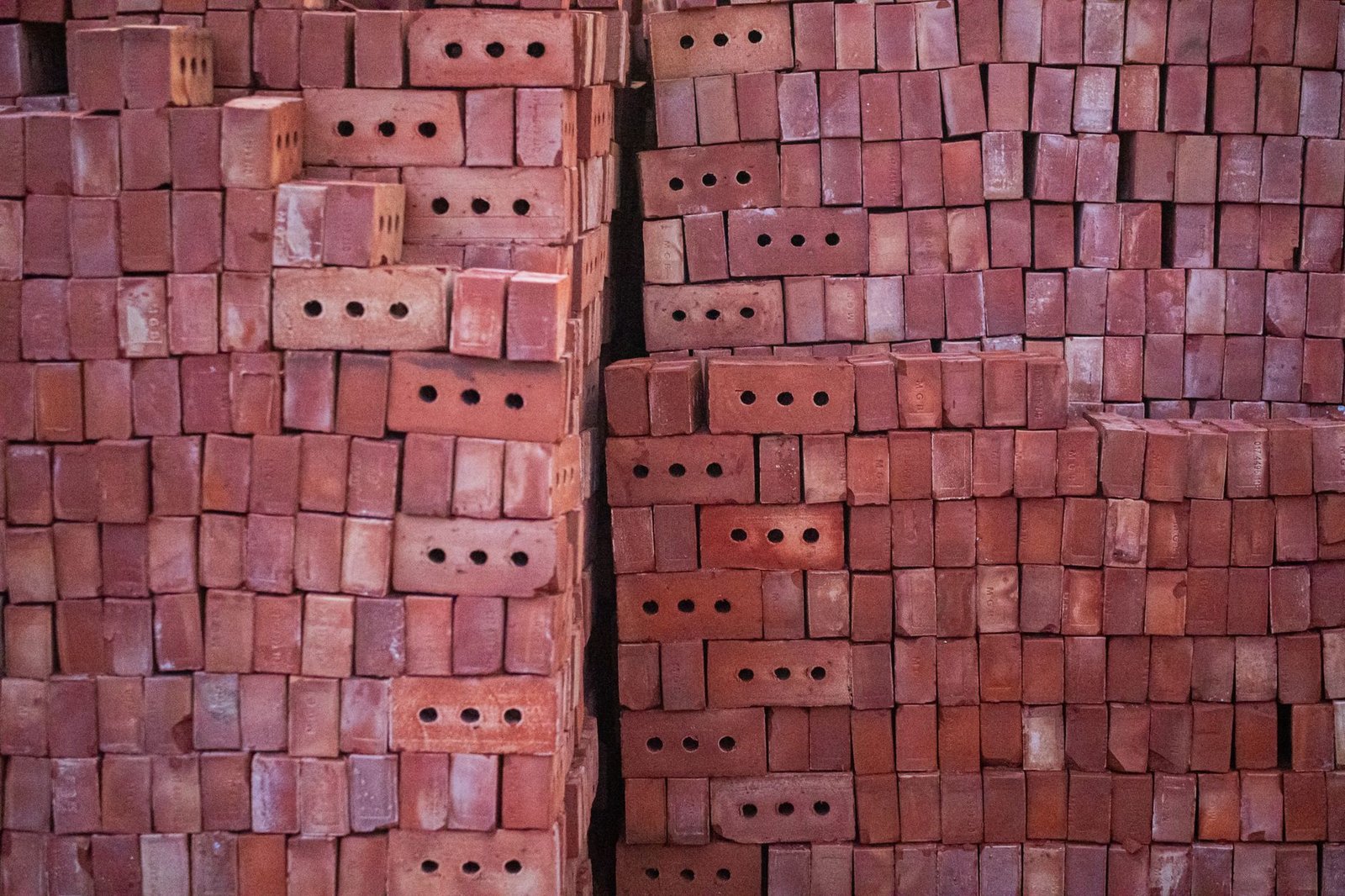
The second row is the trap. A wall brick is made to stand in a wall, not lie in the rain under feet and snow shovels. Many have core holes (the photo above), and many older ones are softer, underfired units that were only meant for the inside of a wall. Our guide to paver bricks explains the paving grades that new clay pavers are made to. Old wall brick generally doesn't meet them.
Where to find reclaimed pavers
Sourcing is half the job. The main options, from cheapest and most work to most expensive and least:
- Your own patio. If you're rebuilding, the existing pavers are the cheapest reclaimed pavers you'll ever find. Lift them carefully, stack them by type and color, and reuse them.
- Neighbors and online listings. Facebook Marketplace and Craigslist regularly list pavers from patio tear-outs, often for free or close to it if you haul them. Homes & Gardens notes that many people giving away old pavers mainly want to avoid disposal costs, which is your bargaining position.
- Reuse stores. Charity-run building-material stores, such as Habitat for Humanity ReStores, sometimes take pallets of pavers and brick.
- Demolition contractors and street projects. When a city tears up an old brick street, the bricks are sometimes sold or auctioned. Call your public works department and ask.
- Architectural salvage yards and specialist dealers. These cost the most, but the bricks are usually sorted, cleaned and stacked. New Orleans Brick Co. puts typical prices from a few cents per brick for common, chipped pieces to several dollars each for cleaned vintage pavers.
For new pavers and where each type of seller fits, see our guide to where to buy pavers.
Inspect before you load the truck
Reclaimed brick is sold as found, so inspect a sample before paying for a pallet. Pull bricks from the middle and bottom of the stack, not just the top row.
- Solid, not cored. Paving bricks are solid. Holes, deep frogs (the dent in the top) or hollow cells mean it's a wall brick.
- Hard faces. Scrape a face with a steel key. A dense paver barely marks. A soft brick powders.
- No spalling or layering. Flaking faces or thin layers peeling off mean the brick has already suffered frost damage. It will continue.
- Cracks. Tap two bricks together. A sound one gives a clear, ringing note; a cracked one sounds dull. It's an old mason's check, not a lab test, but it's quick and it catches the worst.
- Contamination. Avoid bricks with oil soaked into them, soot from chimneys, or old paint. Paint on bricks from old buildings may contain lead. Leave those for somewhere nobody's children play.
- Mortar. A little mortar on the sides is normal. Bricks coated on every face will take a very long time to clean.
Count the good ones in your sample and apply that percentage to the pallet. If a third of your sample goes in the reject pile, a third of the pallet will too.
Sort by thickness before you lay a single brick

If you only follow one piece of advice on this page, sort them by thickness first, every time. It's the step people skip, and the one that makes a reclaimed patio either charming or a trip hazard.
The reason is how pavers sit on a sand bed. The bed is screeded flat, and each brick sits on top. If one brick is 2 inches thick and its neighbor is 2 1/2, the surface has a half-inch step, no matter how carefully you screeded. ICPI's limit for lippage on pedestrian routes is 1/8 inch between pavers. Reclaimed bricks from different streets, kilns or decades vary far more than that. New Orleans Brick Co. notes the same thing: mixed thicknesses need sorting and extra leveling.
How to do it without losing a weekend:
- Make a gauge. Cut notches in a scrap board at the thicknesses you find, in 1/8-inch steps if your lot varies a lot.
- Sort into piles. Each brick goes in the pile it fits. Most lots end up in two or three main groups plus a few oddballs.
- Assign each pile a zone. The thickest go in one area, such as the main field, and the thinner ones in a separate path or border. Where zones meet, adjust the sand bed or put a border course between them.
- Keep the oddballs for cuts, edges and planters.
A quick check that pays for itself: measure the thickness of 20 random bricks before you buy. If they vary by more than about 1/4 inch, factor sorting time into the price.
Cleaning old mortar and grime
Dealer stock often arrives clean. Salvage stock usually doesn't. A practical order of work:
- Knock off mortar dry. Lay the brick on a sand bed or old tire, and tap the mortar with a mason's hammer or cold chisel held nearly flat against the face. Big chunks pop off along the joint. Wear eye protection; old mortar flies.
- Scrape the rest. A wire brush or scraper takes off thin residue. Lime-based mortar in older bricks usually comes off more easily than modern cement mortar.
- Soak stubborn bricks. A day in a tub of water softens some old mortars.
- Use acid last, and carefully. Diluted masonry cleaners remove cement smears, but they can also burn some clays and stain light bricks. Test on one brick, follow the product's dilution, rinse thoroughly, and wear gloves and eye protection.
- Wash the pavers once they're laid. A stiff brush and water, or our paver cleaning methods, finish the job.
Don't bother getting every trace of mortar off the sides. Only the faces show, and a sliver of old mortar in a joint is part of the look.
Reusing concrete pavers, yours or someone else's
Used concrete pavers are the cheapest reclaimed pavers by far, and often the most practical. They're standard sizes, the right thickness, and made to lay in sand. A few checks:
- Faded tops. Concrete pavers lose some surface color over the years. A patio of reused pavers will look uniform; mixing them with new ones of the same color won't.
- Discontinued lines. If you need more than you have, ask a dealer for the closest current match, or use the reclaimed ones in the field and a contrasting border of new pavers. A border hides the mismatch and looks planned.
- Thickness. Check that they're all the same thickness, especially if they came from two different jobs. A 60 mm paver next to an 80 mm driveway paver is a 3/4-inch trip edge.
- Sealer and stains. Old sealer may be peeling or cloudy, and oil stains from a driveway rarely come out completely. Put stained ones on paths, not the patio.
- Cleaning. Scrape the bedding sand off the bottom so they seat evenly.
Pavers that are chipped, cracked or badly stained still have uses: stepping stones, edging, pot stands and garden paths. Homes & Gardens' guide to reusing old pavers in the garden has more ideas and a sensible rule: reserve only sound pieces for anything walked on.
Recycled concrete pavers can also mean new pavers made partly from crushed concrete. Those are made and tested like other new pavers, so treat them as new products and read the spec sheet.
Laying reclaimed pavers
Reclaimed pavers go down like new ones, with a few adjustments:
- Base. Same as for any patio: at least 4 inches of compacted crushed stone for foot traffic on well-drained soil, and at least 6 for a driveway, more on wet or frost-prone ground.
- Bedding. A 1-inch screeded sand bed, with the thickness zones described above.
- Joints. Old bricks with rounded, worn edges look best with slightly wider joints. Keep them consistent within each zone.
- Compaction. Run a plate compactor with a pad over the finished surface. Worn or older bricks can chip under a bare plate.
- Driveways. Use only true street pavers or granite setts, full thickness, in a herringbone pattern. Leave building brick and thin units for paths.
- Waste allowance. Chief Bricks suggests planning 5 to 10% more than the measured area. For unsorted salvage, I'd plan more, based on the reject rate from your own sample.
What reclaimed pavers cost
Price varies enormously with source and condition. The arithmetic helps: a 4 x 8-inch brick face covers 32 square inches, so a square foot takes 4 1/2 bricks. At the $3.75 per brick Chief Bricks lists for one of its reclaimed street pavers, that's about $17 per square foot for the pavers alone, before shipping. Free pavers from a neighbor's tear-out cost only your time, a trailer and a sore back. For the full picture, see paver cleaning cost.
Shipping is the hidden cost. Brick is heavy, and a pallet shipped across the country can cost as much as the bricks. Buy locally when you can; old brick streets exist in most older cities.
Sort first, then enjoy the character
Reclaimed pavers are worth it when they're genuine paving units: dense street brick, granite, old bluestone, or sound concrete pavers from a tear-out. Inspect a sample, reject cored and soft wall brick, sort everything by thickness, and clean only as much as the faces need. Do that, and you get a patio that already looks settled on day one. Skip the sorting, and you get the same patio with a new hobby: watching guests find each thick brick with their toes.
FAQ
Are reclaimed brick pavers good for a patio?
Yes, if they are true paving bricks: solid, dense and without flaking faces. Old street pavers are often harder and more frost-resistant than new ones. Reclaimed wall bricks are usually too soft or cored for paving outdoors.
How can you tell a paving brick from a building brick?
Paving bricks are solid, with no holes or deep frogs, and have hard, dense faces that barely scratch. Building bricks often have core holes or a frog and can be softer. If a brick powders when scraped with a key, don't pave with it.
Can you reuse old concrete pavers?
Yes. Lift them carefully, scrape the bedding sand off the bottom, sort them by thickness and color, and relay them on a properly compacted base. Faded or stained ones work well in paths, borders or stepping stones.
How do you get old mortar off reclaimed bricks?
Tap it off with a mason's hammer or cold chisel held nearly flat, then scrape the residue with a wire brush. Soaking softens some old mortars. Use a diluted masonry acid cleaner only as a last step, after testing it on a single brick.
How much do reclaimed pavers cost?
From free for used pavers from a local tear-out to several dollars per brick for cleaned antique street pavers. At 4 1/2 bricks per square foot, a $3.75 brick works out to about $17 per square foot before shipping.


