

Last Updated on October 20, 2026 by Umar Farooq
Techniseal polymeric sand comes in several grades, and the right one depends on two things: how wide your joints are and whether you can run a plate compactor over the surface. EZSand is the big-box bag for 1/8 to 1/2 inch joints. SmartSand is the pro-yard version for joints up to 1 inch. HP NextGel covers 1/16 inch to 4 inches and suits pool decks, slopes and driveways. NOCO needs no compaction and is made for flagstone and slabs. STORM is a permeable compound you can install on wet pavers. All the compacted sands need at least 1.5 inches of joint depth. The details are in our piece on laying pavers in the rain.
Techniseal says it launched the first polymeric sand for paver joints in 1999, and it has been adding shelves to the family ever since. I read the current data sheets for all six products, because the product pages mostly repeat the words "no haze". Here is what each sheet actually says.
The Techniseal polymeric sand range side by side

| Product | Joint width | Compaction | Rain | Vehicles after |
|---|---|---|---|---|
| EZSand | 1/8–1/2 in | mandatory | plan 24 h dry | 24–48 h |
| SmartSand | 1/16–1 in (best to 3/8) | mandatory | survives rain at 60 min; plan 24 h | 48–72 h |
| RG+ | 1/16–1 in | mandatory | survives rain at 90 min; plan 24 h | per bag |
| HP NextGel | 1/16–4 in (best to 1) | mandatory | survives rain at 60 min; dries in 24–48 h | 48–72 h |
| NOCO | 1/4–4 in | not required | protect 24 h (48 h wide or cold) | 48–72 h |
| STORM | 1/8–2 in | not required | installs in wet weather | 5–7 days |
Temperature floors differ too. EZSand, SmartSand and HP NextGel need above 32°F for 48 hours. NOCO needs above 50°F for 48 hours. STORM goes down to 37°F.
EZSand and SmartSand for ordinary paver joints
EZSand is the one you find at Home Depot and Ace, sold in gray or tan. Its data sheet limits it to 1/8 to 1/2 inch joints at least 1.5 inches deep, and says to plan 24 hours without rain. It may take up to 72 hours to harden. If you don't own a plate compactor, the sheet allows a rubber mallet as a fallback. Plan to wait 30 days before sealing.
SmartSand is the contractor-yard equivalent in 50 lb bags. It's rated from 1/16 inch up to 1 inch, and works best at 1/16 to 3/8 inch. A 50 lb bag covers 60 to 120 sq ft of narrow joints. Its data sheet is candid about what it isn't for: pool decks, humid areas, steep slopes, standing water and joints over 1 inch all go to HP NextGel.
RG+ is the older mid-range sand, rated 1/16 to 1 inch and rain resistant at 90 minutes. For joint replacement on existing patios, Techniseal's own sheet sends you to its high-performance grade instead.
HP NextGel: the pro grade, and when it's worth the price
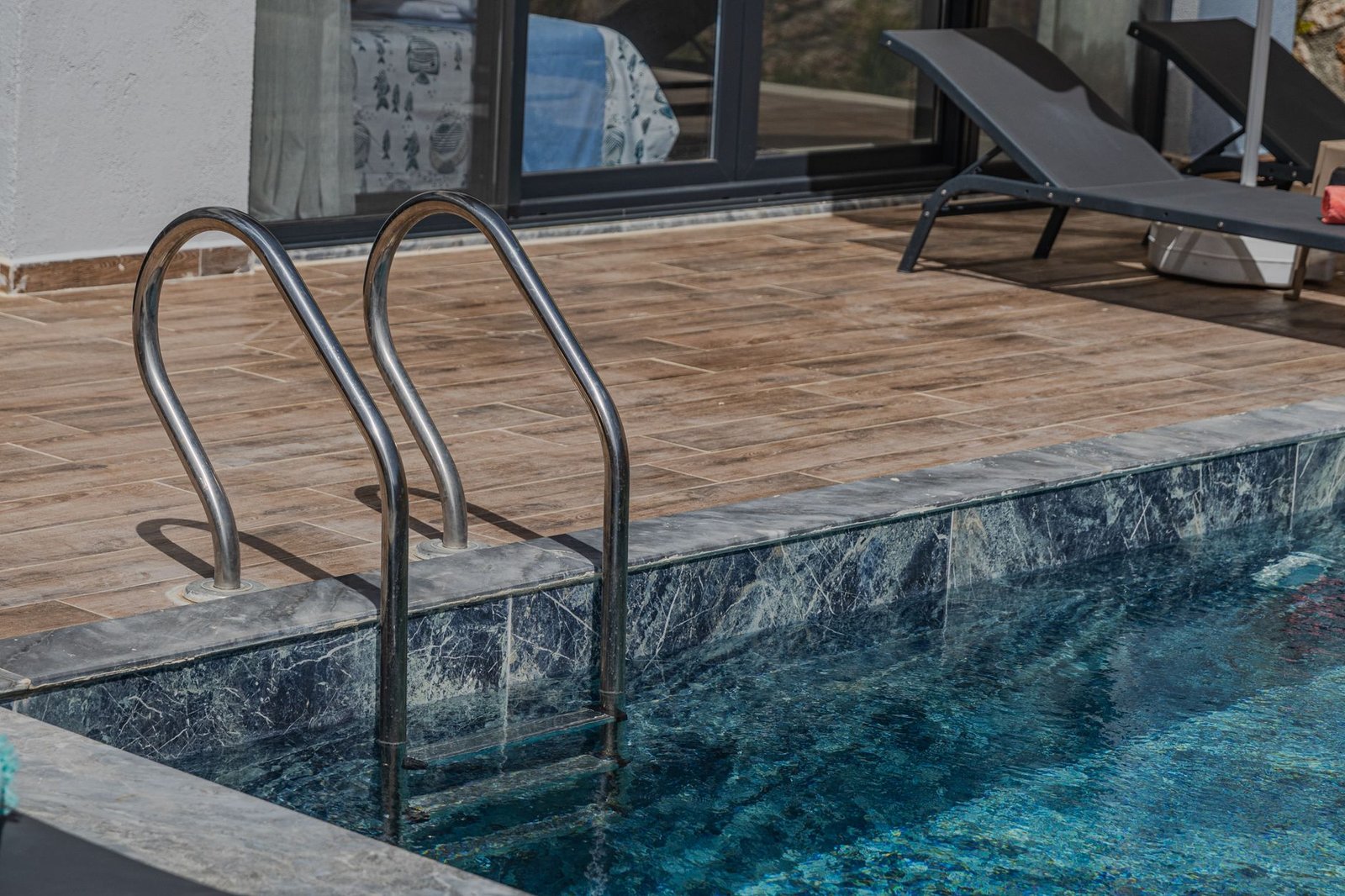
HP NextGel is Techniseal's flagship. The HP NextGel data sheet rates it for joints from 1/16 inch to 4 inches. It's ideal from 1/16 to 1 inch, with intersections up to 2 inches. It's approved for concrete and clay pavers, natural stone, porcelain, false joints and concrete overlays. It resists an unexpected rain 60 minutes after installation, but needs 24 to 48 hours to dry fully. Wait at least 7 days, and up to 30, before cleaning or sealing. One specialist dealer lists five colors (Granite, Tan, Urban Grey, Black and Ivory) and a 20-year warranty, at $84.99 for a 50 lb bag.
My view on the range is simple: most backyard patios don't need HP NextGel. Its extra capability is wide joints, pools, slopes and heavy traffic. If your concrete pavers sit on nibbed 1/8-inch joints on a flat patio, EZSand or SmartSand fills the same joint to the same 1.5-inch depth, under the same compaction rule, for a fraction of the price. Pay for NextGel when your job is on its list, not because it's at the top of the ladder.
Its sheet is also specific about the compactor, which is useful if you're renting. It suggests a plate with at least 5,000 lbf of centrifugal force, 80 to 100 Hz, weighing no more than 220 lb, fitted with a pad. Compact from the center outward. "Proper compaction does not allow a finger to sink into the joint."
NOCO and STORM for jobs with no compactor
Compaction is where most DIY joints go wrong, and Techniseal is unusually clear about it. For EZSand, SmartSand and HP NextGel, mechanical compaction is "MANDATORY", and skipping it "may compromise joint integrity". If you can't compact because the stone is irregular, the slabs are large or the porcelain maker forbids it, you need a product designed for that.
- NOCO is the no-compaction polymeric joint. Its data sheet covers 1/4 to 4 inch joints, with up to 2 inches recommended for flagstone. It needs 24 hours of protection from rain (48 for wide joints or cold weather) and above 50°F for two days. It also warns that some natural stone can develop a permanent "picture frame" halo around the joint. Test a small patch and wait two days before committing.
- STORM is a ready-to-use jointing compound you can install on wet pavers. Its sheet rates it for 1/8 to 2 inch joints at least 1 inch deep, and it needs a porous base. It's permeable, so water drains through the joint rather than off it. Feet can go on after 24 hours, cars after 5 to 7 days. How that compares with standard polymeric sand is covered in is polymeric sand permeable.
Techniseal polymeric sand instructions that trip people up
The installation steps look like any other brand's, but four details in the data sheets catch people out:
- Water in 200 sq ft sections. EZSand, SmartSand and HP start repelling water minutes after wetting. Finish one section before starting the next, working up from the bottom of the slope.
- Stop at 75 percent. On HP NextGel, you check the activation depth after watering and stop once 75 percent of the joint is wet. Over-watering lengthens the cure.
- Soft when humid is normal. Every sheet says joints "become soft when humid but become hard again when dry." A joint that stays soft on dry days is the problem, and polymeric sand problems covers the fixes.
- No pressure washer for 30 days. The EZSand and HP sheets restrict pressure washing for the first month.
For how Techniseal compares with Alliance Gator, SEK, Dominator and Sakrete, see our polymeric sand for pavers comparison.
Match the Techniseal grade to the joint, not the price tag
Techniseal's range makes sense once you stop reading it as good, better, best. EZSand and SmartSand are for ordinary compacted paver joints. HP NextGel is for wide joints, pools, slopes and traffic. NOCO and STORM are for jobs where a compactor can't or won't go. Measure your widest joint, decide whether a plate is going over it, and the right bag picks itself. The wrong one usually picks you, about one winter later.
FAQ
Which Techniseal polymeric sand is best for pavers?
For standard concrete pavers with joints up to 1/2 inch, EZSand or SmartSand. Use HP NextGel for joints wider than 1 inch, pool decks, slopes, humid areas or driveways. For flagstone where you can't use a compactor, use NOCO.
What colors does Techniseal polymeric sand come in?
EZSand comes in gray and tan. One dealer lists HP NextGel in Granite, Tan, Urban Grey, Black and Ivory. Colors vary by product and region, and Techniseal notes that color and grain size can vary because the sand is natural.
How long does Techniseal polymeric sand take to dry?
Plan for 24 hours without rain for EZSand and SmartSand, and 24 to 48 hours for HP NextGel to dry fully. EZSand can take up to 72 hours to harden in cool or humid weather. Foot traffic can usually go on immediately, and cars after 24 to 72 hours depending on the grade.
Do you have to compact Techniseal polymeric sand?
Yes, for EZSand, SmartSand, RG+ and HP NextGel. Techniseal calls mechanical compaction mandatory for all four. NOCO and STORM are designed to be installed without a compactor.
Can I install Techniseal polymeric sand in the rain?
Not the standard sands. The surface and joints must be dry. STORM is the exception: Techniseal rates it for wet-weather installation, though repeated heavy rain slows its cure.


