Last Updated on September 23, 2026 by Umar Farooq
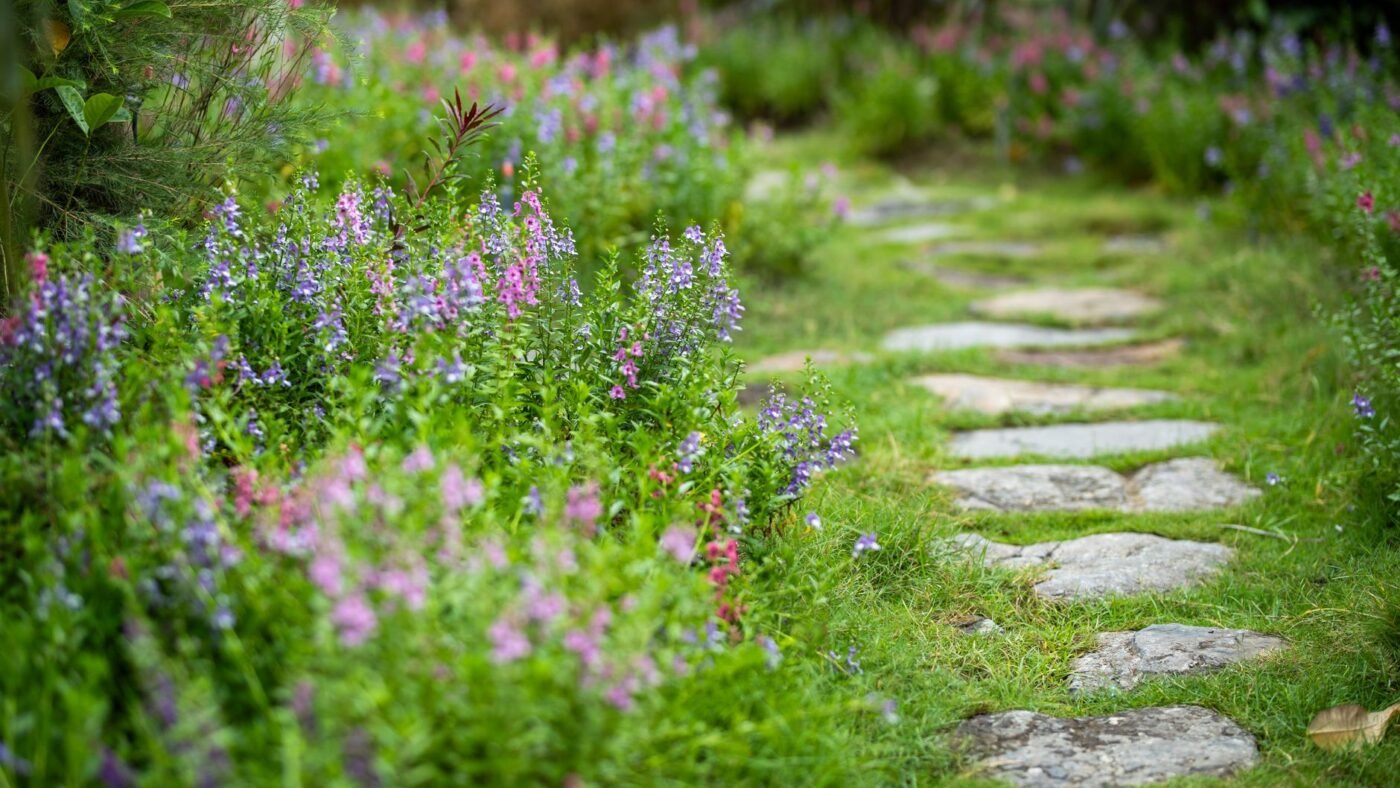
You can lay pavers on dirt, but only where the load is light and the soil is firm and well drained: stepping stones, a garden path, a spot for a bench or a temporary patch. I checked the big paver makers' install guides hoping one would bless the no-gravel patio. None does. Strip the grass and loose topsoil, tamp the firm subsoil underneath, spread about 1 inch of coarse sand, and set the pavers so water runs off. For a patio with furniture, a grill or daily traffic, skipping the base is a false saving: without 4 to 6 inches of compacted gravel, the pavers sink, rock and grow weeds within a season or two.
Where you can lay pavers on dirt, and where it fails
Dirt fails under pavers for two reasons: it compresses under weight, and it changes volume when wet or frozen. Crushed stone solves both, because it locks together and drains. The question is whether your project and soil can get away without it. Dirt is a fine neighbor for a paver. It's just a terrible landlord.
| Project | On dirt? | Why |
|---|---|---|
| Stepping stones through a lawn or bed | Yes | Each stone carries one footstep at a time, and a sunk stone is easy to reset |
| Narrow garden path, occasional use | Usually | Works on firm, well-drained soil with good edging |
| Temporary or seasonal patio | Yes, short term | Expect to relevel it |
| Everyday walkway to a door | Marginal | Add at least a thin gravel layer |
| Patio with table, chairs and grill | No | Point loads push pavers into the soil |
| Anything on clay or soggy ground | No | Clay holds water, swells and heaves |
| Driveway or parking pad | Never | Vehicle loads need a deep engineered base |
Top rows, carry on. Otherwise, see the middle ground below or build a proper paver base.
Test your soil before you trust it
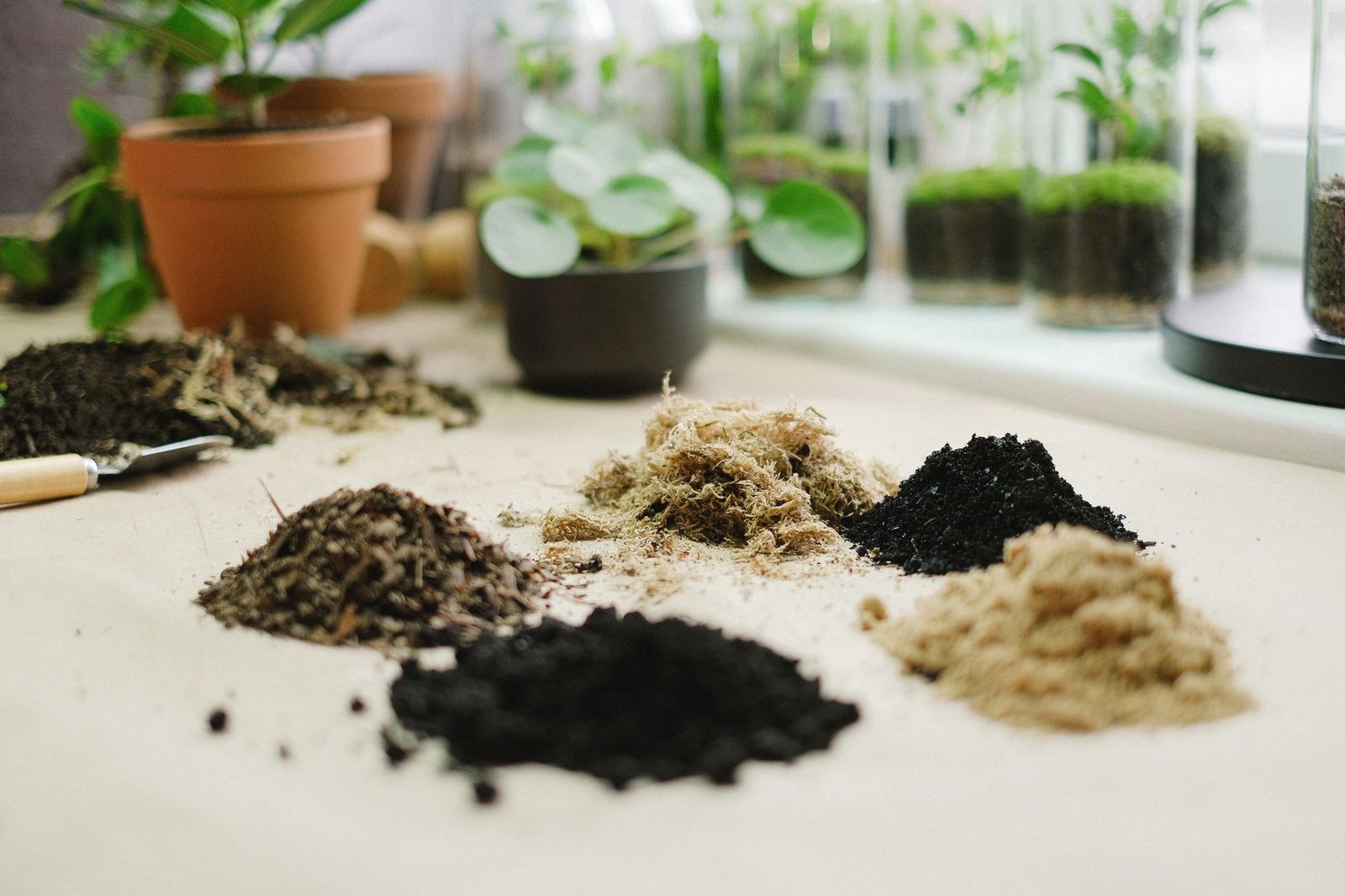
The method depends entirely on your ground, so spend ten minutes checking it.
Check the texture. Take a handful of moist subsoil from below the topsoil and squeeze it into a ribbon between thumb and finger. Soil that feels gritty and will not form a ribbon is sandy. A ribbon longer than about 2 inches means clay. Colorado State University Extension has a clear guide to reading the result, and the Clemson jar test gives you rough percentages if you want more detail.
Check the drainage. Dig a hole about 12 inches deep, fill it with water, let it drain, then fill it again. If the second fill is gone within a few hours, drainage is good. If water is still standing the next day, you've built a small pond, and pavers set in that ground will move.
What the results mean:
- Sandy or loamy soil that drains well: the best case for pavers on dirt. Sandy soil drains but can shift sideways, so edging matters.
- Clay: a poor candidate. It holds water, swells when wet, shrinks when dry and heaves when it freezes, which is a lot of hobbies for one soil. The JPK Landscaping comparison of clay, sand and loam covers this well.
- Fill dirt or recently disturbed ground: it will keep settling for months. Compact it hard or wait.
- Organic topsoil: always remove it. It rots and compresses no matter what you put on top.
How to set pavers in dirt so they stay level
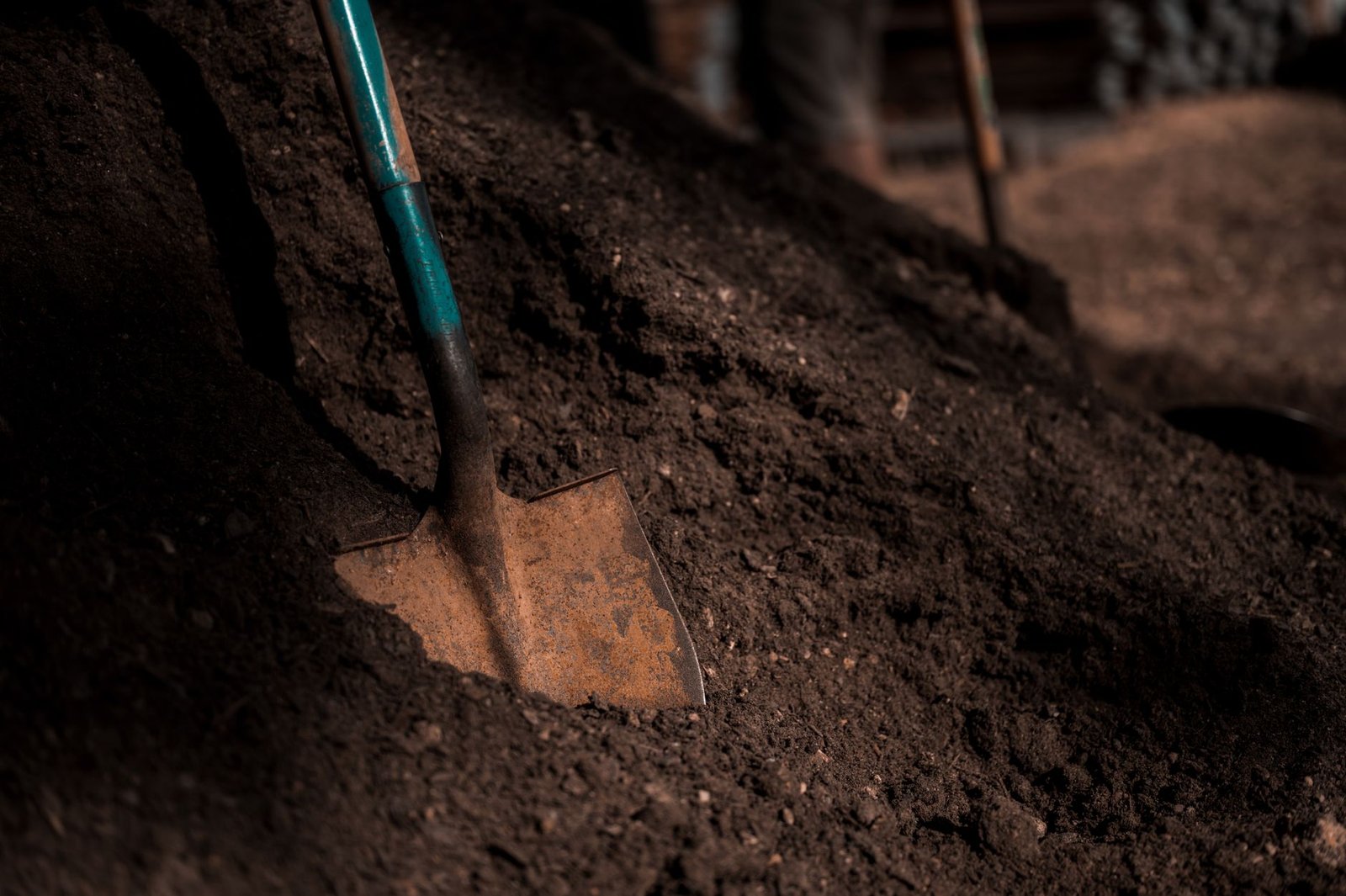
For a garden path or small pad on suitable soil:
- Mark and strip. Outline the area with string or marking paint. Remove the sod and all dark, crumbly topsoil until you reach firmer, lighter subsoil. On most lawns that is 2 to 4 inches down.
- Dig to depth and shape the slope. Dig to the thickness of the paver plus about 1 inch for sand, so the finished surface sits level with the surrounding ground or slightly above it. Give the bottom a slope of about 3/16 to 1/4 inch per foot (1.5 to 2%, ICPI's minimum being 1.5%) so water runs off to the side, never toward the house.
- Tamp the soil hard. Lightly moisten the subsoil (damp, not muddy) and compact it with a hand tamper, going over every spot several times. For larger areas, rent a plate compactor for the day. Fill low spots with more subsoil and tamp again.
- Spread and screed the sand. Lay a sheet of landscape fabric if weeds are a concern, then spread about 1 inch of coarse concrete sand (ASTM C33; stone dust and mason sand are the wrong materials). Drag a straight board across it for an even bed. Don't use soil, play sand or a thicker sand layer to fix a low spot; fix the soil instead.
- Set the pavers and lock them in. Place each paver straight down onto the sand, tap it level with a rubber mallet, and check with a level as you go. Install edging along both sides of a path, pinned into the tamped soil. Sweep sand or polymeric sand into the joints and mist it lightly.
Large, thick pavers and stone slabs do better on dirt than small bricks, because they spread each footstep over more soil. For stepping stones set in a lawn, where spacing and mowing height matter more than joints, follow our guide on how to lay stepping stones.
Why pavers on dirt sink, tilt and wobble
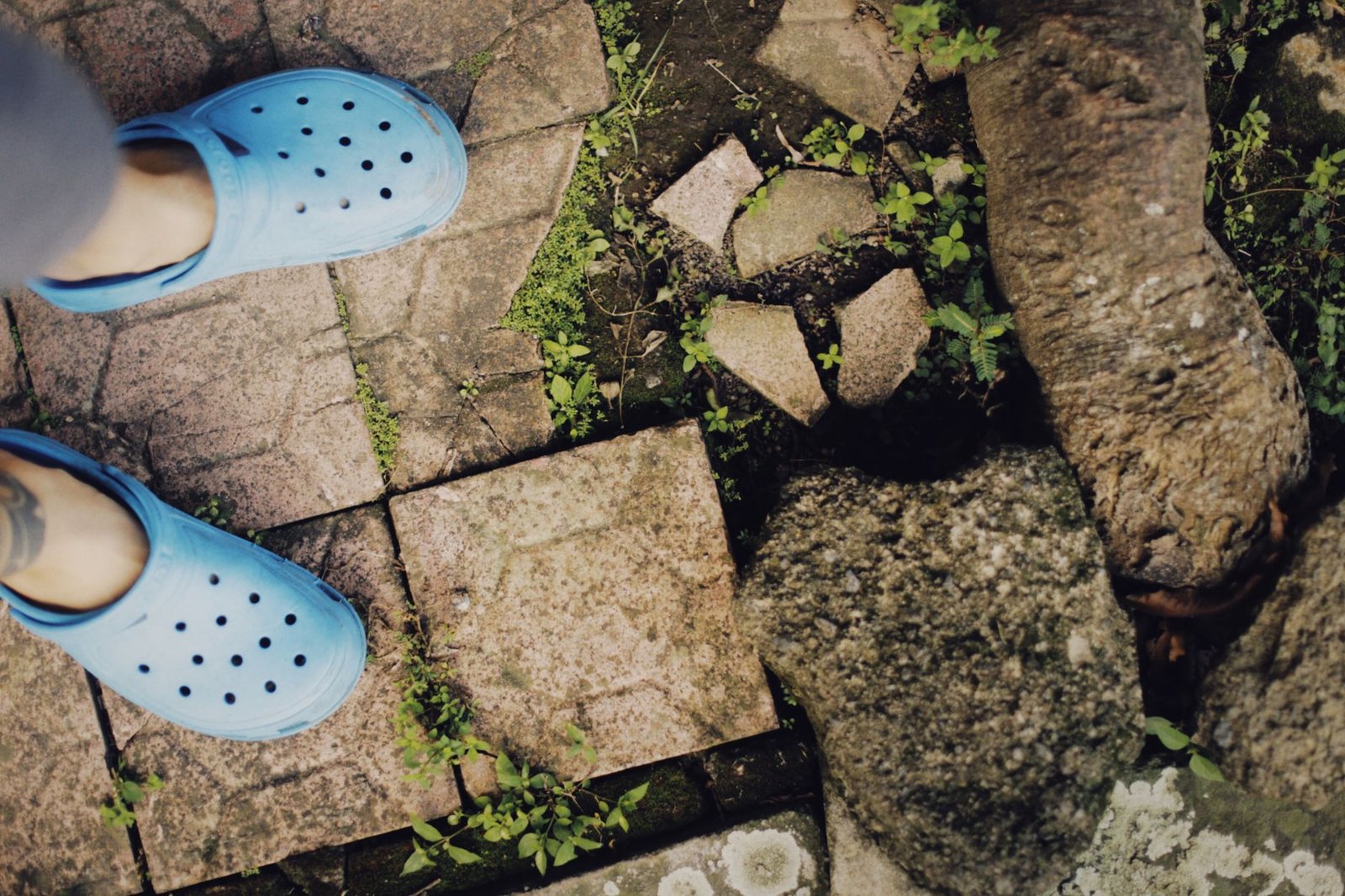
Laying pavers without a base fails in predictable ways, all from one mechanism: pavers only spread the load, and something underneath has to carry it. Compacted stone does. Soil mostly doesn't.
- Sinking under point loads. A chair leg, a grill wheel or a planter concentrates weight on a small area. The paver under the load drops, and its neighbors tilt toward it.
- Frost heave. Wet soil expands as it freezes and pushes pavers up unevenly. When it thaws, they settle back to a different height. In cold climates this happens every winter.
- Washout. Rain running along the joints carries sand and fine soil with it. The bedding thins, and edges start to rock.
- Creep at the edges. Without edging, the outer pavers slowly head for the lawn, opening the joints across the whole path.
If a paver on dirt sinks, lift it, add and tamp a little subsoil, rebed it in sand and tap it level. That's the deal with this method: occasional resetting in place of a heavier build.
Stopping weeds in joints over bare soil
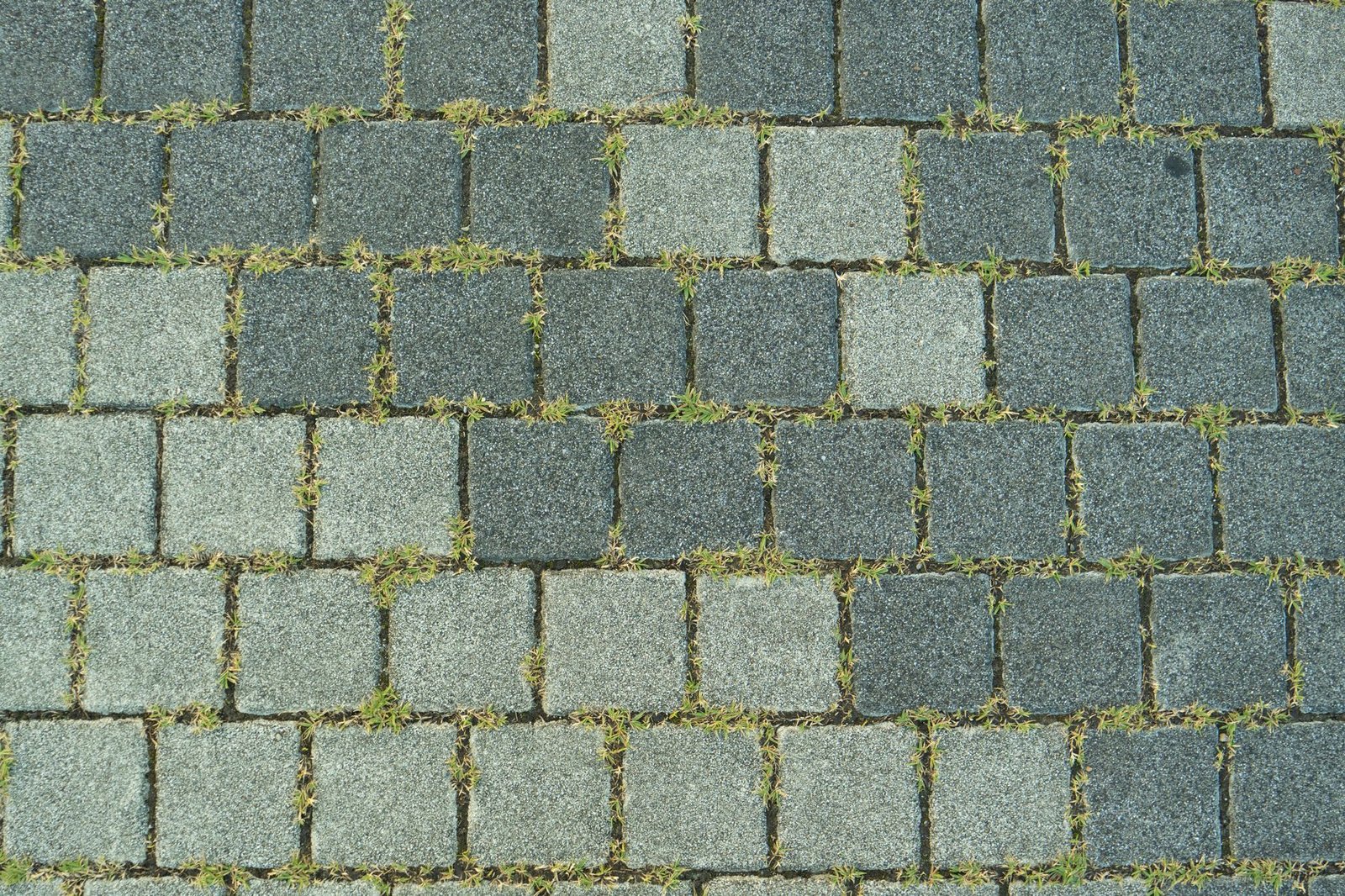
Weeds are the most common complaint about pavers on dirt, because seeds and roots sit just below the joints, waiting.
- Put landscape fabric under the sand. It separates the soil from the bedding layer and keeps roots and fine soil from working upward.
- Use polymeric sand in the joints. It hardens after misting and resists both weeds and washout far better than loose sand. Keep joints tight, about 1/8 inch, if the paver allows.
- Keep water moving. Damp joints grow moss and weeds. A slight slope and a surface set a little above the soil help them dry.
The cheap middle ground: a thin gravel layer
If your project sits between "stepping stones" and "patio," you don't have to choose between bare dirt and a full dig.
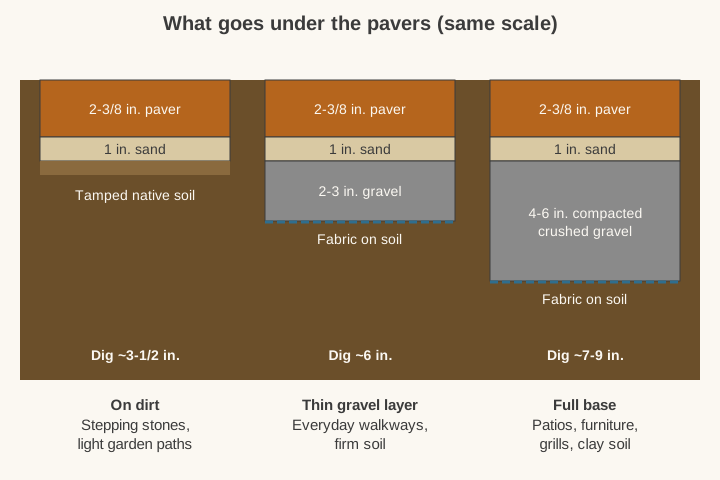
- 2 to 3 inches of compacted crushed stone over landscape fabric, then 1 inch of sand, is a compromise for a light garden path on firm soil. I checked: it sits below ICPI's minimum of 4 inches for walkways, so an everyday path to a door should get the full 4.
- Paver base panels are rigid foam or plastic panels that replace some gravel on light-duty patios and paths, within the manufacturer's soil and load limits.
- A full 4 to 6 inches of compacted gravel is the standard for patios with furniture and for any clay soil.
Use angular crushed stone that locks together, not rounded pea gravel, which rolls under load. Our guide to paver base material compares the options.
Save the dirt method for paths you could redo in an afternoon
It's fine to lay pavers on dirt for stepping stones, garden paths and light, low-risk areas on firm, well-drained soil. Strip the topsoil, tamp the subsoil, bed the pavers in an inch of sand, slope the surface and edge it. For a patio that holds furniture, sits on clay, or sits outside the back door you use every day, add gravel. The pavers get the compliments either way; the gravel decides whether they're still level when the compliments stop.
FAQ
Can you put pavers directly on dirt without sand?
You can press large, thick stepping stones straight into tamped soil, but most pavers need a thin sand layer so each paver sits flat instead of rocking on lumps of dirt. Use about 1 inch of coarse concrete sand.
How deep should I dig to lay pavers on dirt?
Dig to the thickness of the paver plus about 1 inch for sand, and deeper if needed to get below the grass roots and loose topsoil to firm subsoil. For a standard 2-3/8-inch paver that is roughly 3-1/2 inches, and more wherever the soil is still soft.
What happens if you lay pavers without a base?
On light-use paths on firm soil, not much, apart from occasional resetting. Under patio furniture, on clay, or in freezing climates, the pavers sink under point loads, heave in winter, lose their bedding sand and grow weeds in the joints, so the surface turns uneven within a season or two.
Can I use landscape fabric when laying pavers on dirt?
Yes, and it is a good idea. Lay non-woven landscape fabric on the tamped soil before the sand. It keeps sand from mixing into the dirt and slows weeds coming up through the joints.
Is it OK to lay a paver patio on dirt?
Not for a patio in regular use. Furniture and grills concentrate weight on single pavers, and bare soil compresses. A patio needs about 4 to 6 inches of compacted crushed gravel under the sand. Save the dirt method for stepping stones and light garden paths.