Last Updated on September 23, 2026 by Umar Farooq
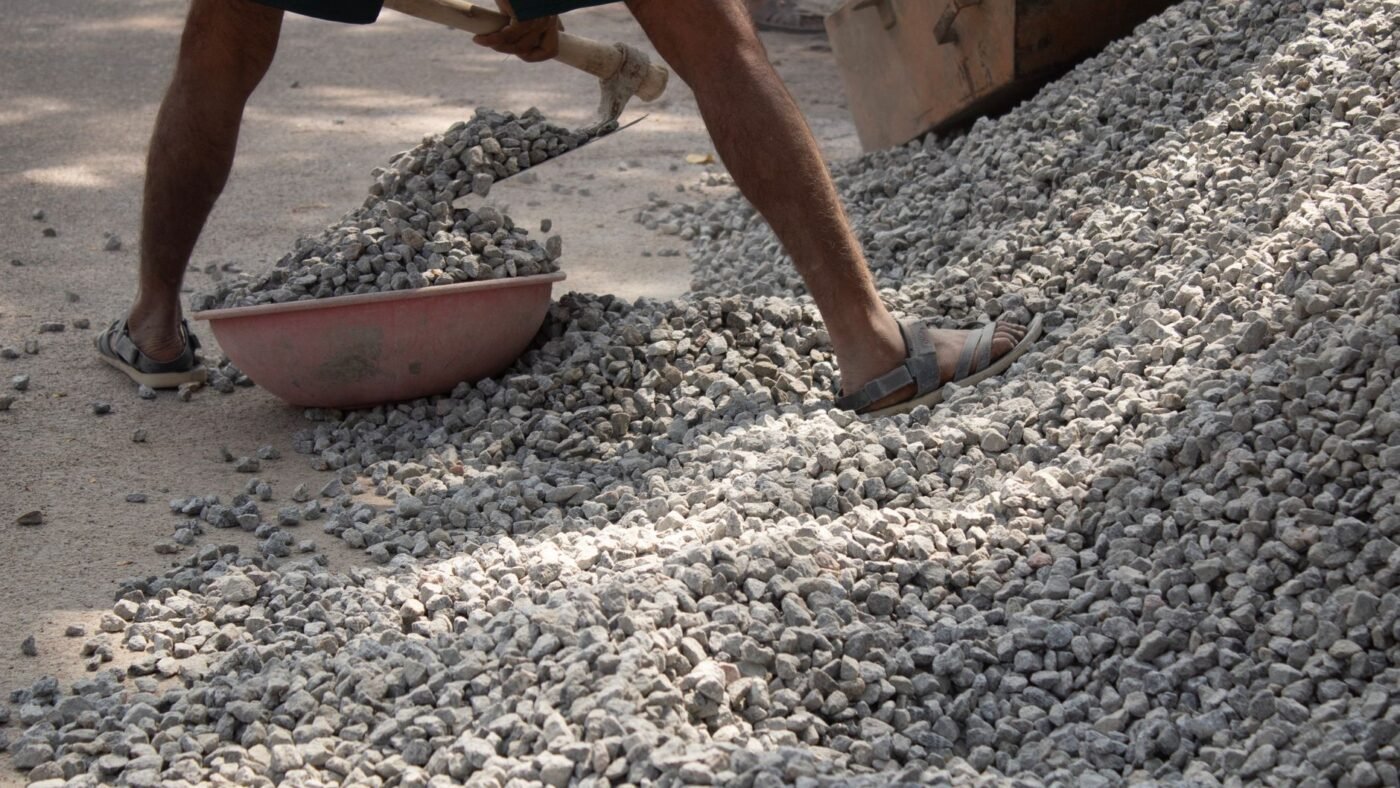
The best paver base material for most patios, walkways and driveways is dense-graded crushed stone: angular stone graded from about 3/4 inch down to fine dust, sold as crusher run, quarry process (QP), road base or Class 5, depending on your region. It compacts into a hard, stable layer. Clean open-graded stone such as #57 is right for permeable pavers, and plastic base panels work for light-duty patios and walkways. Pea gravel, stone dust and plain dirt don't work at all. It's the least photogenic purchase in the whole project, and the one that decides whether the photogenic part stays flat.
This page is about which material to buy. For thickness, digging and compaction, see our paver base guide.
Dense-graded crushed stone: the default choice
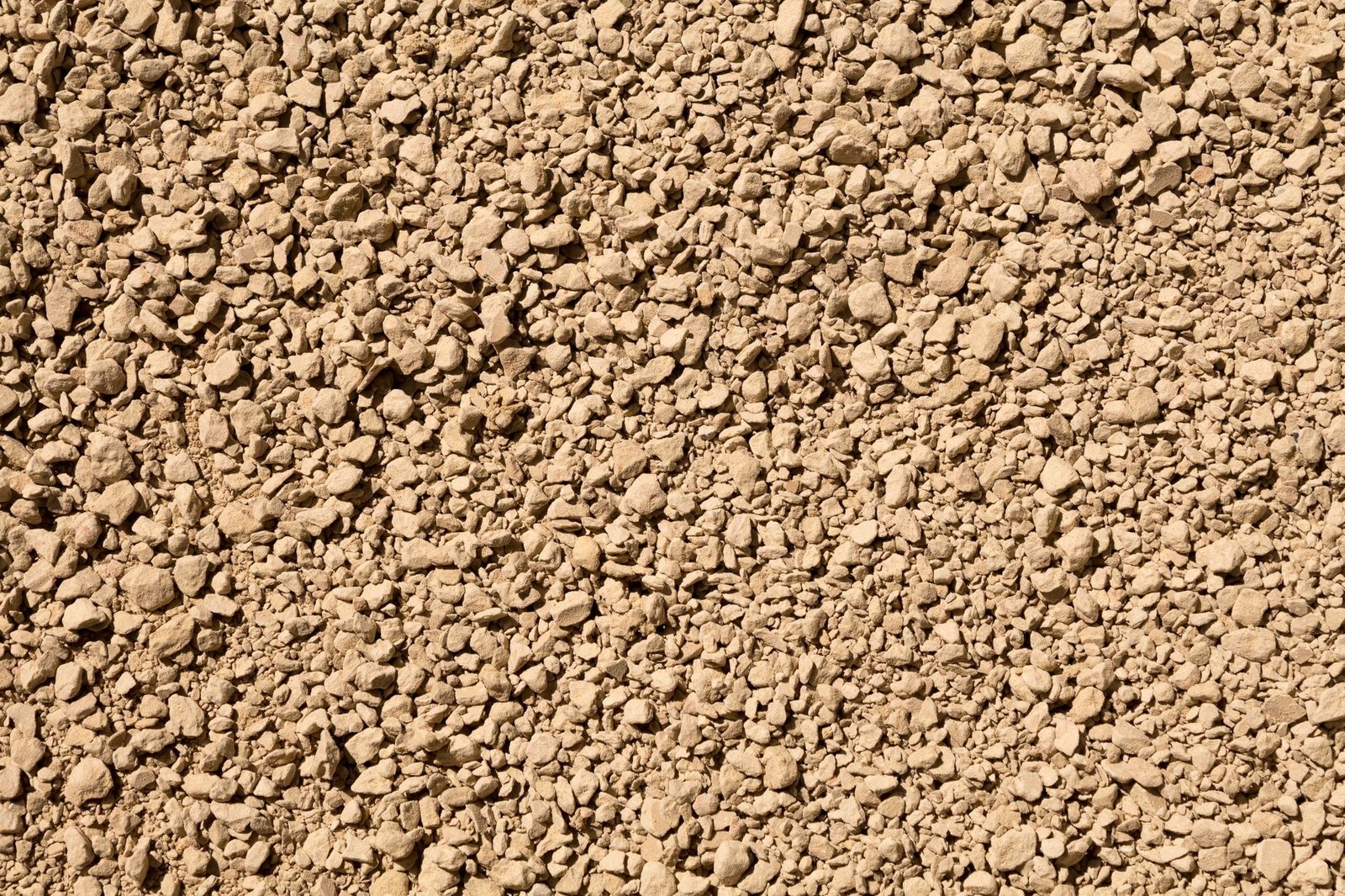
Dense-graded stone contains every particle size from about 3/4 inch (sometimes 1 inch) down to dust. Compacted, the fines fill the gaps between the angular pieces and the layer locks nearly solid. That's why the Concrete Masonry & Hardscapes Association's paver specifications point to the same graded aggregate used under highway pavements (ASTM D2940).
The same material goes by different names around the US:
- Crusher run (common in the Mid-Atlantic and Southeast)
- Quarry process, "QP" (Northeast)
- Road base or 3/4-inch minus (West)
- Class 5 (Upper Midwest)
- Dense-graded aggregate, "DGA" (many state specifications)
I tried to find one national name for this stuff and gave up somewhere around the fifth. At the yard, describe it instead: angular crushed stone with fines, for compacted base, with sizes from gravel down to powder.
Pros: it compacts hardest, costs the least per ton, and is sold everywhere. Cons: it drains slowly through its own mass, so the surface slope has to carry water away, and it's heavy work to spread by hand.
Open-graded #57 stone and why permeable pavers need it
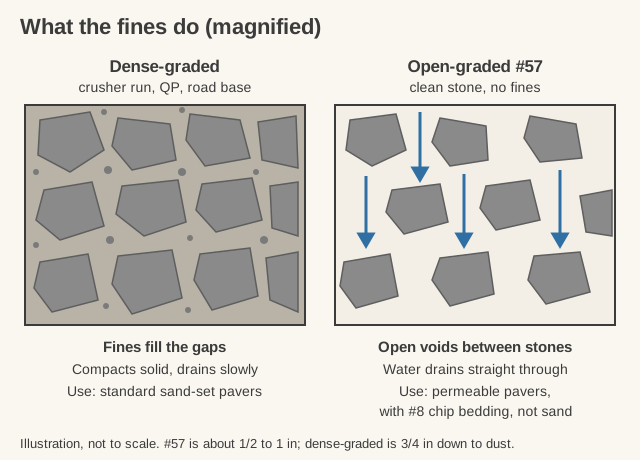
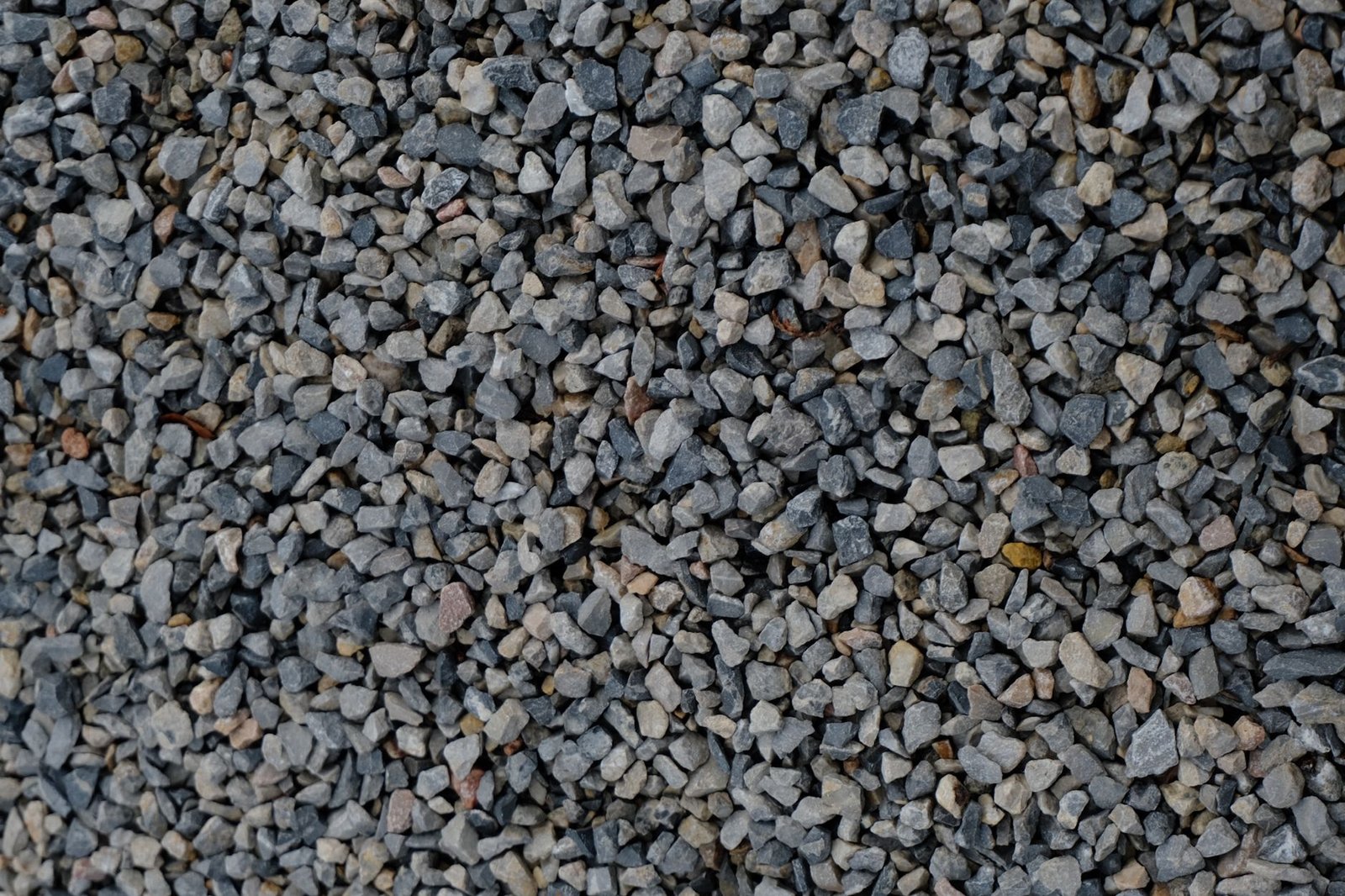
Open-graded stone has the fines washed out. ASTM #57 is mostly 1/2 to 1 inch pieces. Also called clean or clear stone, it leaves open voids that water passes straight through.
That makes it the base for permeable interlocking pavers. CMHA's guidance on constructing permeable interlocking concrete pavement describes the typical stack: #8 chip stone bedding about 2 inches thick, over roughly 4 inches of #57 base, over a deeper #2 stone subbase that stores stormwater.
Two cautions if you go this way:
- Don't bed pavers on sand over open-graded stone. Sand washes down into the voids. Use #8 or similar chip stone as the bedding layer.
- It needs confinement. Clean stone rolls under a compactor until it's boxed in. Solid edge restraints and geotextile against the soil are part of the system, not extras.
For an ordinary patio, open-graded stone is more work and money than you need. For wet sites, flat yards or local stormwater rules, it's the right tool.
Recycled concrete aggregate: cheaper, with caveats
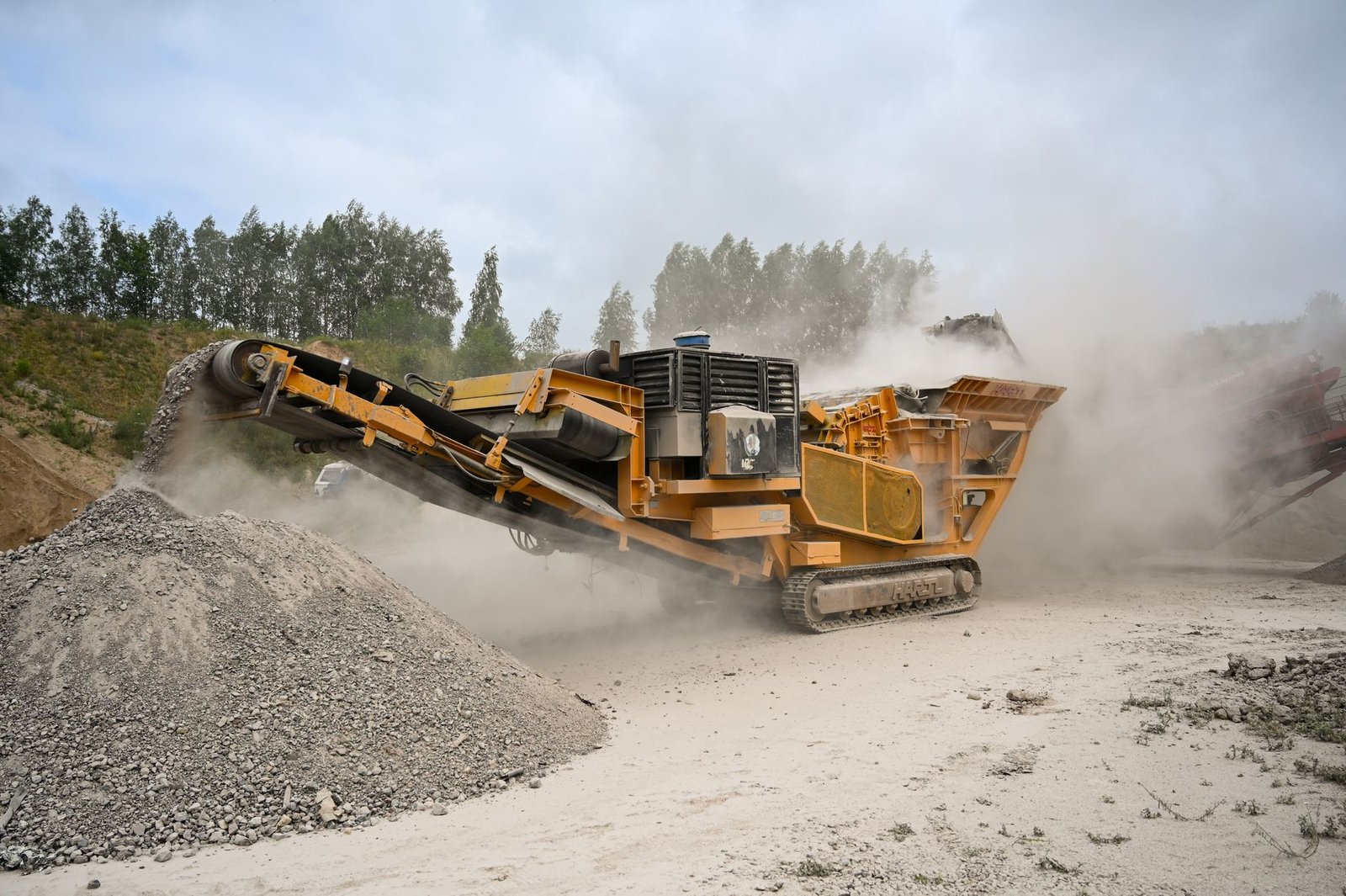
Recycled concrete aggregate (RCA) is old concrete crushed and screened to a gradation similar to crusher run. Good RCA compacts well and often costs less than virgin stone.
Quality varies more than with quarry stone, so look at the pile. Reject it if you see brick, asphalt, rebar, wood or trash. (A pile with a flip-flop in it is telling you something.) Fresh concrete fines can also be alkaline and may leach, which some installers link to white staining on pavers. If local paver contractors use it as graded base, it's reasonable. If it's sold as "fill," skip it.
Paver base panels: plastic in place of gravel
Interlocking plastic panels, such as Brock PaverBase and similar products, replace most of the gravel layer on light-duty projects. You compact the soil, lay fabric and a thin layer of sand, click the panels together, and set the pavers on top. Brock's own comparison shows about 1 inch of panel where a traditional installation uses about 5 inches of base.
They make sense for small patios, walkways and shed pads where hauling stone is the hard part. They aren't a driveway base, and they depend completely on well-compacted, well-drained soil. Panels spread load; they can't fix soft ground.
Paver base material compared side by side
| Material | What it is | Compacts | Drains through itself | Best use |
|---|---|---|---|---|
| Crusher run / QP / road base | 3/4 in minus angular stone with fines | Excellent | Slowly | Standard patios, walkways, driveways |
| #57 clean stone | 1/2–1 in angular stone, no fines | Needs confinement | Fast | Permeable pavers, wet sites |
| #8 chip stone | about 3/8 in clean chips | Fair | Fast | Bedding layer over open-graded base |
| Recycled concrete (RCA) | Crushed concrete, graded like crusher run | Very good | Slowly | Budget alternative when the pile is clean |
| Plastic base panels | Interlocking polypropylene grid | Not applicable | Yes | Light-duty patios and paths |
| Pea gravel / river rock | Rounded stone | Poor | Fast | Not a paver base |
Materials that do not belong under pavers
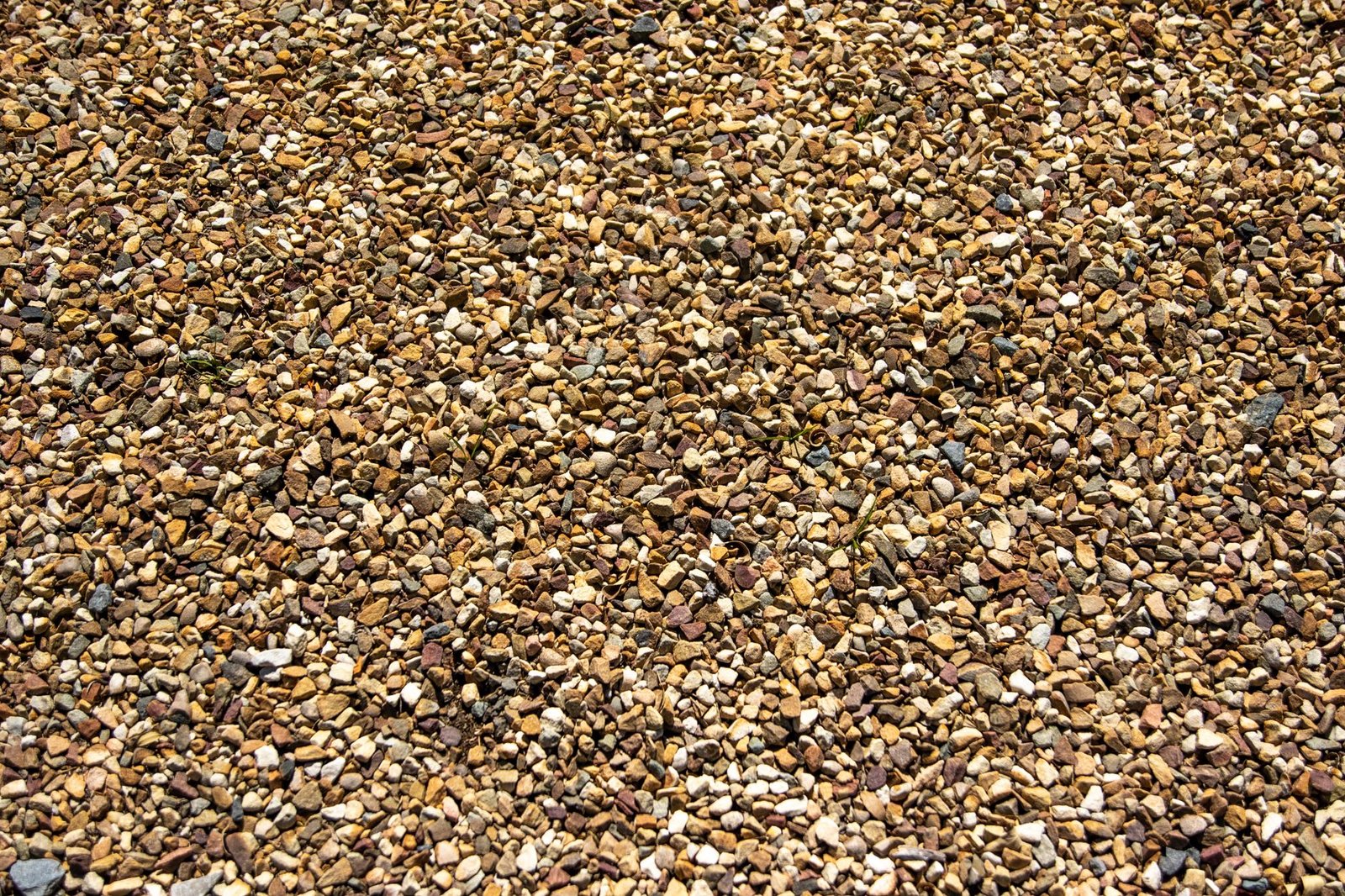
Pea gravel and river rock. Rounded stones roll like ball bearings; no amount of compaction locks them, so pavers rock and drift.
Stone dust as the base or the bedding layer. Stone dust (limestone screenings, crusher dust) packs tight but holds water. Unilock explains why stone dust doesn't belong under pavers: trapped moisture leads to efflorescence, fines pumping up through the joints in freeze-thaw weather, and settling. CMHA's specification is blunter, ruling out "limestone screenings, stone dust" as bedding by name. Use washed ASTM C33 concrete sand for bedding; our sand for pavers guide covers which sand goes where.
Topsoil, fill dirt and clay. These compress, hold water and heave with frost. Only stepping stones and very light garden paths can sometimes go on dirt.
Plain sand as the whole base. Sand is a bedding material, 1 inch thick. A 6-inch layer of sand under a patio shifts, washes out at the edges and ruts under any weight.
Asphalt millings. They soften in heat and don't compact into the flat, uniform layer pavers need.
Buying base material: bags or bulk?
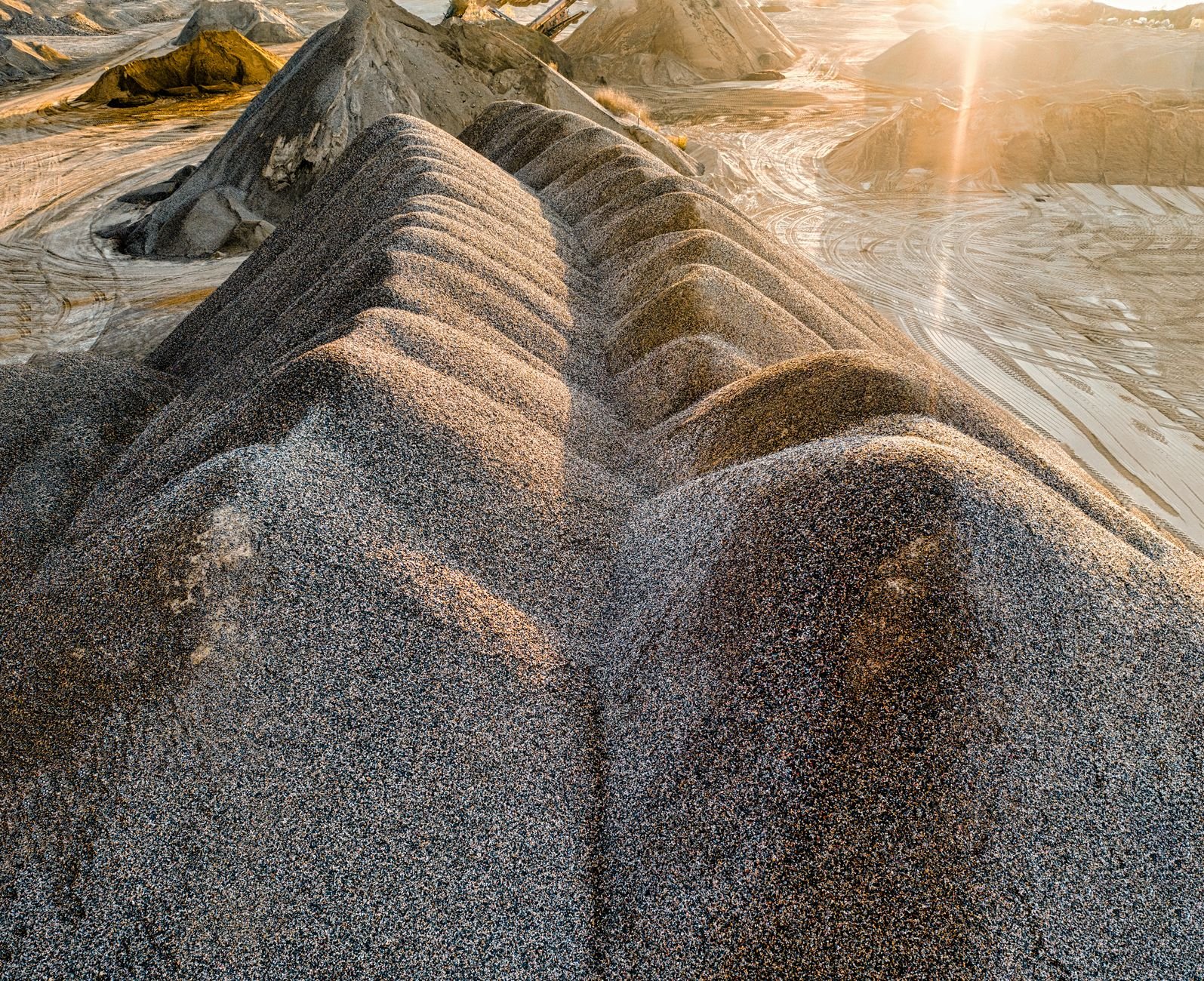
Bagged "all-purpose paver base" is usually dense-graded crushed stone in 0.5 cubic foot bags: fine for a landing or a small path, but the math turns against bags quickly. A 10 × 12 foot patio with a 6-inch base needs about 60 cubic feet compacted, which is well over 120 bags once you allow for compaction, and roughly as many trips from the car.
Bulk stone from a quarry or landscape yard is sold by the ton or cubic yard, and most yards deliver. Crushed stone weighs roughly 1.4 to 1.5 tons per cubic yard, and loose stone loses volume when compacted, so order 15 to 20% more than your compacted volume. Have the truck dump it on a tarp near the work area, not on the lawn you're trying to keep.
Buy angular stone with fines, and walk away from the dust
For nearly every sand-set patio, walkway or driveway, the right paver base material is dense-graded crushed stone, whatever your local yard calls it. Choose #57 with #8 chip bedding only for a permeable system, clean RCA when the pile looks like concrete and nothing else, and panels for light-duty projects on good soil. And buy it in bulk for anything bigger than a landing; bags only feel cheaper because each one is. Once the stone is sorted, the paver installation sequence takes it from there, and the pea gravel can go back to being a very nice garden path.
FAQ
What is the best base material for pavers?
Dense-graded crushed stone, 3/4 inch down to fines, sold as crusher run, QP, road base or Class 5. It compacts into the stiffest, most stable layer. For permeable pavers, use open-graded #57 stone with #8 chip bedding instead.
Can I use pea gravel as a paver base?
No. Pea gravel is rounded, so it never locks together under compaction, and pavers set on it shift and rock. Use angular crushed stone for the base.
Is stone dust a good base for pavers?
No, not for the base and not for the bedding. Stone dust holds water, which can cause settling, efflorescence and joint problems in freeze-thaw climates. Major manufacturers and CMHA's guide specification advise against it.
What is the difference between paver base and paver sand?
Paver base is the thick, compacted crushed-stone layer that carries the load. Paver sand is either the 1-inch bedding layer of concrete sand under the pavers or the fine joint sand swept between them. They're different materials with different jobs.
Is road base the same as paver base?
Usually, yes. Road base, crusher run, QP and bagged "paver base" all describe dense-graded crushed stone with fines. Check that the product is angular crushed stone with a 3/4-inch or 1-inch top size before you buy.