Last Updated on September 23, 2026 by Umar Farooq
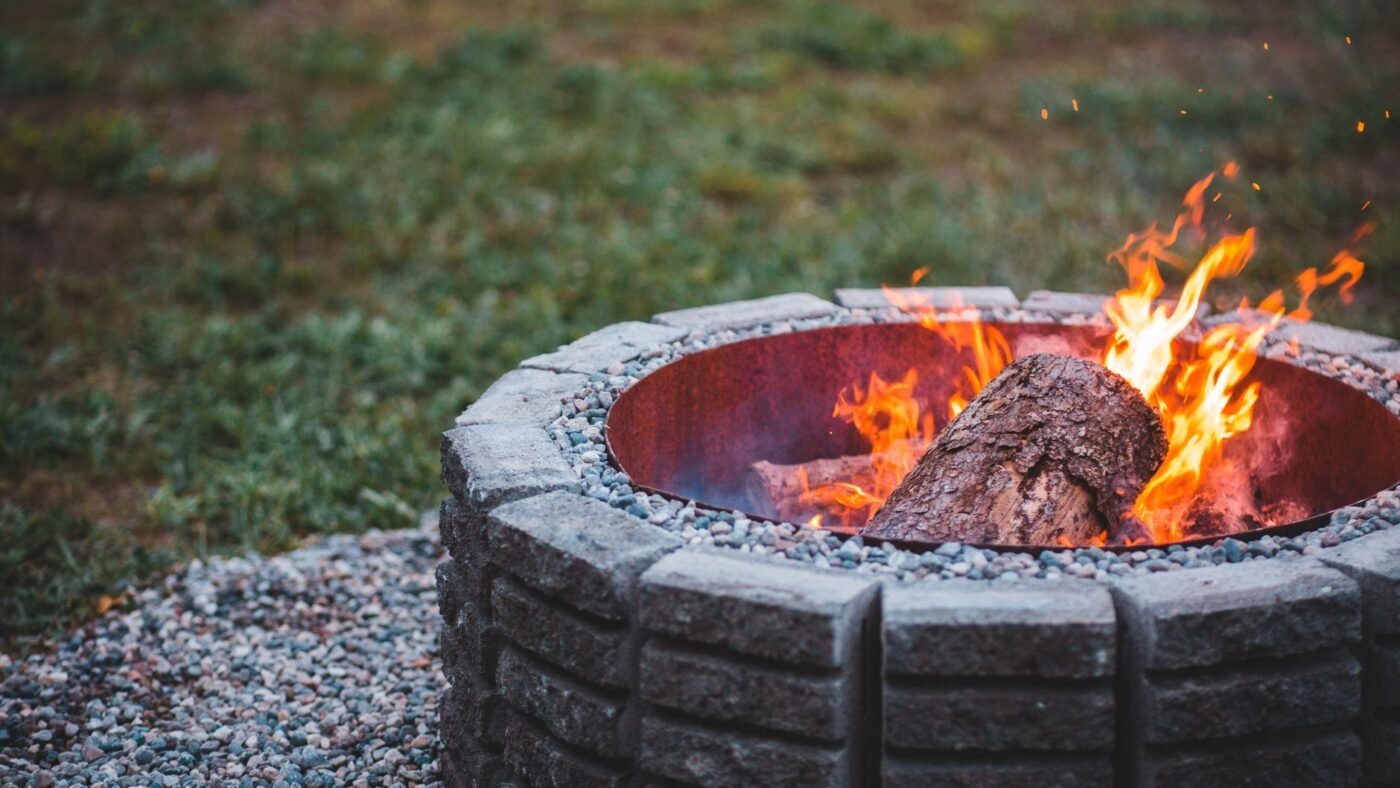
Fire pit blocks are concrete wall blocks, usually tapered for a round pit or straight for a square one, stacked two to four courses high without mortar and held together with masonry adhesive. The blocks form the outer shell, and the shell is not the part that should be on fire. They should not take the fire directly: line the pit with a heavy steel fire ring or firebrick, because ordinary concrete can crack or spall when it is heated fast. Build the pit on a compacted gravel base, keep it well away from the house, and check local burn rules first.
Retail kits bundle the blocks and a steel insert, or you can buy blocks loose from a landscape supplier. Either way, the rules below are the same.
Wall block, cinder block or kit: which fire pit blocks to buy
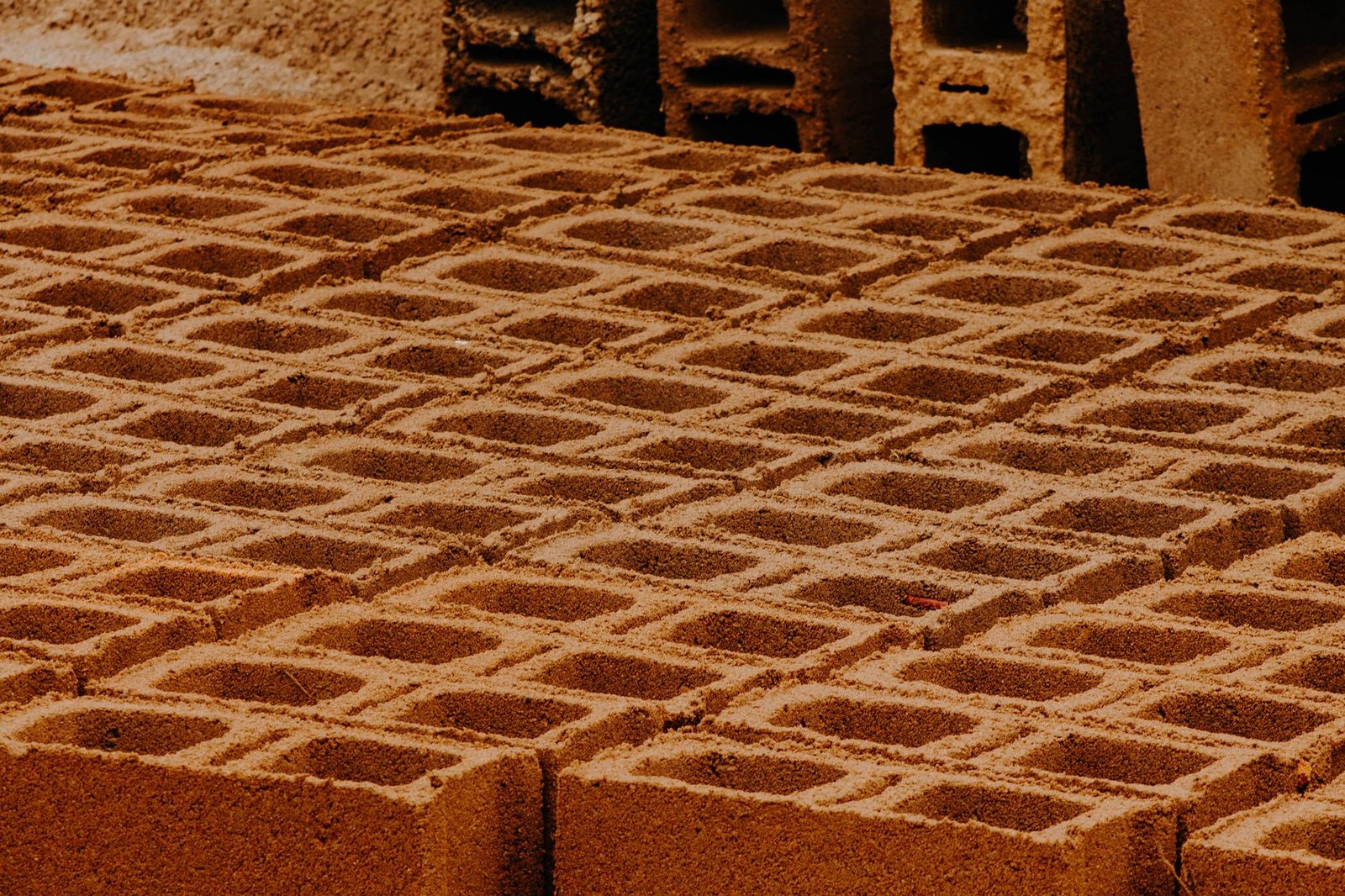
Segmental wall blocks are the most common choice: solid or near-solid concrete, with a lip or pin system that aligns each course with the one below. Tapered versions make a circle without cutting, and most home centers stock them.
Cinder blocks (CMUs) are cheap and easy to find, but they are hollow structural blocks, not a finished face. They look like a building site unless you veneer them, and like any concrete they need a liner.
Fire pit kits are pre-counted sets of wall blocks, sometimes with cap units and a matching steel ring. Belgard's fire pit kits, for example, come in several wall styles and colors. A kit costs more per block, but the ring and blocks are sized for each other, so there is no guesswork.
Natural stone works too, but avoid porous or water-bearing stone such as river rock and some sandstones, which can crack or burst when heated. (A rock that pops is fun for exactly nobody sitting next to it.)
| Option | Look | Needs a liner? | Best for |
|---|---|---|---|
| Tapered wall blocks | Finished, matches patio walls | Yes | Round pits, DIY |
| Straight wall blocks | Finished | Yes | Square pits |
| Cinder blocks (CMU) | Utilitarian unless veneered | Yes | Low budgets, hidden cores |
| Kit (blocks plus ring) | Finished, matched parts | Included | First-time builders |
| Firebrick | Plain buff brick | Is the liner | Lining any block pit |
Why fire pit blocks need a steel ring or firebrick
Standard concrete holds moisture. When a fire heats it quickly, that water turns to steam that cannot escape fast enough, and the pressure can crack the block or pop chips off its face. EngineerFix explains that thermal shock, the rapid temperature change when a fire is lit or put out, does the same damage, and ordinary concrete is not designed for it. Its guide to retaining wall blocks for a fire pit recommends a two-layer build: decorative blocks outside and a heat-resistant liner inside.
You have two liner options:
- A steel fire ring. A heavy-gauge steel ring sits inside the block circle and takes the direct heat. It also protects the top edge of the blocks from shovels and logs. Buy the ring first and size the block circle around it.
- Firebrick. Refractory brick set in refractory mortar makes a permanent inner wall. EngineerFix notes firebricks are rated for roughly 1,750°F to 2,850°F, which is comfortably more than a Saturday night needs.
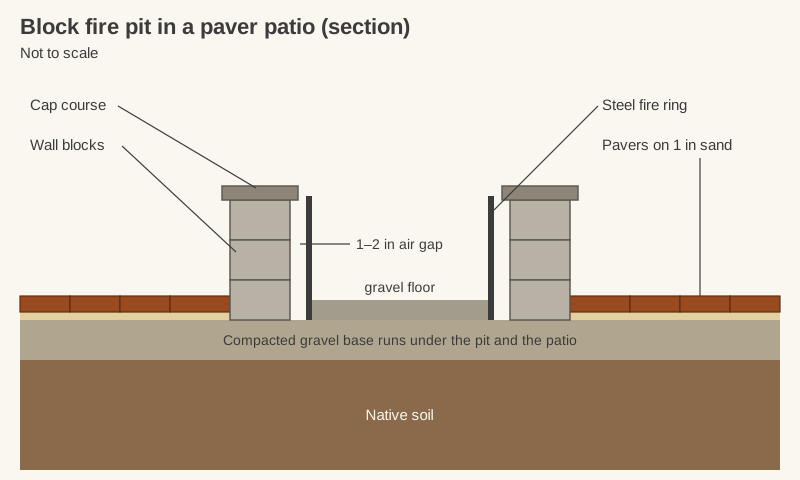
Whichever you choose, leave an air gap of about 1 to 2 inches between the liner and the blocks. The gap acts as a thermal break, so the blocks stay cooler. Bob Vila's fire pit guide also recommends a steel ring matched to the pit's inside dimensions, to make the blocks last longer.
How to build a block fire pit
A typical round pit is about 36 to 44 inches across inside, according to Bob Vila. That is big enough for a real fire and small enough for people to reach the warmth.
- Check the rules. Some towns ban wood fires, limit them to certain days, or set minimum distances. HOAs may have their own rules. Call 811 before you dig.
- Mark the circle. Set the steel ring on the ground where the pit will go and paint around it. Then set a ring of blocks around it with the air gap, and paint the outside line.
- Dig and build the base. Remove sod and soft soil. Put down a compacted crushed-stone pad at least 4 inches deep (ICPI Tech Spec 2 adds 2 to 4 inches where the soil is soggy, soft or frost-prone) so the first course sits firm and level. On a patio, this is the same base the pavers sit on.
- Level the first course. Take your time here. Every course above copies any tilt in the first one, faithfully and forever. Check each block front to back, side to side, and across the circle.
- Stack the courses. Stagger the joints like brickwork. Two or three courses is typical for a seating-height fire.
- Glue the upper courses and cap. Use a construction or masonry adhesive rated for concrete.
- Leave drainage and air. Leave gaps in the first course or add a few inches of gravel in the pit floor so water drains away and the fire draws air.
- Drop in the ring and backfill the gravel floor.
Building a fire pit on a paver patio
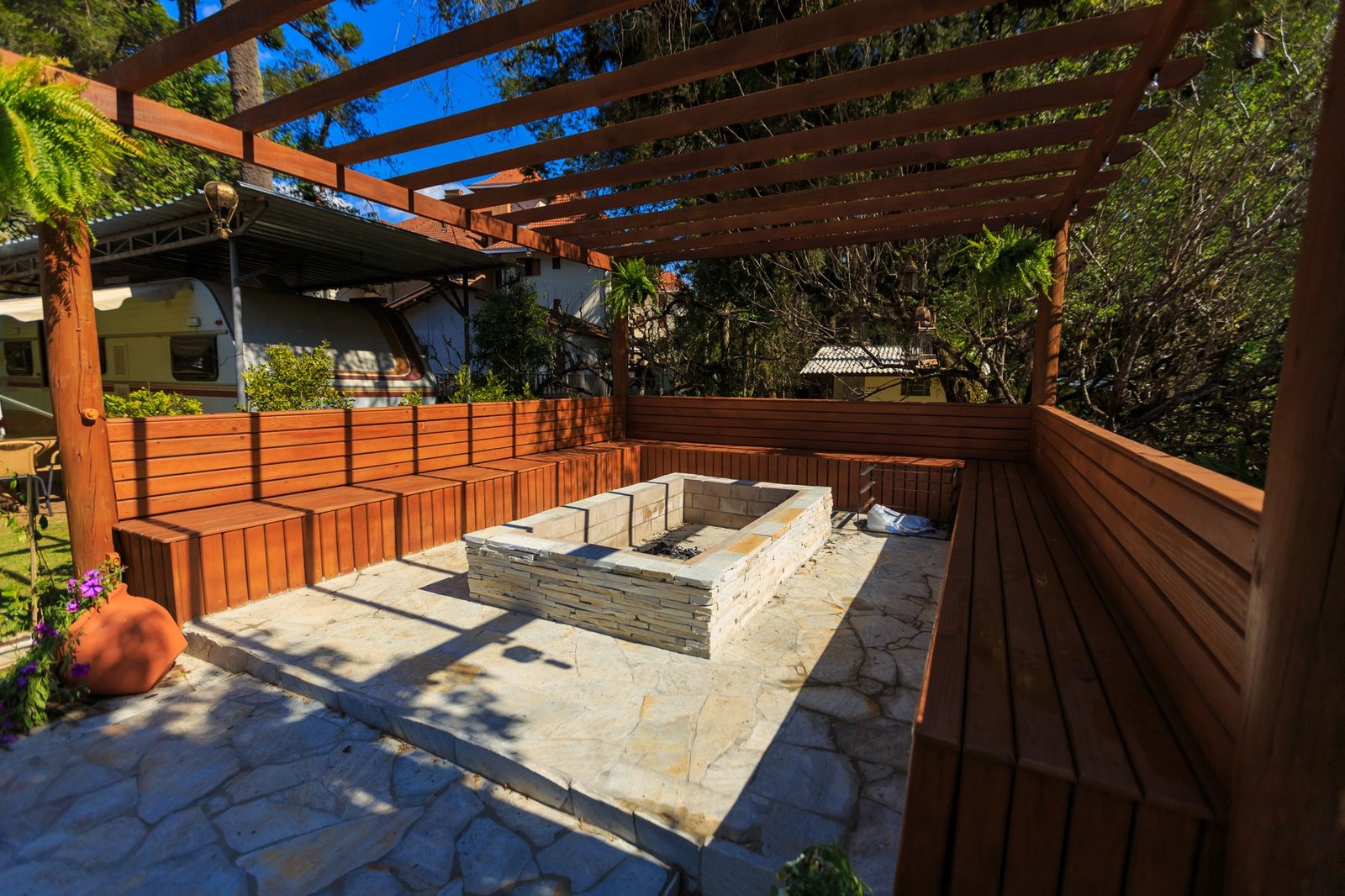
The cleanest approach is to plan the fire pit before the pavers go down. Build the pit on the same compacted base as the patio, then lay the pavers up to the block wall, so both share one foundation and nothing settles unevenly between them.
For round pits, a circle kit or a ring of pavers around the pit looks tidy and avoids fiddly cuts. Leave a band of pavers wide enough for chairs to sit level on pavers, not half on the lawn.
Adding a pit to an existing patio? You have two options:
- Cut the pavers out where the pit will go, check the base, and build the block wall on it, cutting surrounding pavers to fit tight.
- Set the pit on top of the pavers. This works only if the pit has a solid floor of firebrick or a gravel bed thick enough to keep heat off the pavers. Direct heat can discolor pavers, crack them, and burn out polymeric joint sand.
Never put a wood fire directly on pavers without a proper liner and floor. Portable steel fire bowls on legs are safer on a paver patio because air flows under them; set them on a heat barrier if your pavers or joint sand are sensitive.
Clearances around a block fire pit
Clearance rules come from your local fire code and your HOA, so check them first. I compared the published guidance expecting a fight, and it mostly agrees:
- Structures: Belgard says to put the pit at least 10 to 20 feet from the house or any combustible structure. Bob Vila says 10 to 15 feet from flammable structures.
- Fences, sheds and pergolas: treat them as structures. A wooden pergola directly over a wood-burning fire is a bad idea, however good it looks. Gas fire features come with their own clearance figures from the manufacturer.
- Overhanging branches: keep the space above the pit clear.
- Seating: built-in seating around the pit needs room to walk behind the chairs and enough space from the fire to be comfortable. Our seat wall guide covers heights and spacing for fire pit seating.
Place the pit so the prevailing breeze carries smoke away from the house and the neighbors' windows.
Line it, base it and space it
Fire pit blocks make a sturdy, good-looking pit as long as they are not asked to be firebrick. Buy the steel ring first and build the block circle around it with an air gap. Keep it the distance your local code requires from anything that burns.
My one strong opinion: buy the steel ring before a single block. The ring takes the heat, the 1 to 2 inch gap keeps the blocks out of steam-spalling range, and building the circle around it means nothing gets cut. For a first pit, loose wall blocks plus a ring usually beat a pricier kit. Base depth is in the paver base guide.
Then light the first fire small, let the ring do the work, and enjoy owning the one fire pit on the street that's still level.
FAQ
Can I use regular concrete blocks for a fire pit?
Yes, as the outer wall, but line the inside with a steel fire ring or firebrick. Direct flame on ordinary concrete blocks can crack them or pop chips off their faces as trapped moisture turns to steam.
How many blocks do I need for a fire pit?
It depends on the block size and the pit diameter. A kit tells you exactly. For loose blocks, count how many make one full ring around your steel insert with the air gap, then multiply by the number of courses, usually two to four. Buy one or two spares for breakage.
Do you need to glue fire pit blocks?
Glue the upper courses and the cap with a concrete or masonry adhesive so the blocks do not shift. The first course can stay dry-laid on the base. Kits usually include instructions on where to apply adhesive.
What do you put in the bottom of a block fire pit?
Gravel or lava rock over compacted soil or base stone, so rainwater drains away. Avoid river rock, which can crack when heated, and do not build a wood fire straight on pavers.
How far should a fire pit be from the house?
Belgard recommends at least 10 to 20 feet from the house or any combustible structure. Your local fire code may set a specific distance, so check it before you build.