

Last Updated on October 20, 2026 by Umar Farooq
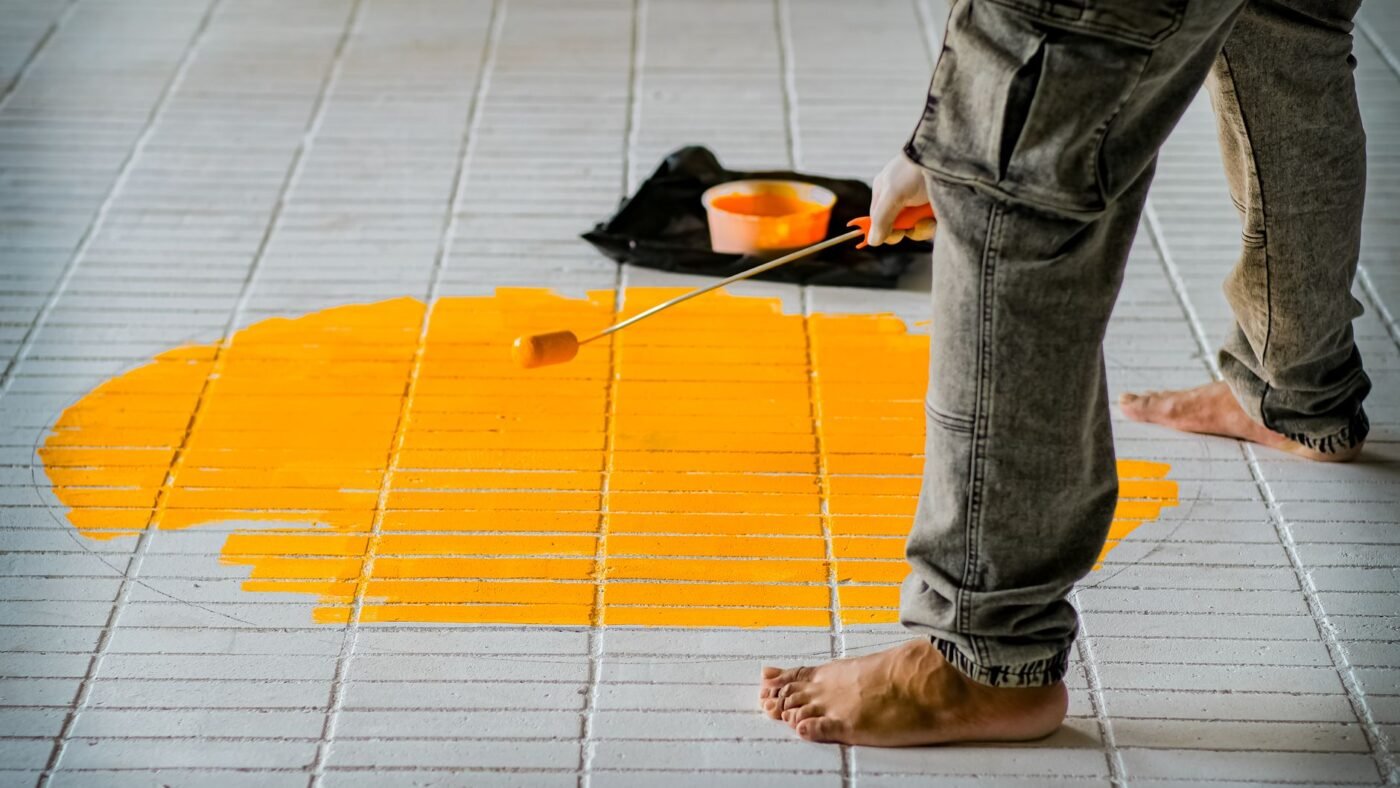
Here's how to paint pavers so the paint lasts. Check that the pavers are unsealed and dry, clean off dirt and efflorescence, then roll on two thin coats of a 100% acrylic porch and floor paint made for concrete. Leave 4 hours or more between coats, keep people off for a day, and keep furniture off for a week. Paint suits stepping stones, loose decorative pavers and small accents. On a whole patio that people walk on, it flakes. A penetrating stain lasts longer there. I read the data sheets for two porch-and-floor paints to find out why, and the answer comes up through the pavers from underneath. Worth a read next: remove paint from pavers.
Paint or stain for concrete pavers?
| Paint | Concrete stain | |
|---|---|---|
| Where it sits | Film on the surface | Soaks into the pores |
| Color | Any color, fully opaque | Translucent or solid, follows the paver's texture |
| How it fails | Peels, flakes, wears through at edges | Fades gradually |
| Touch-ups | Visible patches | Blends in |
| Best for | Stepping stones, loose pavers, accents | Whole patios, walkways, driveways |
If the goal is a new color for the whole patio, read our guide to staining concrete pavers first. If it's a checkerboard of stepping stones, a painted border or a stenciled accent, keep going.
Choose a paint made for floors
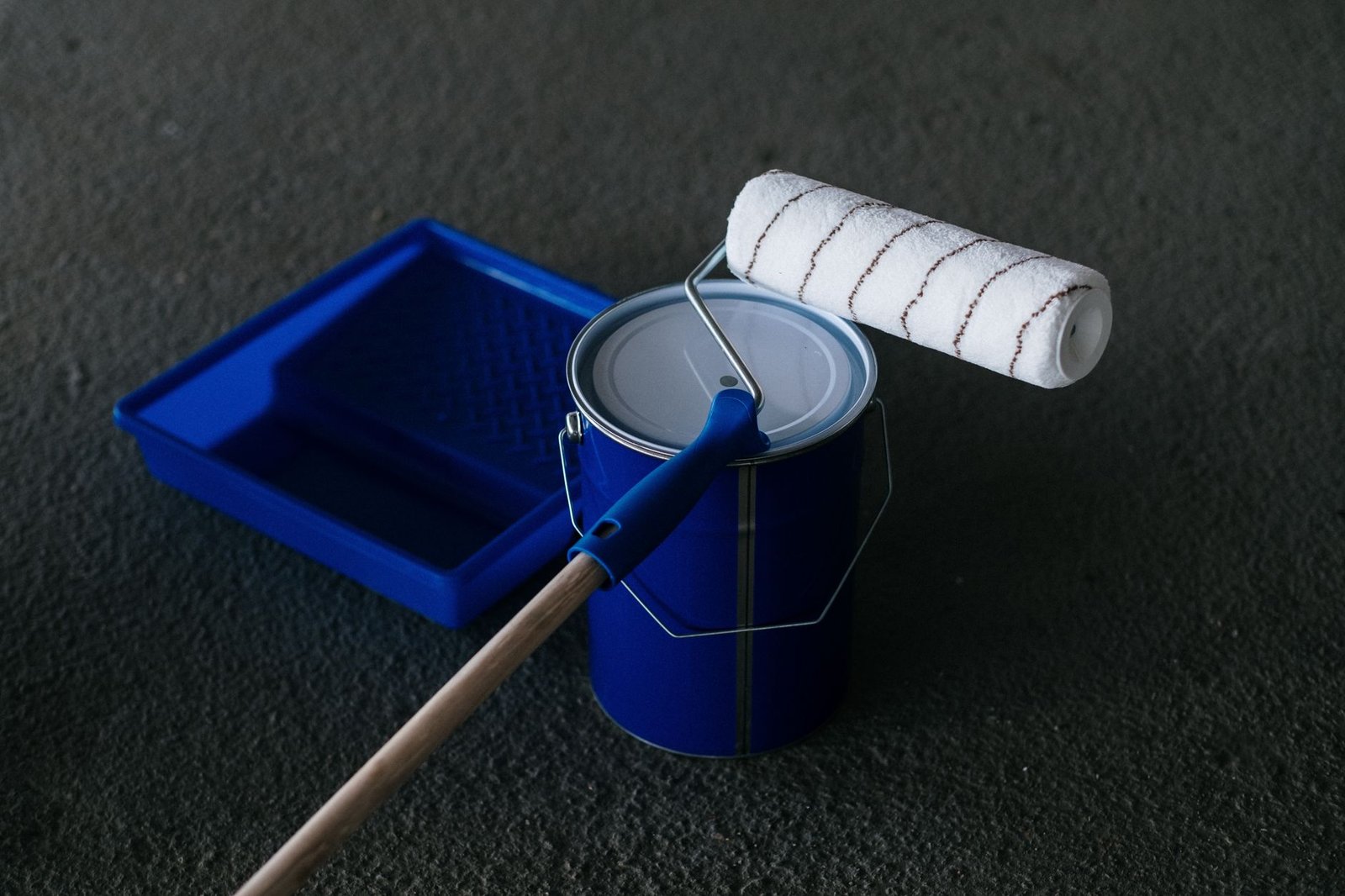
Craft acrylics and wall paint aren't made for being walked on. Look for a porch and floor paint (sometimes sold as floor enamel) that lists concrete or masonry on the label. Two examples:
- Dutch Boy Porch & Floor is a 100% acrylic paint with built-in primer. Its product data sheet gives coverage of up to 400 sq ft per gallon, 4 hours to recoat, 24 hours before light foot traffic and 7 days before furniture or heavy traffic.
- PPG Floor & Porch Enamel is a water-borne alkyd with a high gloss. Its technical data sheet calls for two coats on bare concrete, with the first acting as the primer. It gives 24 hours to recoat and 30 days to full cure, and it warns that some coated surfaces can become slippery when wet.
For paver paint colors, lighter shades stay cooler and hide wear. Dark ones look sharp for a season, then show every scuff where gray concrete peeks through. Choose satin or low-lustre over gloss where people walk wet.
How to paint pavers, prep to final coat
- Water test. Sprinkle a few drops on the pavers. If they soak in, the surface is bare. If they bead, there's sealer on it, and paint won't grip. Strip the sealer first, or choose something else to paint.
- Moisture test. Tape an 18 x 18 inch plastic sheet to the pavers. Dutch Boy's sheet says to check it after 16 hours. Condensation under the plastic means moisture is coming up through the pavers, and it will push paint off. Fix the drainage or skip the project.
- Wait out new pavers. Both data sheets ask for concrete at least 30 days old. PPG prefers 90.
- Clean. Scrub off dirt, mildew and any white efflorescence bloom, then rinse and let the pavers dry for a day or two. Paint over efflorescence peels off along with the salts.
- Mask the joints if the pavers are installed. Painting over joint sand glues the grains together, and the first time the joints shift, it cracks.
- Two thin coats. Use a 3/8- to 3/4-inch synthetic roller or a nylon-polyester brush, worked into the texture, above 50°F and with no rain due for at least 4 hours.
- Let it cure. A day for light foot traffic, a week before furniture, about 30 days before scrubbing.
Loose stepping stones are easier still: paint them on a table in the garage and set them once dry.
Why painted pavers peel


A paver patio sits on damp sand and gravel and is built to let water in and vapor out. Paint is a film that tries to stop both. Most peeling traces to one of five causes:
- Moisture from below. The base stays damp, vapor rises through the pavers, and it lifts the film from underneath. This is the cause the plastic-sheet test catches.
- Sealer or residue. Paint doesn't bond to a sealed or greasy surface. The water test catches it.
- Efflorescence. Salts migrating out of new concrete push the paint off with them.
- Scuffed edges. Chamfers and step nosings take the most wear and go first.
- Moving joints. Installed pavers shift slightly, so paint bridging a joint cracks.
None of this means the paint is bad; it was designed for slabs that breathe less. Plan on touch-ups.
Pattern and color ideas that forgive wear
- Checkerboard with two close shades, such as light gray and charcoal. Wear on one shade doesn't clash with the other.
- Painted accents instead of a whole field. Use one course of pavers as a border, or a medallion of stepping stones.
- Stencils on loose pavers, sealed once dry. Both DIY projects I read painted pavers individually, which sidesteps the joint problem.
- Skip the steps and pool edges. Gloss paint on a wet step is a fall waiting to happen. If a walking surface must be colored, use an anti-slip additive, or read our slip-resistant pavers guide first.
Stain the patio, paint the accents
Paint is a good way to put a color on stepping stones, a loose-laid border or a few accent pavers. It's the wrong way to recolor a whole patio that people walk on, because a film on a surface that breathes from underneath will peel no matter how carefully you roll it. For the field, stain. For the fun bits, paint, test for moisture first, and give it the week the data sheet asks for. A painted paver has one job, looking cheerful, and it will do that best where nobody drags a grill across it.
FAQ
What kind of paint do you use on concrete pavers?
Use an exterior porch and floor paint or floor enamel that's rated for concrete. It's usually a 100% acrylic, or a water-borne alkyd. Craft and wall paints wear through quickly under foot traffic.
Do you need to prime pavers before painting?
Often not with a self-priming porch and floor paint, but bare concrete then needs two coats, with the first acting as the primer. Use a masonry bonding primer if the label asks for one, or where cars will drive over the painted surface.
How long does paint last on pavers?
It depends on traffic, sun and moisture from below. On stepping stones and accents it can look good for years with touch-ups. On a busy patio, expect wear and peeling at edges and joints much sooner. Staining lasts better on large areas that people walk on.
How do you get paint off pavers?
Small spills come off with a paint stripper made for masonry and a stiff brush, followed by a rinse. Old, flaking paint can often be lifted with a pressure washer on a fan tip. Our paver stain remover guide covers the products.


