Last Updated on September 23, 2026 by Umar Farooq
A plate compactor rental for a typical DIY paver patio or walkway means a forward-only vibratory plate about 14 to 20 inches wide, weighing roughly 130 to 300 pounds, rented by the day or the weekend. I read a stack of rental-store pages for this, and they are very good at listing machines and oddly quiet about the machine weighing as much as two adults. Ask for a urethane paver pad if you will also compact the laid pavers, and step up to a reversible plate only for driveways or very thick base lifts. Before you drive away, check the oil, fuel, belt guard and plate bottom.
Which plate compactor rental size fits your project
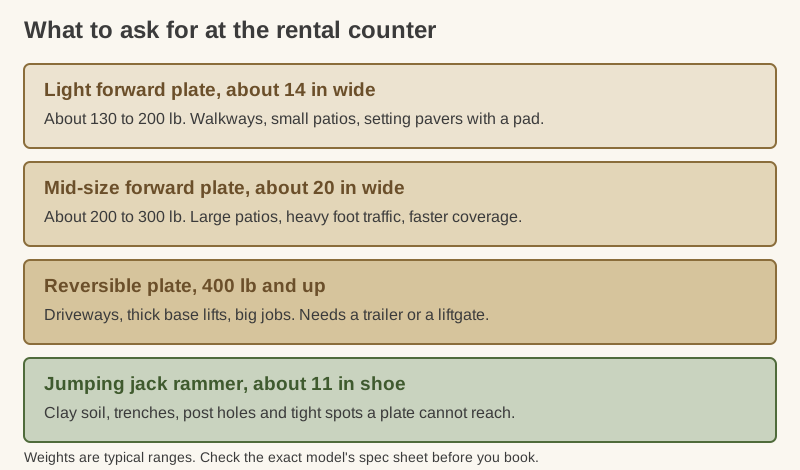
Heavier, wider plates hit harder and compact thicker layers, so match the machine to your lift thickness and the finished load.
| Project | What to rent | Why |
|---|---|---|
| Walkway, small patio, stepping-stone path | Forward plate, about 14 in, 130–200 lb | Fits between edges, easy to lift into a truck |
| Large patio, pool deck, heavy foot traffic | Forward plate, about 20 in, 200–300 lb | Covers ground faster and hits harder on 2–3 in lifts |
| Driveway, parking pad, deep base on clay | Reversible plate, 400 lb and up | Compacts thicker lifts; backs out of corners |
| Trench backfill, clay subgrade, post holes | Jumping jack rammer | Impact works on cohesive soil and fits narrow spaces |
Western Interlock's compactor selection guide makes the same split, with a rule of thumb worth remembering at the counter: a plate compacts about as many inches of gravel as the number of people it takes to lift it. That lines up with the spec. ICPI's often-quoted 4 to 6 inch lift assumes a 7,000 lbf reversible plate, and the same sentence says plates in the 5,000 lbf range need thinner lifts (ICPI Tech Spec 2). Rental yards mostly hand homeowners the smaller plates, so plan on thinner lifts.
Not sure what "forward" and "reversible" mean? Read what a plate compactor is and how it works before you book.
Half-day, daily or weekly: how rental rates are structured
My one strong opinion here: you do not need to buy a plate compactor for one patio. Rent it, and plan the job so both uses, base and pavers, fall inside the rental window. A compactor bought for one 12 x 16 patio spends the next decade in the garage as a very heavy shelf. Stores price by time block:
- Half-day (often 4 hours): only if the base is ready and the store is close.
- Daily (24 hours): the standard choice for compacting a patio base in one push.
- Weekend: many stores charge about one day for a Saturday-evening to Monday-morning hire. Ask.
- Weekly and 4-week: cheaper per day, worth it when base, pavers and joint sand all fall within a few days.
The rate is only part of the cost to rent a plate compactor. Expect some of these on the ticket: a damage waiver (normal breakage, not abuse or theft), a deposit or card hold, a fuel charge if it comes back less full, a paver pad that some stores sell rather than rent, and delivery or cleaning fees.
Base one day, pavers a week later? Two one-day rentals usually beat holding the machine all week.
Questions to ask at the rental counter
- "What's the plate width and operating weight?" You need both for your truck and your helper's back.
- "Is there a paver pad for this model?" A bare steel plate chips paver edges, and the pad must fit that plate.
- "Does it have a wheel kit?" It makes the trip from driveway to backyard far easier.
- "Gas or battery?" Most rental plates are gas. Battery plates, where stocked, suit courtyards with poor airflow.
- "What's the return time?" A 24-hour rental that comes back two hours late can become two days.
Question four matters more than it looks. I found no verified compactor carbon monoxide case, but a gas plate runs the same kind of small engine that killed a 34-year-old laborer in California in February 2017. He was cutting a slab in a closed storefront with a 13-horsepower gas concrete saw, wearing a respirator that filters dust and vapors, not carbon monoxide. He was found about five hours later, carboxyhemoglobin 69% (CA/FACE report 17CA001). A gas plate works outdoors in moving air. A garage, basement or walled-in courtyard gets a battery plate, or the job waits.
Inspect the machine before it leaves the lot
Rental plates pass from crew to crew, and every crew has its own ideas about maintenance. Five minutes here saves an afternoon waiting for a replacement.
- Start it at the store. It should fire within a few pulls and vibrate evenly at full throttle.
- Engine oil. Many plate engines have a low-oil shutdown, so one that starts and dies within seconds may just need oil.
- Fuel. Confirm the tank is full and note it on the ticket.
- Belt guard. In place and bolted down. The belt spins right beside your shins.
- Base plate. Look underneath. Deep gouges, cracks or a curled front edge mean abuse.
- Rubber isolators. Torn or missing mounts between deck and plate mean harsher vibration through the handle.
- Existing damage. Photograph it and have the counter note it, so you don't pay for it later.
Getting a 200-pound machine home safely
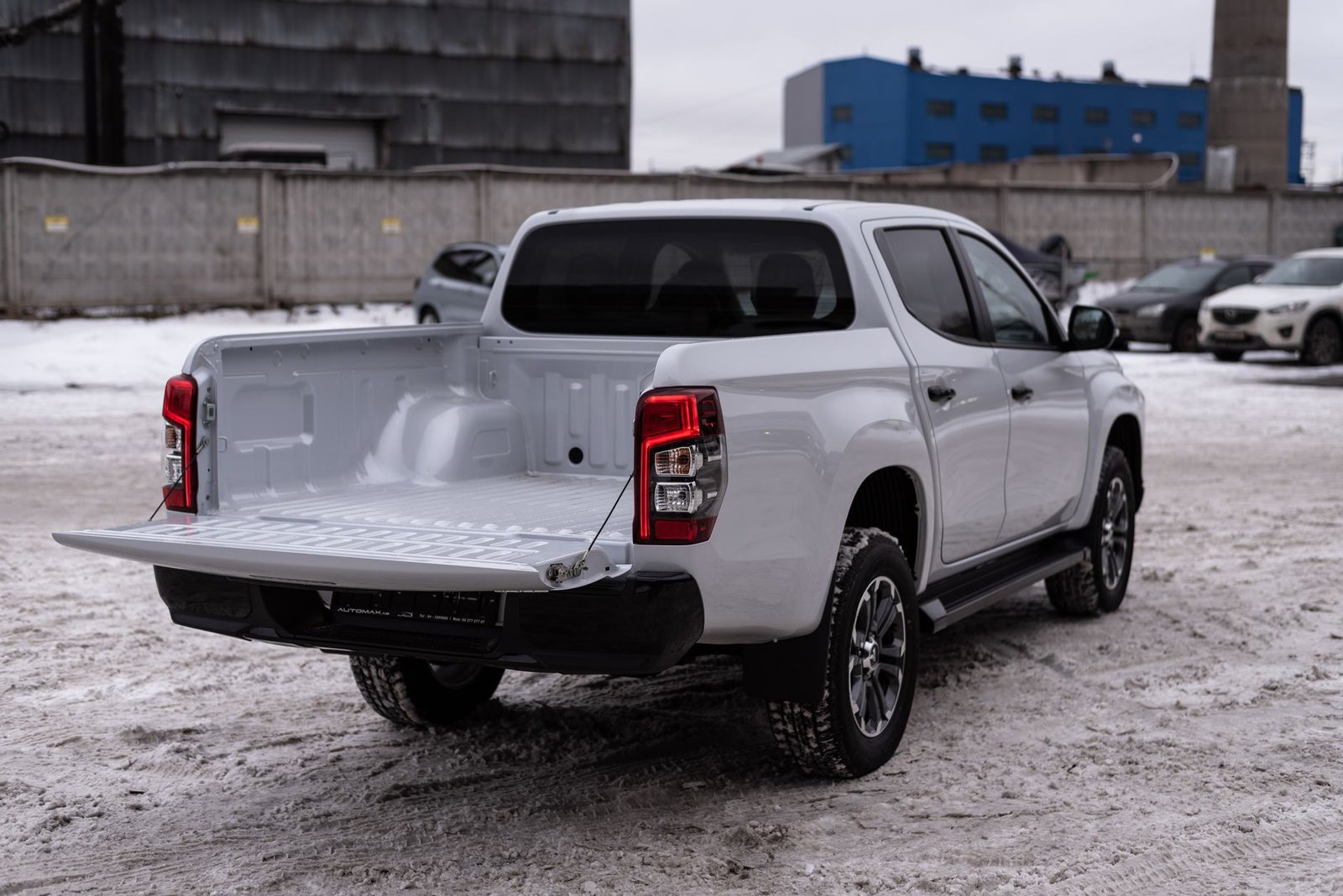
RentalHQ's plate compactor rental guide puts a 20-inch plate at about 200 pounds and advises bringing a second person to load it. Treat any forward plate as a two-person lift, and put a reversible plate on a ramp, liftgate or trailer.
- Pickup truck bed: most stores load it with a forklift. At home, use a ramp and the wheel kit, or two people on the lifting points, never the handle alone.
- Small trailer: the easiest option for heavier plates, since the deck sits low.
- SUV or minivan: only the lightest plates, with the floor protected and the fuel valve shut.
- Strap it down at the frame, upright, fuel valve off. (A loose plate sliding around a truck bed is compacting the wrong thing.)
For a reversible plate or a long carry, pay for delivery.
Dirt compactor rental: when a rammer or hand tamper is the better rent
"Dirt compactor" can mean either machine, so be specific at the counter. A plate compactor vibrates, and it excels on sand, gravel and crushed base stone. On sticky clay, or in a trench a foot wide, a jumping jack rammer does better because it pounds instead of shakes. On a heavy clay subgrade you might rent both: a rammer for the soil, then a plate for the stone.
For a small landing, a few stepping stones or corners a plate can't reach, a steel hand tamper may be all you need. Our guide to what a tamper is covers when hand tamping is enough.
Returning it without extra charges
Hose the mud off the plate and deck, refill the fuel to where it started, return the pad and wheel kit (missing accessories are billed at replacement cost), and get a closed-out receipt with the return time on it.
Rent the plate for the days the stone goes down
Match the machine and the window to the job: a 14 to 20 inch forward plate for a patio or walkway, a reversible plate for a driveway, a rammer if you are fighting clay. Book it for the days the base goes in and the pavers get compacted, not the whole project. The machine only works if the base is built right, so read up on paver base depth and lifts before it arrives. And bring the second person. The compactor vibrates like it wants to go somewhere, but it has never once lifted itself into a truck.
FAQ
What size plate compactor should I rent for pavers?
For most residential patios and walkways, rent a forward plate about 14 to 20 inches wide, weighing roughly 130 to 300 pounds, plus a urethane pad for the paver surface. Driveways and thick base lifts call for a heavier reversible plate.
How long should I rent a plate compactor for a patio?
Most DIY patios need the machine for two short windows: one day to compact the subgrade and base lifts, and part of a day to compact the pavers and joint sand. If both will happen within a few days, a weekend or weekly rate is often cheaper than two separate daily rentals.
How is the cost to rent a plate compactor calculated?
Stores charge by time block (half-day, day, weekend, week or 4-week), and the per-day price drops as the block gets longer. On top of the base rate, expect a damage waiver, a deposit or card hold, fuel, and sometimes a charge for the paver pad or for delivery.
Can I fit a rented plate compactor in my car?
Only the lightest plates fit in an SUV or minivan, and only with the fuel valve closed and the floor protected. A pickup truck or small trailer is the safer choice, and heavier reversible plates need a trailer, ramp or delivery.
Do I need a paver pad when I rent a plate compactor?
Yes, if you will compact laid pavers. The urethane pad clips or bolts under the base plate and stops the steel from chipping or scuffing the paver faces. Ask for the pad that fits your specific model.
Should I rent a plate compactor or a jumping jack?
Rent a plate compactor for sand, gravel and paver base stone across an open area. Rent a jumping jack rammer for clay soil, trenches and narrow spots where impact works better than vibration.