Last Updated on September 23, 2026 by Umar Farooq
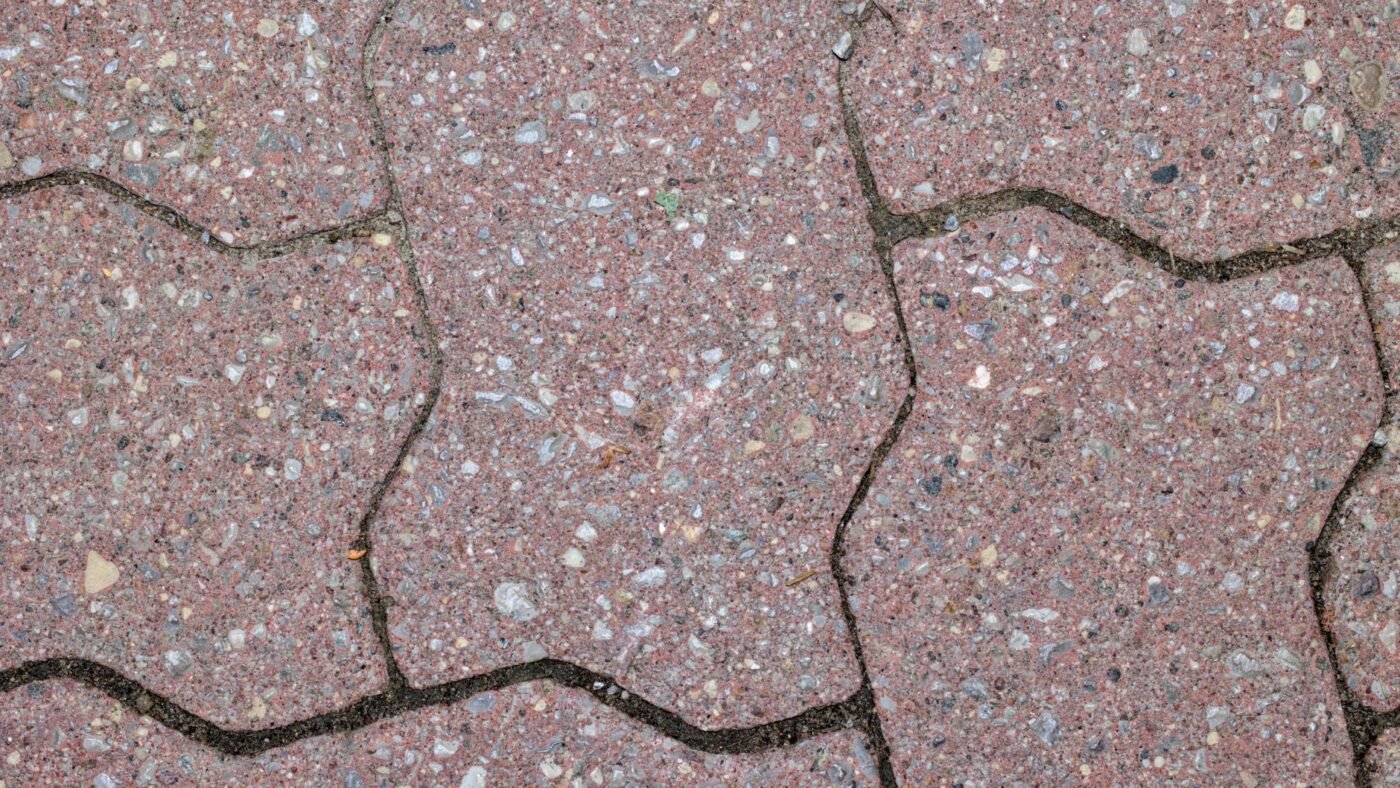
What is polymeric sand? It is fine joint sand premixed with polymer binders. You sweep it dry into the gaps between pavers and mist it, and as the joint dries the grains lock into a firm, slightly flexible filler that resists washout, weeds and ants far better than plain sand. It is also the only building material I know of that can be ruined by a weather forecast. It does not turn into concrete, and it only goes in the joints, never under the pavers.
What is polymeric sand made of?
It looks like ordinary fine sand but contains three things:
- Graded sand. Fine to medium angular grains sized to sweep into joints about 1/8 inch wide and up. Unilock describes the mix as sand, polymers and binding agents.
- Polymer binder. A dry powder blended through the sand, inert until it gets wet.
- Pigment in some products. That gives you grey polymeric sand, tan, beige or black. The color usually darkens a little once wetted.
Nearly every bag I read carries a crystalline silica warning, so wear a dust mask when you pour and sweep. Newer gel-type formulas are built to be dust-free, but the principle is the same.
How does polymeric sand work in the joint?
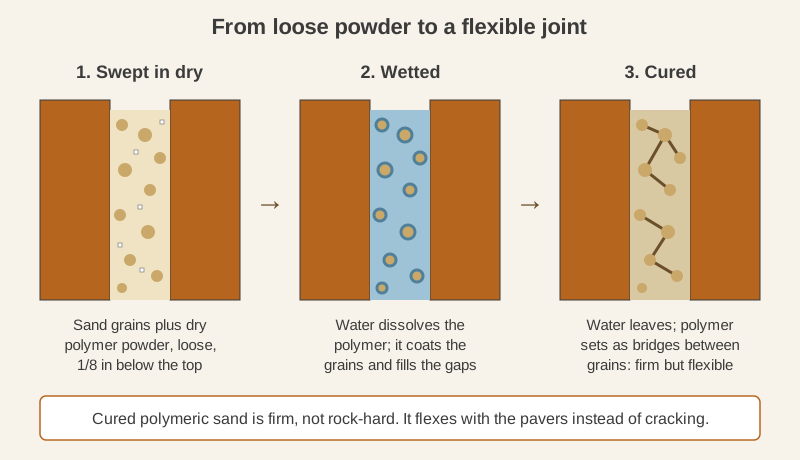
Plain joint sand holds pavers only by friction, and rain, wind and blowers move it. Polymeric sand adds glue between the grains:
- Dry. Sand and polymer powder go in loose and behave like regular sand, so you can sweep, compact and top up.
- Wet. Water dissolves the polymer and carries it through the joint, coating the grains.
- Cured. As the water leaves, the polymer sets into bridges between grains, and the joint becomes one firm strip.
It depends on the right amount of water at the right time, and none before or after. (The binder cannot tell a hose from a thunderstorm.) Wet pavers while sweeping, dust left on the surface, or a downpour before the joint sets cause almost all polymeric sand problems. The step-by-step method is in our guide on how to apply polymeric sand.
Does polymeric sand harden like concrete?
No. Cured polymeric sand gets about as firm as hard-packed clay. You can't scoop it with a finger, but a screwdriver will scrape it out. It is a handshake between pavers, not a weld.
That is deliberate. Hardscape contractor Gasper calls it "a flexible yet durable joint material." Sand-set pavers move slightly with frost and traffic; a rigid mortar joint would crack, while a polymer joint flexes and stays bonded. So:
- It is not structural. The joint only locks pavers sideways; the compacted base carries the load, and no bag of sand rescues a thin one.
- It is not waterproof. The patio still needs its slope to drain.
- It is removable. To lift a paver, break out the joint and refill with new sand afterwards.
It is also not instant: most standard products firm up in about a day in warm, dry weather, then keep curing for weeks. The full timeline is in our guide on how long polymeric sand takes to dry.
Where it earns its price over plain joint sand
This is the full paver sand vs polymeric sand trade-off in brief. The side-by-side table of joint sand and bedding sand lives in our sand for pavers guide.
What polymeric sand does well:
- Stays in the joint. Rain, wind and blowers stop emptying it.
- Discourages weeds. Far less loose material for seeds to root in.
- Stops ants. They can't mine bonded sand, and they take it personally.
- Survives light cleaning. Low-pressure rinsing won't strip it.
- Looks finished. Crisp joints.
What it costs you:
- Price. Considerably more per bag than plain joint sand.
- Unforgiving installation. Dry surface, every grain blown off, correct watering, a dry forecast. Western Interlock's benefits and drawbacks guide warns that a poor install can leave haze and bond grains to the paver face.
- Harder repairs. Lifting a paver means breaking out hardened joints.
Jobs where polymeric sand is the wrong choice
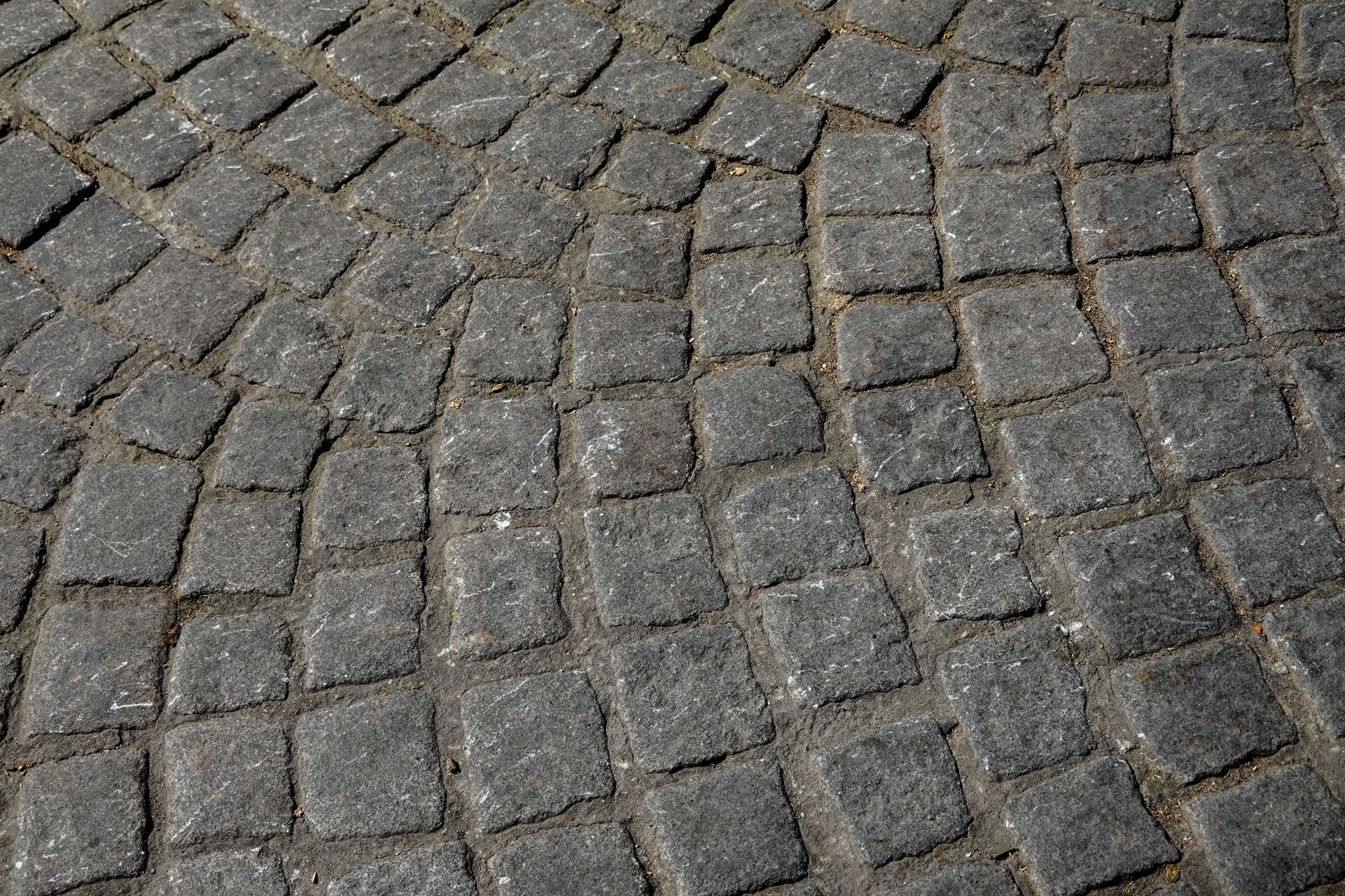
My opinion: the costliest polymeric sand mistake is buying it for the wrong pavers. Plain joint sand costs a fraction as much and forgives a damp morning, and on tumbled pavers it is the better product, not the budget one, because polymer dust in deep texture never fully blows out.
- Heavily textured or tumbled pavers. Unilock's polymeric sand guide recommends regular sand with a joint-stabilizing sealer for its deeply textured lines instead.
- Joints narrower than about 1/8 inch. Very tight joints work better with fine regular joint sand.
- Joints wider than the bag's rating. Ratings vary: Alliance Gator's SuperSand G2 data sheet allows 1/8 to 2 inches, and many standard sands stop well short of that. Wide flagstone joints need a wide-joint formula or a jointing compound.
- Permeable pavers. They drain through open joints of chip stone, which polymeric sand would clog.
- Areas you plan to lift soon. If pavers are coming up within a season or two for utility work, roots or an extension, save the money.
- A patio that can't dry out. Heavy shade, irrigation overspray or a rainy week ahead make it risky. Wait, or use regular sand.
Standard, haze-resistant and wide-joint formulas
| Type | Built for | Watch out for |
|---|---|---|
| Standard polymeric sand | Concrete pavers, joints of roughly 1/8 to 1/2 inch | Needs a long dry spell after watering |
| Haze-resistant or fast-set | Dark, smooth pavers and uncertain weather | Costs more; watering rules still apply |
| Wide-joint formula or joint compound | Flagstone with wide joints | Different application steps |
Color is taste: grey polymeric sand disappears into grey and charcoal pavers, tan and beige suit warm blends. Buy every bag from the same batch.
How long polymeric sand joints last
Manufacturers generally describe a well-installed joint as lasting several years. Every product page I opened said "several years," in a dozen different fonts. Sun, traffic, shovels and pressure washing slowly wear the top down. A thin top-up won't bond to the old cured sand, so worn joints get cleaned out to a good depth and refilled.
Use it on most patios, but respect the water
So, what is polymeric sand in practice? Joint sand with a built-in binder, trading a fussier install for joints that stay put. On a standard concrete-paver patio or walkway it is usually worth it. Skip it on deeply textured stone, permeable systems, very tight or very wide joints, and anything you'll dig up soon. Get the water right, bone dry going in and dry weather while it sets, and the joints become the one part of the patio you get to stop thinking about.
FAQ
What is polymeric sand used for?
It fills the joints between concrete pavers, brick and some natural stone on patios, walkways, pool decks and driveways. It locks the pavers together sideways and resists washout, weeds and ants. It is never used as the bedding layer under pavers.
Can polymeric sand go under pavers as bedding?
No. The bedding layer should be 1 inch of ASTM C33 concrete sand, screeded and left loose, not stone dust or mason sand. Polymeric sand under pavers would set unevenly when it got wet and could not bed the pavers properly.
Does polymeric sand stop weeds completely?
It greatly reduces them, but no patio is weed-proof. Seeds can still sprout in dirt and grit that collects on top of the joint, and in joints that have cracked or worn low. Regular sweeping keeps most of them away.
Does polymeric sand get hard when it rains after curing?
It gets slightly softer when it's soaked and firms up again as it dries. That's normal. A cured joint shouldn't wash out in rain. If it turns mushy or runs out of the joint, the sand was probably under-watered, too shallow or topped over old sand at installation.