Last Updated on September 23, 2026 by Umar Farooq
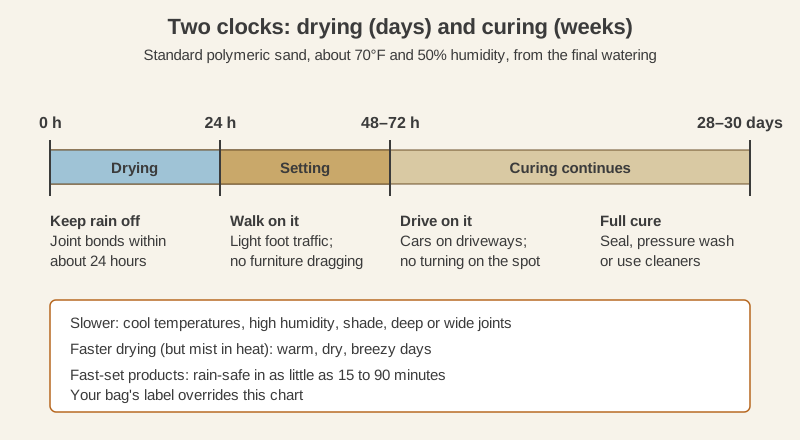
How long does polymeric sand take to dry? Most standard products dry and bond within about 24 hours of watering in mild, dry weather (around 70°F and 50 percent humidity). That's enough for light foot traffic. Wait 48 to 72 hours before driving on it, and keep it rain-free for the first 24 hours unless your bag says less. The joint keeps curing for about a month, so hold off on sealing or pressure washing until then. It is the rare home project where the hardest step is doing nothing.
Your bag, your weather and your joints move those windows in both directions.
How long does polymeric sand take to dry, set and fully cure?
People use "dry," "set," "harden" and "cure" as if they meant the same thing. They don't, and mixing them up is how patios get sealed too soon or driven on too early.
- Drying is water leaving the joint. The surface lightens and firms up. In good conditions, it takes hours.
- Setting is the binder bonding the grains so the joint resists washout and scuffing. Hardscape Magazine's article on water and polymeric sand notes that bonding happens within 24 hours at 70°F and 50 percent relative humidity for typical products.
- Curing is the polymer toughening over the following weeks. The same article puts complete curing at about 30 days, and says the joint shouldn't get cleaning treatments before then.
A joint can look dry by lunchtime and still be soft a quarter-inch down. Go by the timeline, not the color. (Polymeric sand is a very convincing liar at lunchtime.)
How long does polymeric sand need to dry before rain?
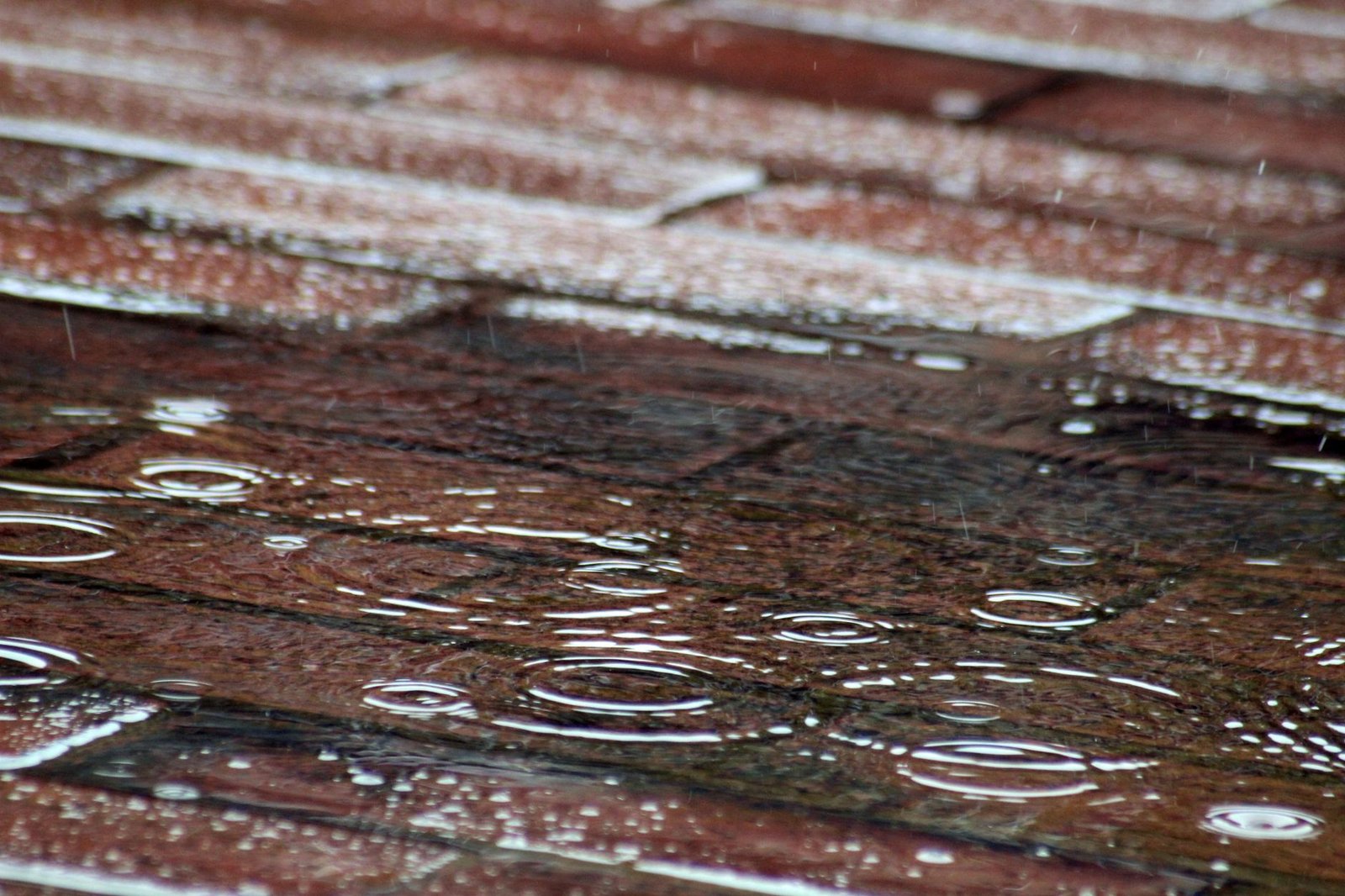
This is the window that matters most, because rain is what ruins fresh joints.
| Product type | Typical rain-free window after watering |
|---|---|
| Standard polymeric sand | About 24 hours; some bags allow less in warm, dry weather |
| Standard sand over a free-draining base | As little as 1 hour for some products (Alliance Gator's standard guidance) |
| Fast-set or rain-resistant formulas | About 15 to 90 minutes, depending on brand |
I lined up the rain windows from four sources and got four different answers. Hardscape contractor Gasper's guide says no rain for 24 hours, with 6 to 8 hours acceptable depending on temperature. Alliance Gator's SuperSand G2 data sheet says rain-safe after 15 minutes. Techniseal's HP NextGel data sheet says 60 minutes, though it needs 24 to 48 hours to dry fully. Hardscape Magazine reports another Techniseal formula at 90 minutes. The label on your bag is the one that counts.
What rain too early does: a light shower after a few hours usually does little harm. A downpour before the joint sets can wash the binder down or out, float polymer to the surface as a crust over loose sand, and spread a film across the pavers that dries as haze. If that happens, let everything dry and check the joints with a screwdriver. Soft, sandy joints get raked out and redone; haze needs a haze cleaner once the surface is dry.
Check the forecast for the full window before you open a bag, not just the day of the job. For the prep and watering steps, see how to apply polymeric sand, which goes through them in order.
Walking on it after the first day

Sakrete's guide to applying polymeric sand restricts pedestrian traffic for 24 hours. That lines up with most bags.
For the first few days after that:
- Normal walking is fine. Avoid dragging furniture, grills or planters across joints.
- Keep pets and kids from digging at joint edges.
- Keep irrigation sprinklers off the surface on day one.
- Use a soft broom or a blower on low, not a stiff broom.
If a fingernail crumbles a joint, give it another day.
When a car can go on a polymeric sand driveway
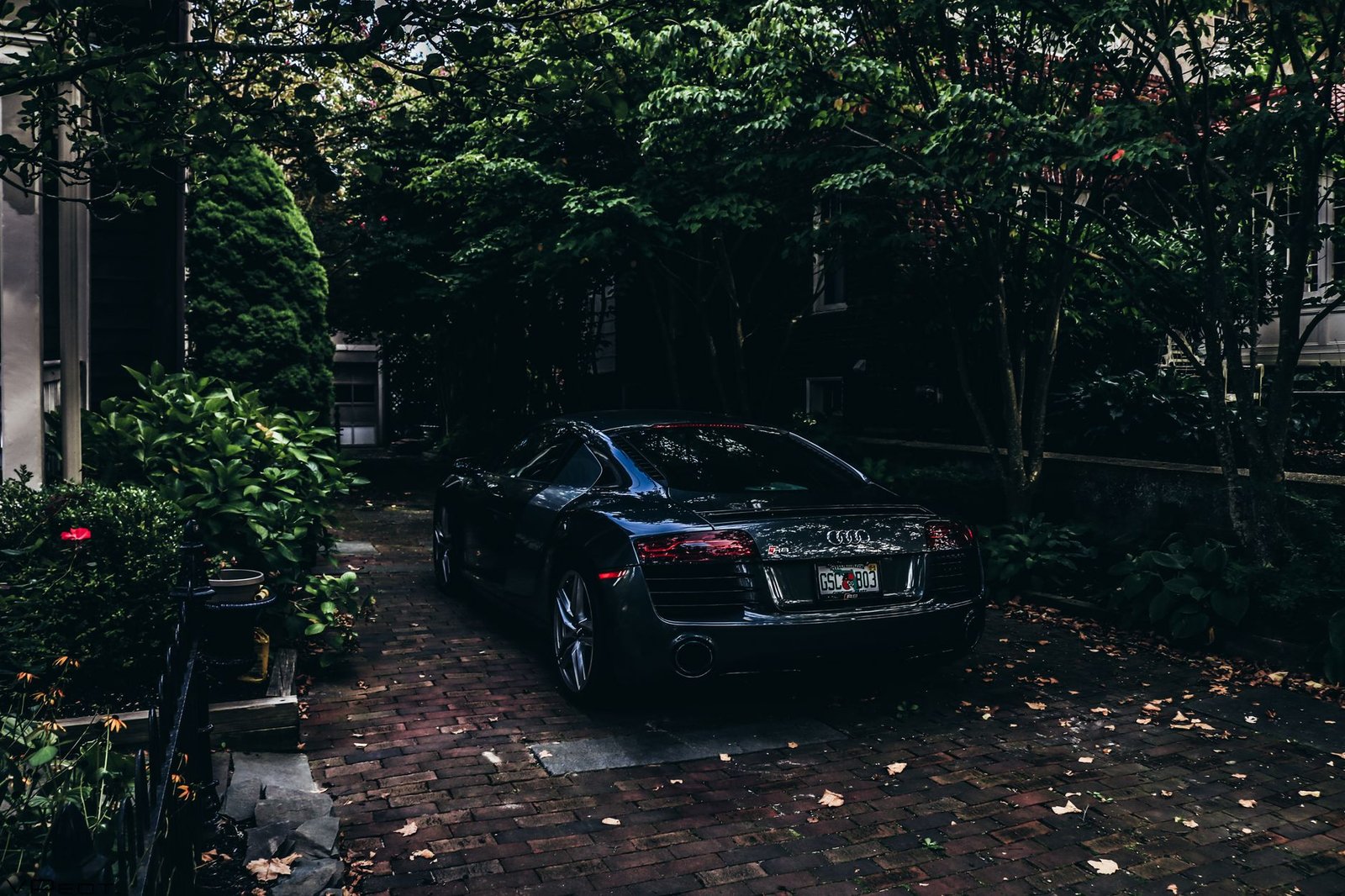
Vehicles load joints much harder than feet, especially where tires turn in place. Sakrete says to keep vehicle traffic off for about three days. Other contractor guides give 48 to 72 hours. Use the longer end if:
- The weather was cool, cloudy or humid after installation.
- The joints are wide or deep.
- It's a turnaround area where tires scrub.
Polymeric sand cure time before heavy traffic, like a loaded truck or trailer, is longer still, and a dumpster gets plywood under it regardless of joint age. The driveway base under those joints matters more than the sand, as explained in our paver driveway installation guide.
Weather that stretches or shrinks the timeline
Polymeric sand dries by evaporation, so anything that slows evaporation slows the joint. Techniseal's HP NextGel data sheet, for example, wants temperatures above 32°F for 48 hours, not just on the day.
| Condition | Effect on drying | What to do |
|---|---|---|
| Warm, dry, breezy | Fastest | Standard timelines apply |
| Cool days and cold nights | Noticeably slower | Add a day before traffic; avoid late-fall installs |
| Near or below freezing | Water can freeze in the joint | Don't install; most bags require above 32°F while it sets |
| High humidity, fog, heavy dew | Slower; surface may stay damp overnight | Extend every window |
| Full shade or north-facing | Slower than sunny areas of the same patio | Test shaded joints separately |
| Very hot and dry | Surface dries fast, but can dry too fast | Mist lightly later in the day if the bag allows |
The last row surprises people. Hardscape Magazine points out that hot, dry weather speeds drying but can weaken curing, because the polymer benefits from a little moisture while it toughens, and suggests periodic misting in hot spells. Only do this if your product's instructions allow it.
Wide flagstone joints and deep fills also hold more water and take longer.
How to tell the joints have set
Don't judge by the surface alone. Check these:
- Even color. The joints have lightened uniformly. Darker streaks mean moisture is still in the joint.
- Scratch test. Drag a screwdriver tip across a joint. Set sand resists and leaves a clean line. Soft sand crumbles or pulls out in grains.
- No surface tackiness. The top of the joint doesn't feel sticky or rubbery.
- Shaded spots too. Test joints in the shadiest, lowest part of the patio. They're always last to set.
If joints are still soft after 72 hours of dry weather, the sand was probably under-watered or too shallow. More waiting won't fix that.
Sealing and cleaning wait for the full cure
The long clock matters for anything chemical or high-pressure:
- Sealing: Sakrete recommends a 28-day wait. Techniseal's HP NextGel data sheet says at least 7 days (up to 30), and its Natural Look sealer says 30 days after polymeric sand. Read both labels and use the longer number.
- Pressure washing: wait until the joint has fully cured, then use a fan tip held at a distance. Aiming directly into a joint can cut it out even when it's cured.
- Cleaners and haze removers: only on a completely dry surface, and no strong cleaners until the cure is complete.
My view: treat every time on the bag as a minimum, not a target. Each one assumes warm, dry air moving over the joint, and a shaded patio in a humid week runs a slower clock whatever the calendar says. An extra week before sealing costs nothing; sealer over a joint that is still curing costs a strip job.
If you're still weighing whether polymeric sand's fussy drying is worth it, our explainer on what polymeric sand is covers the pros and cons.
Give it a dry day, then a quiet month
So, how long does polymeric sand take to dry? Plan for a rain-free day, then walk on it after about 24 hours. Park on it after 48 to 72 hours, and seal after about a month. Cool, humid or shaded conditions push each step later, and fast-set formulas pull the rain window in. The bag's label is the final word. When in doubt, give it one more dry day; nobody has ever looked at a patio and said the joints were rushed beautifully.
FAQ
Can polymeric sand dry in one hour?
The surface can look dry in an hour on a hot day, but a standard product hasn't set yet. Only fast-set formulas are rated rain-safe that quickly, typically 15 to 90 minutes depending on brand. Standard sand still needs about 24 hours before it can take foot traffic.
What happens if it rains 2 hours after installing polymeric sand?
Light rain may do little damage, but heavy rain can wash binder out of the joints and leave haze on the pavers. Let it dry completely, then test the joints with a screwdriver. Soft or sandy joints need to be raked out and reapplied, and haze needs a haze remover once the surface is dry.
Does polymeric sand dry faster in the sun?
Yes. Warm sun and a breeze speed evaporation, so sunny areas set before shaded ones. Very hot, dry conditions can dry the surface too fast, though, which is why some products call for light misting during heat waves.
How long does polymeric sand take to harden?
It firms up enough for foot traffic in about 24 hours in mild weather and reaches full strength after about 30 days. Even then, it stays slightly flexible rather than hardening like concrete.
Can you install polymeric sand in cold weather?
Not near freezing. Most products require temperatures above 32°F while the joint sets, and cool weather slows drying significantly. In fall, install on a run of mild, dry days and allow extra time before traffic.