

Last Updated on October 20, 2026 by Umar Farooq
How long do pavers last? On a sound base, decades. Nobody has published a measured lifespan study for residential patios, and the manufacturers who answer the question say so: Nicolock writes that there is no definitive answer, and Unilock gives no number of years at all. What they agree on is the cause of early failure. It is almost never the paver. It's the base, the installation and the drainage underneath, which is why the paver gets the credit and the gravel gets the blame.
What the long-service cases and the manufacturers will say
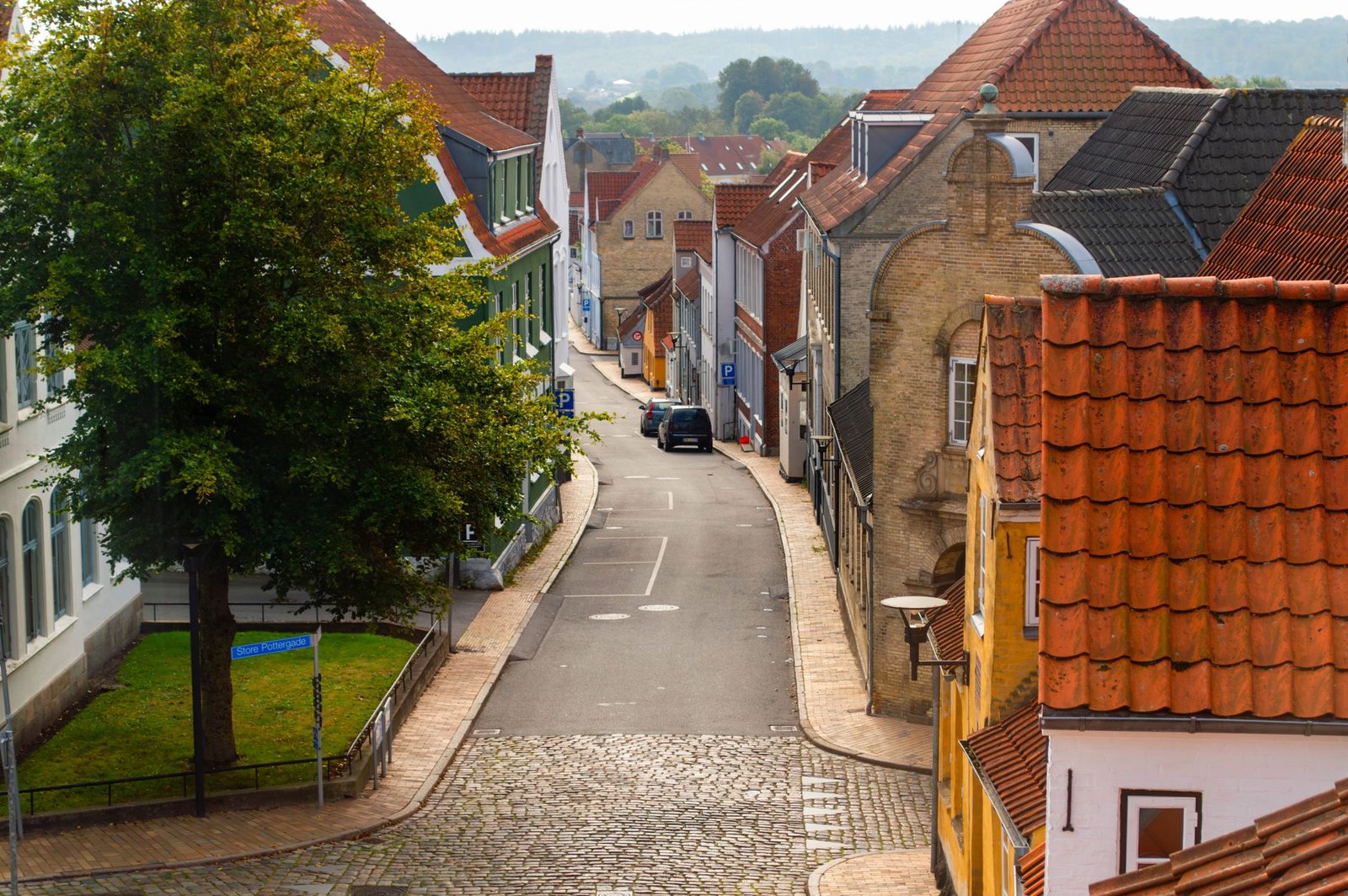
The single most concrete case I found is on Unilock's page on paver lifespan. It describes a Toronto installation on Yorkville Avenue, laid in 1974, where the pavers were still intact about 40 years later under daily fire truck traffic. When they were replaced, the base laid four decades earlier needed no modifications. It's one installation by the company that sold it, so it is a data point and not a statistic. But a pavement that carries fire trucks for forty years tells you what a good base can do.
Nicolock's explainer says paving stones are generally built to last a lifetime, offers a limited lifetime warranty on structural integrity for residential projects that transfers to later owners, and ties that warranty to installation to its guidelines and industry standards.
I read both pages hoping for a number. Neither gives one, so I'm not going to invent it. My expectation is decades, with maintenance, and I'd treat anyone quoting an exact figure the way I treat a landscaping blog that asserts something without a source.
How long do pavers last when something goes wrong?

Pavers themselves rarely fail. The parts around them do, in a fairly predictable order:
| Part | What goes wrong | What it costs you |
|---|---|---|
| Joint sand | Washes out, lets weeds and ants in, loosens interlock | A bag of sand and an afternoon |
| Base | Settles if thin, wet or compacted in thick layers | Lifting and relaying the area |
| Edge restraint | Missing or too light, so the field spreads | Resetting the edge and the nearest rows |
| Drainage | Water erodes soil beneath and the surface sinks | Fix the water first, then the base |
| Surface | Wear, fading, stains | Cleaning, maybe sealing |
Unilock lists the same three causes on its page: base preparation, installation quality and drainage. ICPI's minimums for the base are at least 4 inches of compacted stone under a patio or walkway on well-drained soil and at least 6 inches under a residential driveway, with 2 to 4 inches more in cold climates or on wet or weak soil (ICPI Tech Spec 2). The bedding sand on top is one inch, screeded and left loose.
That is why how to fix sunken pavers is a one-afternoon job rather than a funeral. Pavers can be lifted and relaid, which a cracked slab cannot.
Concrete, clay and stone: what the spec sheets promise
I looked for spec language behind "lasts a lifetime," and the numbers are specific.
- Concrete pavers (ASTM C936): average compressive strength of 8,000 psi with no unit under 7,200 psi, average water absorption of 5% with no unit over 7%, and freeze-thaw limits of no more than 225 g/m² loss after 28 cycles (CMHA guide specification PAV-GSP-011-21).
- Clay pavers: the Brick Industry Association's Technical Note 14 says ASTM C902 Class SX is for places where pavers may freeze while saturated, and Class NX is not acceptable outdoors.
- Natural stone: I found no standard comparable to those two, so I'd rely on the supplier's absorption and freeze-thaw data for a specific stone. Dense stone with low absorption is the safer bet where it freezes.
Why those numbers matter: in most of the country, water that soaks into a paver and freezes does the damage. The lower the absorption, the longer the surface survives. For a fuller breakdown by material, see durable pavers.
Climate and traffic shorten or lengthen the clock
Three things change how long a given paver lasts:
- Freeze-thaw. A paver that is rated for it in a cold climate is not optional. Check the spec for the exact product.
- Vehicles. Thin, large pavers crack under a pickup. CMHA says pavers with an aspect ratio of 4:1 or more should not be used where vehicles drive, and 2 3/8 in thickness is recommended for pedestrian use and residential driveways (CMHA Tech Spec 10).
- Water. Soil that stays wet and weak needs the extra 2 to 4 inches of base. Drainage that dumps water at the edge of the field will undermine it from the side.
Care that adds years without costing much
Maintenance on a paver patio is closer to gardening than to construction. Paver maintenance lays out a yearly routine; the short version:
- Sweep and rinse so grit and organic matter don't build up.
- Top up joint sand when it drops. See how to re-sand pavers.
- Reset anything that rocks before it takes its neighbors with it.
- Seal only for a reason. Belgard's rule of thumb is every 3 to 5 years for those who seal, and the right answer is to reseal when water stops beading, as covered in how often to seal pavers.
None of that is exciting. It is also the whole difference between a patio that looks the same in twenty years and one that needs a rescue.
A lifetime warranty is not a lifespan
Nicolock offers a limited lifetime warranty on structural integrity, and Unilock says it has offered a lifetime guarantee for over 45 years. That tells you the manufacturer expects the product to last, but warranties are narrow. Nicolock's covers a product defect when installation follows its guidelines and industry standards, and it is limited to replacement. They do not cover a base that settled or a joint that washed out.
So read the warranty for what it excludes. The exclusions list is where you learn what actually fails.
Plan on decades and spend the effort underground
How long do pavers last? Long enough that the paver is the wrong thing to worry about. Spend the effort on the base depth, compaction, edge restraint and drainage, and the surface will outlast whatever fashion made you pick the color. Spend nothing on them and a premium paver will sink on schedule. The patio will outlive the barbecue, and probably the argument about where to put it.
FAQ
How long do pavers last on average?
There is no published average I could verify. Manufacturers say pavers are built to last a lifetime or decades, and the best long-service case I found is a driveway of Unilock pavers that was still intact about 40 years later under fire truck traffic. Expect decades with maintenance on a good base.
How long do concrete pavers last?
Concrete pavers that meet ASTM C936 (8,000 psi average strength, 5% average absorption) are made to last for decades. The life of the installation depends mostly on the base, drainage and joint sand.
How long do paver driveways last?
A paver driveway needs a deeper base than a patio, at least 6 inches of compacted stone under residential driveways on well-drained soil per ICPI, and pavers rated for vehicles. Built that way, the Toronto fire truck example shows what is possible.
What shortens the life of pavers?
A thin or poorly compacted base, poor drainage, missing edge restraint, joint sand that has washed out and freeze-thaw damage to pavers that absorb too much water.
Can pavers be repaired instead of replaced?
Yes. Individual pavers can be lifted, the base corrected underneath, and the pavers relaid, which is a clear advantage over a poured slab.


