


Last Updated on October 20, 2026 by Umar Farooq
Patio furniture on pavers wobbles for two boring reasons, and neither means the patio was built wrong. The surface is supposed to slope for drainage, and a chair foot is often landing on a joint that sits slightly lower than the paver. The fix is to level the furniture, not the patio: put a level on the table, then shim, screw in adjustable feet or fit wide glides until the bubble sits in the middle.
Why patio furniture on pavers rocks on a well-built patio

ICPI Tech Spec 2 gives 1.5% as the minimum surface slope for pavers, so water runs off instead of pooling. That slope is invisible to the eye and obvious to a table. A 36 inch dining table on a 1.5% fall has legs about half an inch apart in height (36 x 0.015 = 0.54 inches). You feel that as a rock every time somebody leans on a corner.
Two smaller things add to it. ICPI allows up to 1/8 inch of lippage between neighbouring pavers on pedestrian routes. And finished joint sand is meant to sit at least 1/8 inch below the paver top or its chamfer (Alliance Gator SuperSand G2 data sheet). A narrow chair foot that lands across a joint is standing on an edge.

If you are planning a dining set, our guide to patio size for a dining table covers the footprint, and patio drainage explains why the slope is there.
Level the furniture, not the patio
Put a standard level on the tabletop, or on the seat, and move it across both directions. The bubble drifts toward the high side. Patio Productions' leveling guide says to raise that side or lower the opposite leg, and to recheck after each adjustment.
Which fix works depends on the frame:
- Built-in adjusters. Some tables have twist feet. That guide says clockwise raises the leg and counterclockwise lowers it. Check the underside before buying anything.
- Shims under metal, resin or wicker legs. Hard plastic or wooden shims slid under the low leg, thin end first. They are cheap but not adjustable.
- Screw-in glides for metal frames. Drill the frame and fit a machine-screw foot you can turn until level. It is the neatest fix but needs drilling.
- Wood legs. Trimming the longer leg or adding threaded inserts with felt-covered feet.
Use outdoor-rated shims that will not compress, a point Live Outer makes, and fix each leg separately rather than packing one corner. Patio Productions also warns that folded cardboard and bottle caps are not sturdy enough for outdoor furniture.
Wide feet spread the load
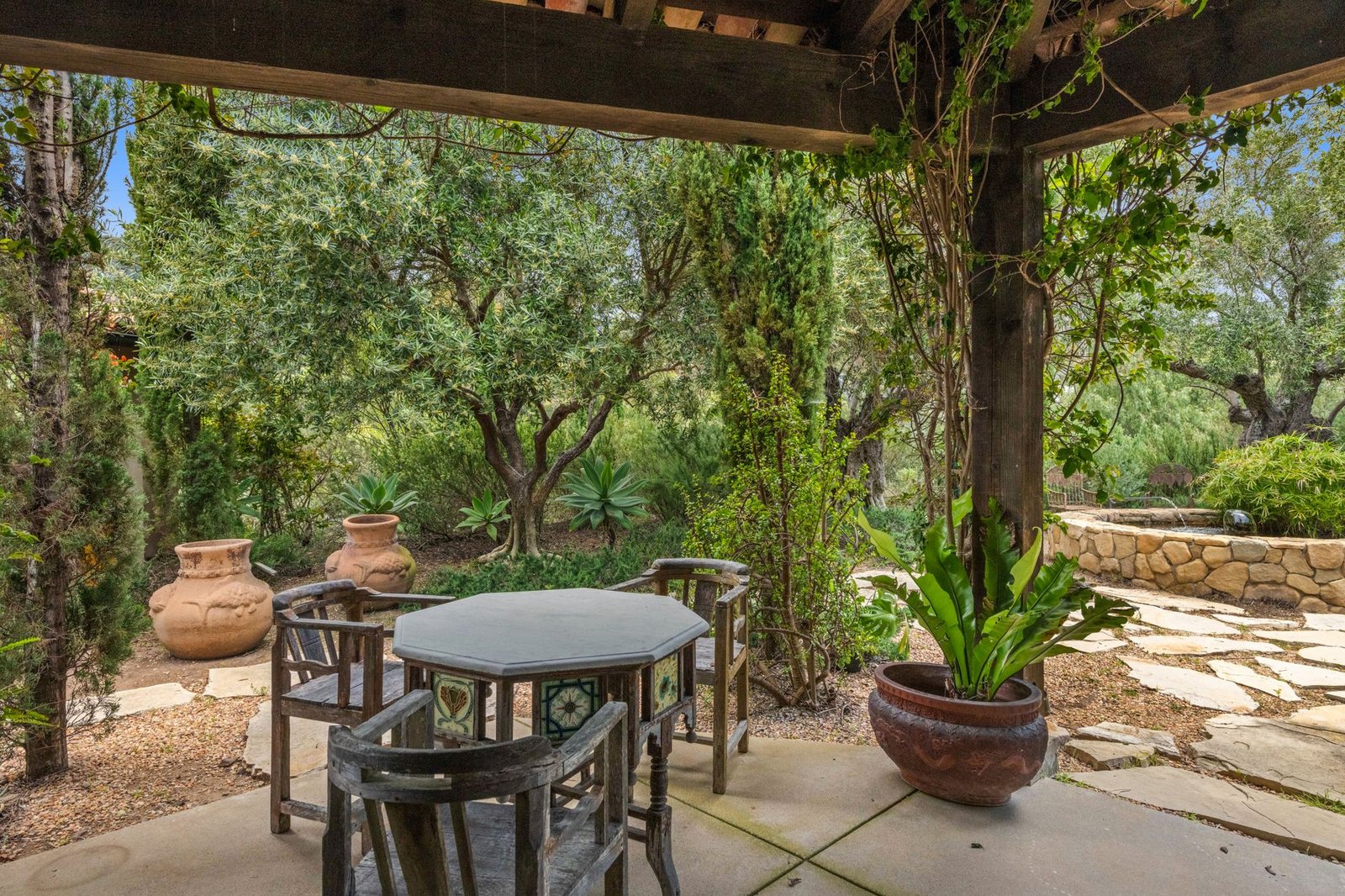
Pavers are rarely the weak link. Concrete pavers to ASTM C936 average 8,000 psi compressive strength (CMHA guide spec), far more than a person on a chair can apply. What gives is the bed and joint around a small foot. Take a round leg 1/2 inch across with 50 pounds on it: the contact area is about 0.2 square inches, so roughly 250 psi. A 1.5 inch glide carrying the same load spreads it over about 1.8 square inches, around 28 psi. These are my own illustrative numbers, but the principle is plain: smaller footprints press harder.
So a wide, flat glide does two jobs. It stops a narrow leg working down into the joint, and it avoids scratches from dragging metal over the surface. Choose a hard base that will not squash, and rinse grit off before you slide anything. Clean up the rust marks that metal legs can leave with our guide to removing rust stains from pavers.
Heavy pieces need a plan, not a shim
Dining sets and loungers are one thing. A fire pit, outdoor kitchen or hot tub puts hundreds of pounds on a few square feet and should be planned into the base. A heavy item on a patio that was only built for walking is how you get a sunken corner. We cover those in outdoor kitchen on pavers, hot tub pad pavers and our paver fire pit build.
If the wobble keeps coming back, check the patio
Pavers shift with temperature, moisture and time, so a leveled set can wobble again after a season. Live Outer recommends rechecking after major seasonal changes. That is normal. A chair that sinks one corner every year in the same place is not: that is a base or drainage problem, and the repair is local. Lift the area, fix what is under it and relay. Our guide to fixing sunken pavers shows how, and leaf stains on pavers is worth a read if furniture covers sit on the surface through autumn.
Fix the leg first, blame the patio second
Most wobble is physics, not workmanship: a 1.5% slope, a 1/8 inch step or a foot on a joint. Level the furniture with a level, wide glides and outdoor-rated shims, and only suspect the patio if one spot keeps sinking. That is one cheap afternoon fix and a lot less drama than lifting pavers.
FAQ
Why does my patio table wobble on pavers?
A paver patio slopes for drainage, at least 1.5% according to ICPI, so a 36 inch table can have legs about half an inch apart in height. Joints and small lippage between pavers add to it.
How do I level a patio table on pavers?
Set a level on the tabletop, find the high side and raise the opposite leg. Use twist feet if the table has them, outdoor-rated shims under the low leg, or screw-in glides on metal frames. Recheck after each change.
Will patio furniture damage pavers?
Concrete pavers are strong enough that a chair will not crush them, but narrow legs can sink into the joint and metal feet can scratch or leave rust marks. Wide glides and lifting rather than dragging avoid most of it.
Can I put heavy furniture or a fire pit on pavers?
Yes, if the base was built for it. A fire pit, outdoor kitchen or hot tub should be planned into the base design instead of dropped onto a walking-weight patio.
Why does the wobble come back after a season?
Pavers expand, contract and settle with temperature and moisture. If it returns in the same spot every year, look for a sunken area that needs the base repaired.


