Last Updated on September 23, 2026 by Umar Farooq
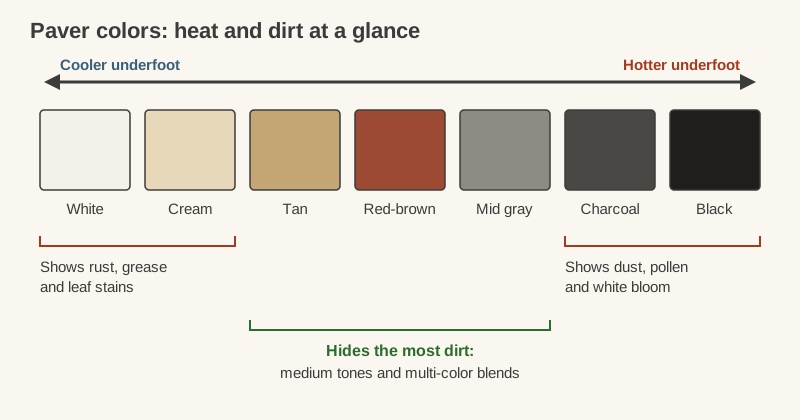
The best paver colors are the ones that pick up a color already on your house, usually the roof, and suit how the space is used. I've scrolled through more manufacturer color galleries than I'll admit, and the shades with the most romantic names are rarely the ones that hide a dropped burger. For most homes that means a medium gray, tan or brown blend. Medium blends hide dirt, stay reasonably cool, and fade gracefully. Charcoal and black look sharp but get hot and show dust. White and cream stay cooler but show every stain. Red works best with brick houses.
One opinion before the swatches: pick a blend over a solid color unless you enjoy sweeping. A blend mixes several tones, so a mud splash or oil drip lands on a neighbour of a different shade and vanishes. On a solid field, the same spot is the first thing anyone sees. Blends also hide a replacement paver from a later production run. Brochure charcoal looks that clean because someone swept it first.
How paver color is made, and why it changes
Concrete pavers get their color from iron oxide pigments mixed into the concrete. Depending on the product, the pigment runs through the whole paver or sits in a harder, finer face layer on top. Either way, the color you see is a thin skin of cement paste on the surface.
Three things change that color over the years:
- Wear. Foot traffic, tires and power washing erode the surface cement paste and expose the sand and stone underneath. The paver looks lighter and grainier, even though the pigment itself hasn't faded.
- Sun. Unilock's guide to choosing paver colors notes that strong sun softens highly saturated tones over time, and that balanced shades age more gracefully.
- Efflorescence. A white, powdery salt bloom can wash out a new patio for its first season or two. It's most obvious on dark colors and usually fades with weather and cleaning.
Some manufacturers use surface treatments or sealers at the plant to protect the face color. They help, but no paver keeps its showroom color forever. (Neither does the showroom.) Picture your color slightly softer than the sample.
Start patio paver colors with the roof
The house is the biggest thing next to the patio, so it sets the palette. Echo the house; don't copy it.
- Roof first. Roofs are the largest, least changeable color. A gray or black roof pairs naturally with gray and charcoal pavers. A brown roof points toward tan, buff and brown blends.
- Siding or brick second. Warm brick facades suit red, brown and tan pavers. White, gray or modern siding suits cool grays.
- Trim and stone accents third. A paver blend that contains a little of the trim or stone veneer color ties everything together.
Nicolock's color FAQ gives the same short rule: warm tones for brick or earthy facades, cooler grays for modern or white homes.
A white house is the easiest to match. Almost anything works, so decide by heat and maintenance instead.
Gray, charcoal and black pavers
Gray is the most requested family for a reason. Light gray pavers suit contemporary homes, dark grey pavers suit almost anything, and gray charcoal blends hide a lot.
| Shade | Looks | Shows | Hides |
|---|---|---|---|
| Light gray | Clean, bright, modern | Oil, rust, leaf tannin stains | Dust, pollen |
| Mid gray / gray blend | Neutral, fits most homes | Very little | Most dirt, light wear |
| Charcoal | Crisp, strong contrast with lawns | Dust, pollen, salt residue | Oil drips, tire marks |
| Black | Dramatic, modern | Everything light-colored, including efflorescence | Dark stains only |
Charcoal pavers are a smart choice for driveways because they swallow oil drips and tire marks. On a sunny patio, the same color gets uncomfortably warm for bare feet.
Black pavers make the boldest statement, and they report every speck of pollen, sawdust, hard-water spotting and white bloom like a very diligent witness. They work best as a border or accent band rather than a whole field.
White, cream and tan pavers
Light colors are the ones for pools and hot climates. They reflect more sunlight, so they stay cooler underfoot.
The trade-off is dirt. White and cream pavers show:
- Rust from furniture feet and fertilizer
- Tannin stains from leaves and mulch
- Grill grease and food spills
- Tire marks on driveways
Tan and beige are the practical middle ground: fairly cool, good at hiding sandy soil and leaf litter, and at home on warm-toned houses. In very bright sun, pure white can also produce glare, which is another reason many pool decks use cream, buff or light tan instead.
Red and brown pavers
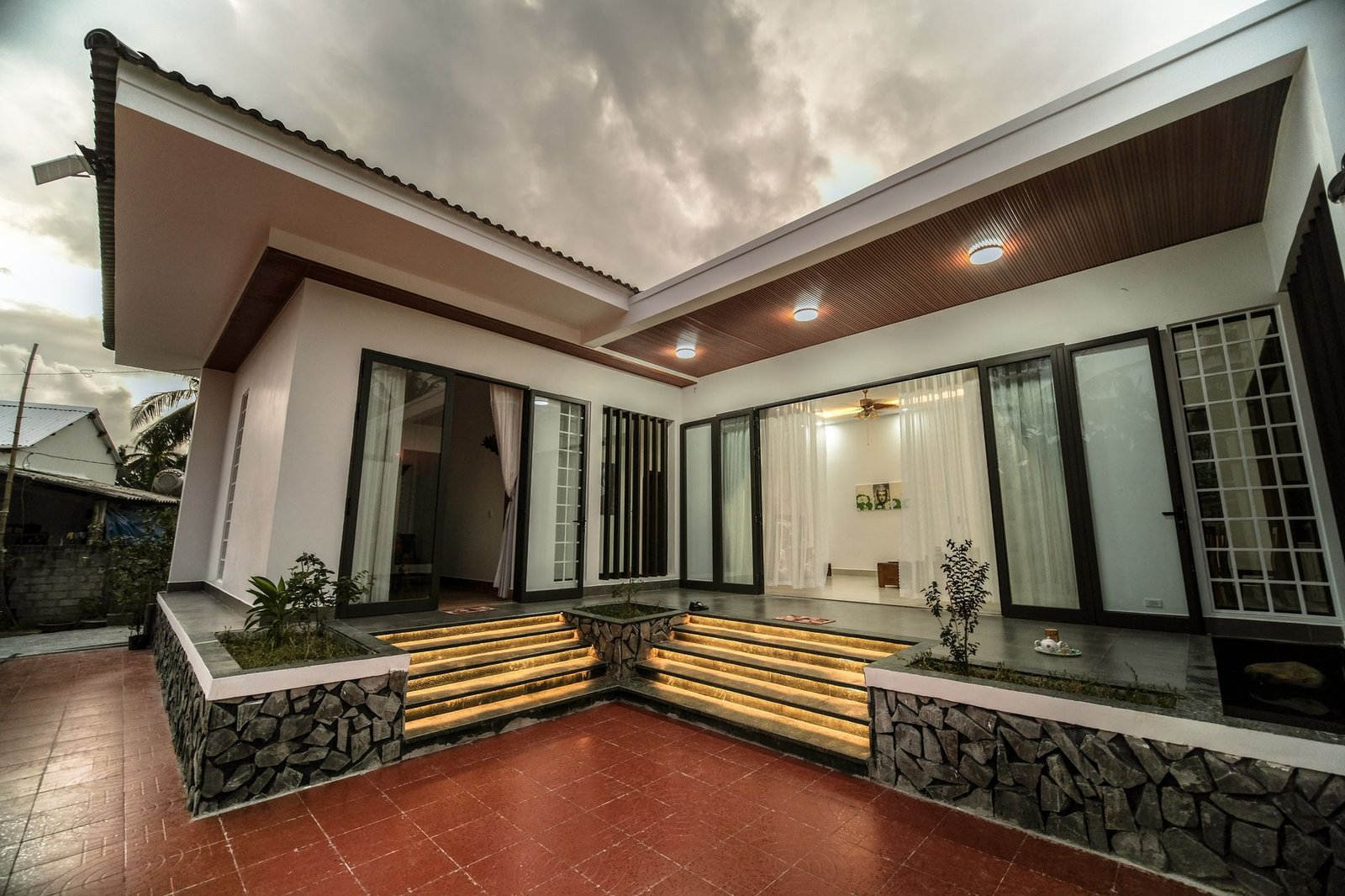
Red pavers are the traditional brick look. They pair naturally with red-brick homes, colonial styles and older neighborhoods. Red concrete pavers come in solid reds and in red-charcoal blends that look more like reclaimed brick.
Two things to know before choosing red:
- Saturated reds show wear sooner. As the surface wears, strong reds lighten toward pink or orange faster than a muted brown does.
- Changing them later is limited. You can stain red pavers darker or browner, but you can't turn them into a true cool gray. Our guide to staining concrete pavers explains why.
Brown pavers and dark brown blends are red's forgiving cousins, the ones who don't mention the mud you tracked in. They hide mud and leaf stains well and suit homes with brown roofs, stone veneer or wood siding.
Blends usually beat solid colors
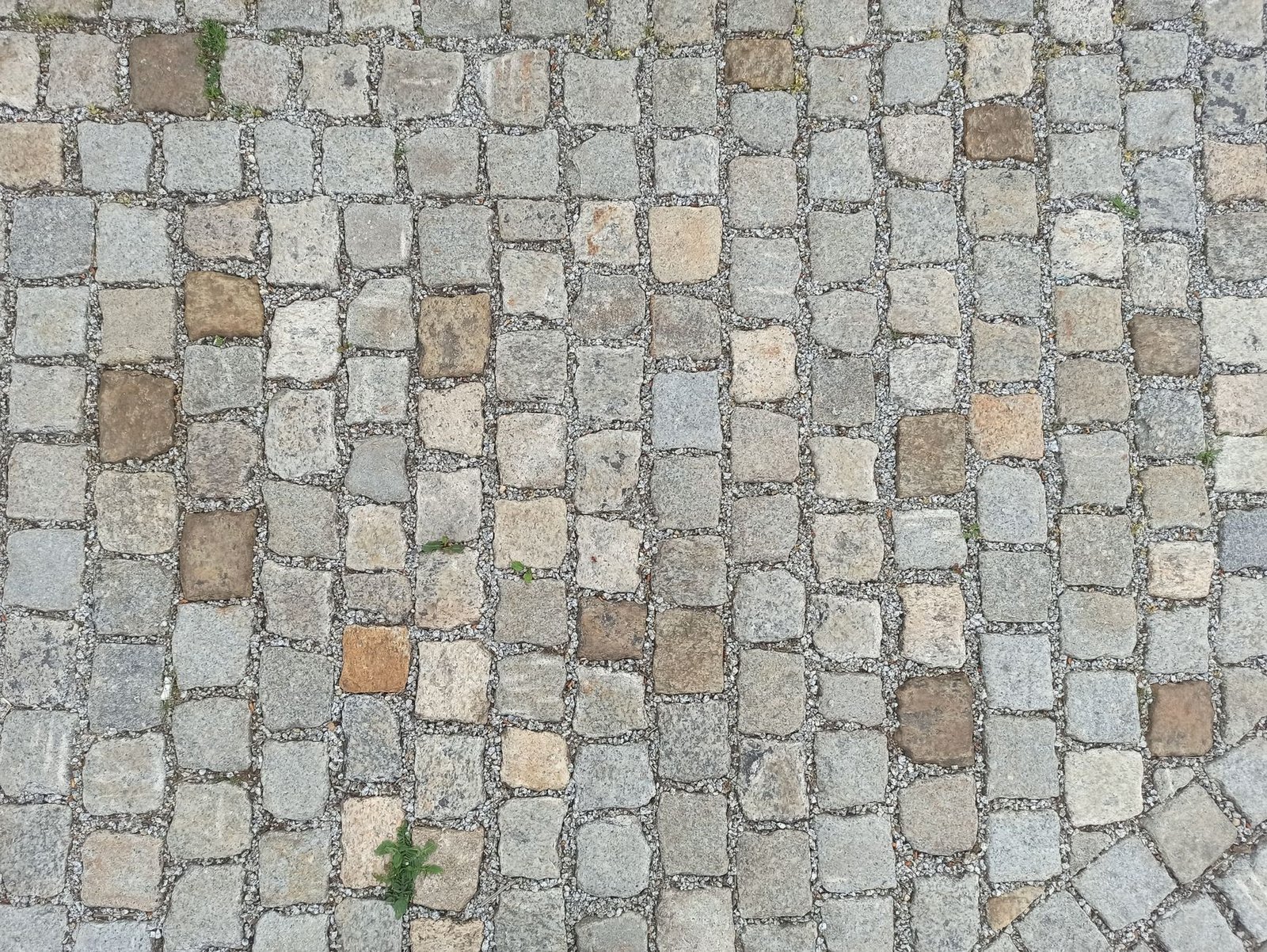
Belgard's paver color page sorts its colors into solids, tone-on-tone ranges and multi-color blends. For most homeowners, a blend is the lower-maintenance choice:
- Blends hide dirt. A spot of mud or a drip of oil disappears among varied tones. On a solid color, it's the first thing you see.
- Blends hide repairs. If a paver has to be replaced years later, a slightly different color from a new production run goes unnoticed in a blend.
- Solids look more modern. A single-color field of large pavers gives the clean look contemporary designs rely on. Just plan to sweep more.
If you love a solid color, use it for the field and frame it with a darker border. Our paver border guide covers the border side of that choice.
Joint sand changes the color you see
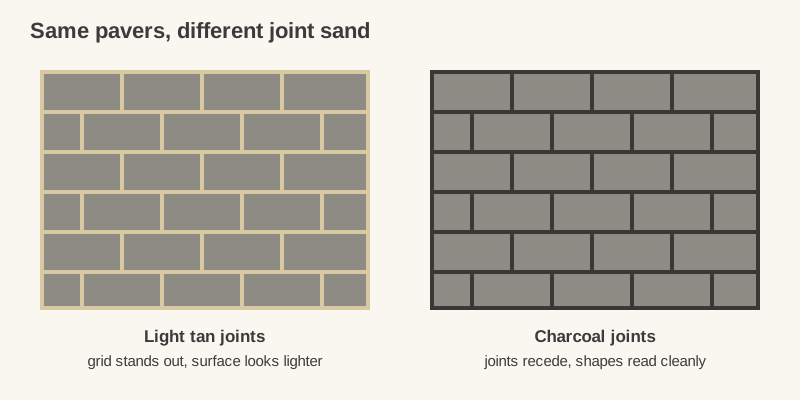
The joints are a thin grid across the whole surface, and their color changes how the pavers read. I went to Unilock's guide expecting this to be a footnote; it's a whole section. Unilock points out that pale joints make a surface look lighter, while dark joints recede and emphasize each paver's shape.
- Tan or beige sand blends with warm pavers and lightens a gray field slightly.
- Gray or charcoal sand suits charcoal and black pavers and gives a cleaner, more modern look.
Polymeric sand comes in several colors, so match it on purpose rather than taking whatever the store has. Check the swatch on the bag, not just the name.
Which colors suit driveways, pool decks and shady yards?
The same color can be right in one spot and wrong in another:
- Driveways. Medium gray, gray-charcoal and brown blends hide oil drips, tire marks and road grime. A darker border frames the drive and hides the dirt that collects at its edges. Avoid solid white or cream, which show every tire mark.
- Pool decks. Choose light and cool: cream, buff, light tan or light gray. Bare feet are the priority here, and cream or tan gives less glare than bright white.
- Shady, damp yards. Moss, algae and mildew show as green or black on light pavers. A medium gray or brown blend hides them better, though you'll still need to clean.
- Small patios. Lighter colors and fewer contrasting bands make a small space feel larger. Belgard also notes that cool tones help a space feel more open.
- Hot, sunny climates. Keep charcoal and black to borders and accents, and use a lighter field where people walk barefoot.
Test paver color samples in your own light
A paver color on a website, or under yard fluorescents, can look completely different on your patio. Before ordering:
- Bring home two or three samples. Full pavers beat chips.
- Look at them morning, noon and evening. North-facing and shaded patios make colors look cooler and darker. Full sun washes them out.
- Wet them. Pavers spend a lot of time damp, and some colors change more than others when wet. A color-enhancing sealer will make them look close to the wet color permanently.
- Set them next to the house, on the actual ground, beside the siding and under the roofline.
- Ask about production runs. Concrete pavers vary slightly from batch to batch, so order the whole job at once. Installers pull pavers from several pallets at a time so any color variation spreads evenly across the surface.
Pick a medium blend that echoes the roof
If you're stuck, six simple rules cover most yards:
- Echo the roof color, then the siding or brick.
- Choose a medium tone or a blend for anything that gets dirty.
- Go lighter around pools and on hot, sunny patios.
- Use charcoal on driveways, and keep black for borders and accents.
- Match the joint sand to the look you want.
- Test samples outside, wet and dry, before you order.
Paver colors are hard to change once they're down, so this is where an extra week of staring at samples pays off. If the neighbours have started asking why there are three pavers leaning against your siding, you're doing it right.
FAQ
What color pavers stay the coolest?
White, cream and light tan pavers stay coolest because they reflect more sunlight. Charcoal and black absorb the most and can get uncomfortably hot for bare feet on a sunny afternoon, which is why light colors are common on pool decks.
What color pavers hide dirt best?
Medium-tone multi-color blends hide dirt best. Mid grays, tans and browns with some variation disguise mud, leaves, dust and minor stains. Solid white shows dark stains, and solid black shows dust and pollen.
Do black and charcoal pavers fade?
All concrete pavers lighten somewhat as the surface wears and exposes the sand and stone underneath, and dark colors show it more. Sealing slows the process, and a color-enhancing sealer or stain can bring a dark color back.
What color pavers go with a white house?
Almost any. Gray and charcoal give a crisp, modern contrast. Tan and buff blends feel warmer and softer. Let the roof color and your heat and maintenance needs make the final call.
What is the most popular paver color?
Gray and gray blends are among the most widely chosen paver colors because they suit most roof and siding colors and hide everyday dirt. Tan and brown blends are the usual choice for warm-toned homes.
Can you change the color of pavers later?
Only partly. Stains can darken or warm pavers, and color-enhancing sealers deepen the existing color. You can't make pavers noticeably lighter without replacing them.