Last Updated on September 23, 2026 by Umar Farooq
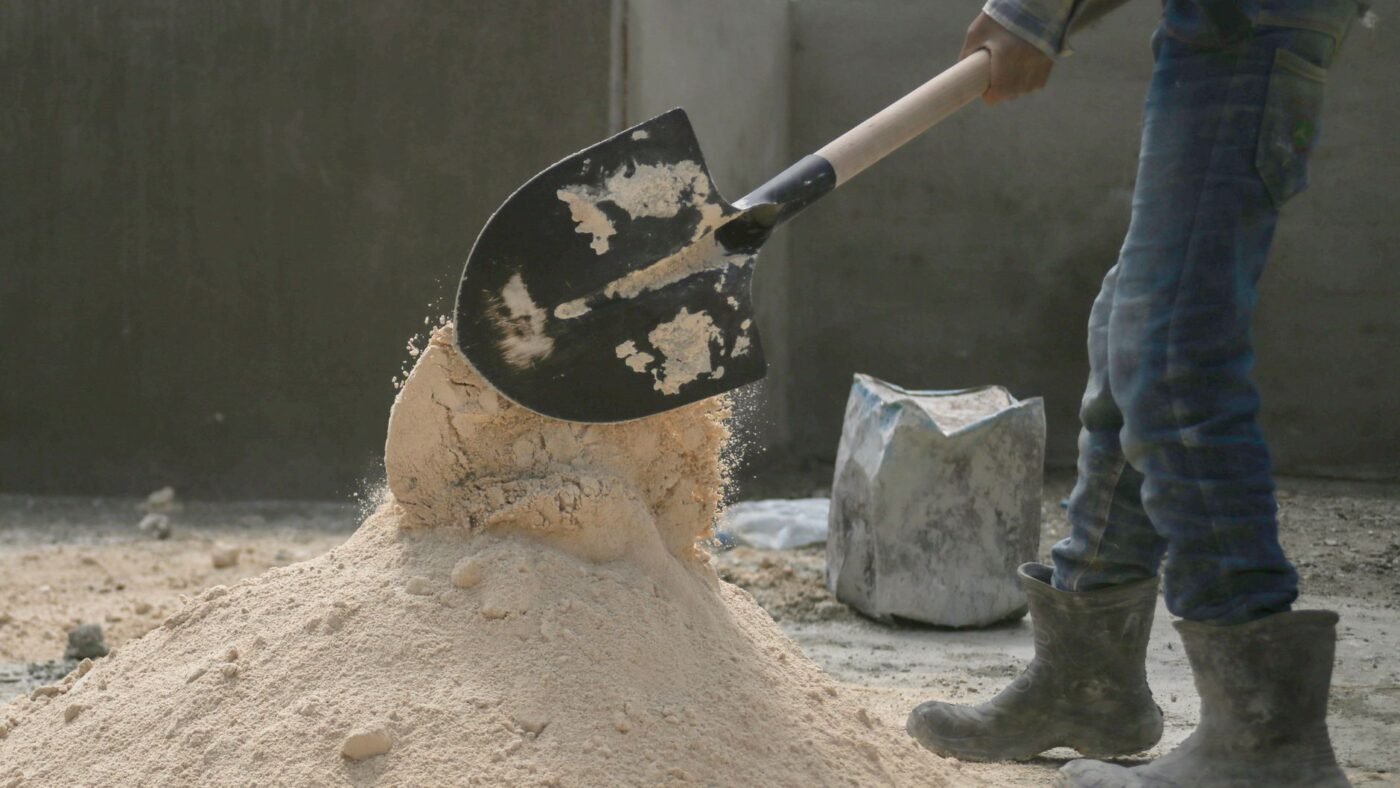
Screeding sand for pavers means striking a loose layer of coarse concrete sand off to an even 1-inch thickness over a compacted base. Bed two 1-inch rails (steel pipe or square tubing) on the base, fill between them with slightly more sand than you need, then pull a straight board across the rails toward you. Pull the rails, fill their grooves, and lay pavers on the untouched surface the same day. Don't compact the sand first, don't walk on it, and never use it to fix a lumpy base. It's the only step in the whole job where the correct amount of effort afterward is none.
What the screeded layer does, and what it can't fix
The bedding sand is a setting bed. Under the plate compactor, each paver presses into the loose sand, which packs up under it and into the bottom of the joints, seating the pavers and starting the interlock.
The bed only works if it's the same thickness everywhere, and this is the one thing I'll be stubborn about. A spot with 2 inches of sand compresses more than a spot with 1 inch, so the paver above it ends up lower, about a year later, exactly where you tried to cheat. Screeding sand for paving has one hard rule: the sand follows the base, it doesn't correct it. Before you screed, the compacted base should already run parallel to the finished surface, within about 3/8 inch over 10 feet. If it doesn't, fix it with base material and the compactor.
Aim for 1 inch. Much thinner and the pavers don't bed or lock in. Much thicker and the sand keeps shifting under load, which means ruts and rocking pavers, especially on a driveway.
Sand for screeding: coarse, washed, evenly damp
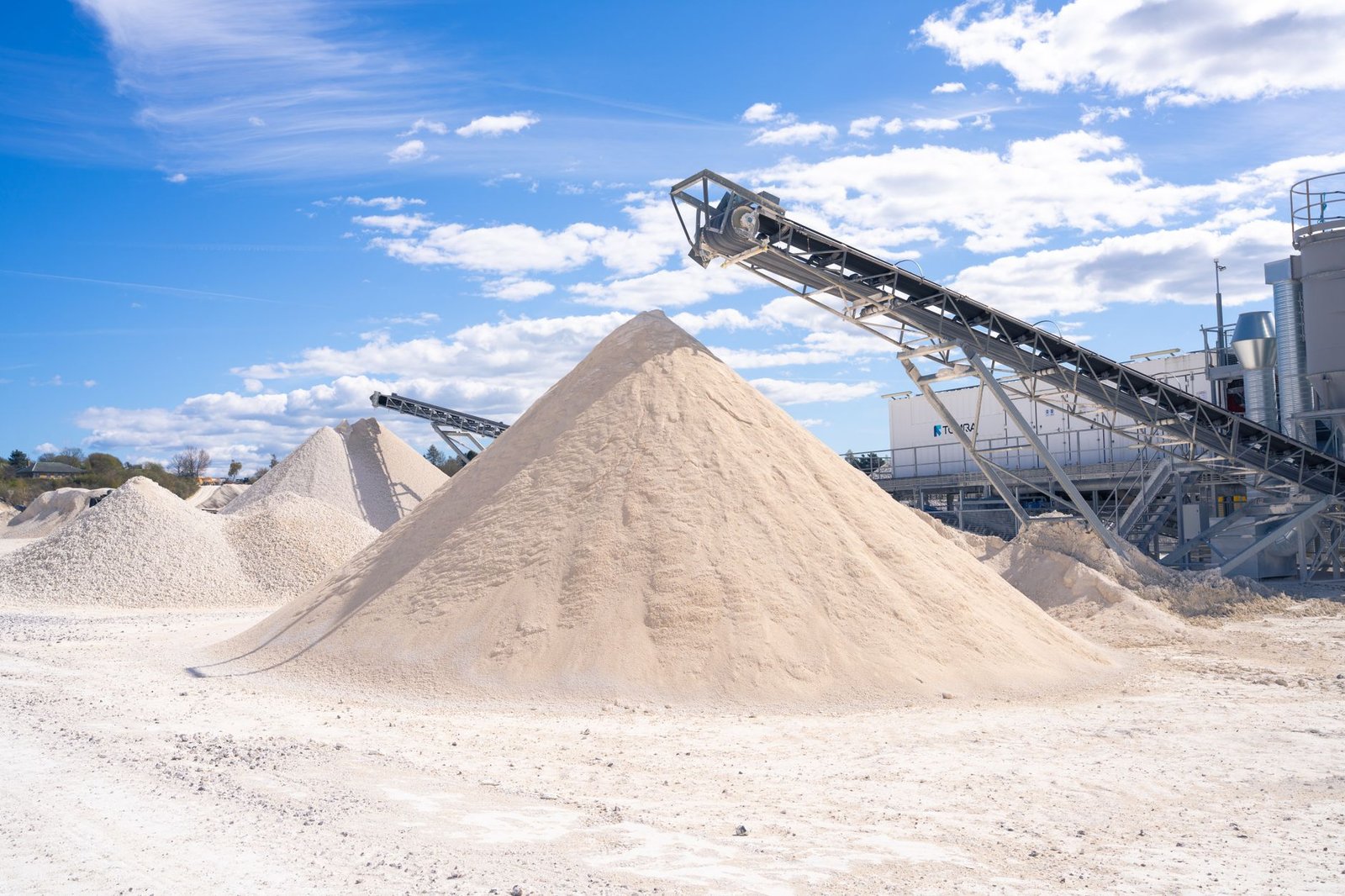
The right sand for screeding is washed concrete sand, sold to the ASTM C33 gradation. The grains are coarse and angular, some up to about 3/16 inch, so they lock together, and washing removes the clay and silt that hold water.
Keep these out of the bedding layer:
- Play sand, beach sand and mason sand. Too fine and round; they compress unevenly and hold water.
- Polymeric sand. It's a joint filler that hardens when wet, not a bedding material.
- Stone dust. Plenty of crews use it, but it holds water and can pump up through joints. I checked the CMHA guide specification expecting some wiggle room here and found none: it says not to use limestone screenings, stone dust, or mason sand for bedding. The full comparison is in our guide to sand for pavers.
Moisture matters as much as the sand type. Screeding sand should be evenly damp, like brown sugar: it holds a rough shape when squeezed but never drips. Dry sand runs off the board; soaked sand clumps, smears, and settles as it drains. Keep the pile under a tarp.
The alternative: screed chip. Many contractors now bed pavers on 1/4-inch or 3/8-inch washed chip stone (ASTM No. 8 or No. 9) instead of sand. How to Hardscape's screeding guide points out that chip drains freely, can be screeded after rain, and doesn't wash out. It's required for permeable pavers and works well over open-graded bases. You screed it exactly the same way.
Screed rails: what to use and how far apart
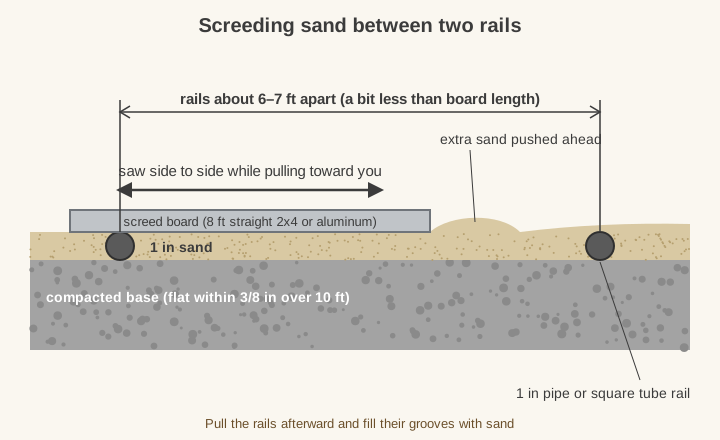
The rails set the sand depth, so they must be exactly as thick as the bed and stiff enough not to move. They're the cheapest precision instrument you'll own.
| Rail | Works? | Notes |
|---|---|---|
| 1-inch outside-diameter steel pipe (3/4-inch nominal black or galvanized pipe is about 1.05 inch OD) | Yes | Heavy, stays put, the most common choice |
| 1-inch square steel tubing | Yes | Flat sides don't roll, easy to check with a level |
| 1-inch aluminum screed rails made for pavers | Yes | Light, straight, costs more |
| PVC pipe | Avoid | Light, flexes and shifts when you pull the board |
| Lumber strips | Avoid | Warp, and are rarely a true 1 inch |
Spacing. Set the rails a little closer together than your board is long: for an 8-foot board, about 6 to 7 feet apart. On large areas, use three or more rails so you can screed one bay while setting the next.
The screed board can be a straight 2×4, an aluminum straightedge, or a purpose-made screed bar with handles. Sight down a 2×4 before you buy it; lumber yards stock a surprising number of gentle curves sold as straight lines, and any bow shows up in the sand.
Setting rail height and slope from a string line
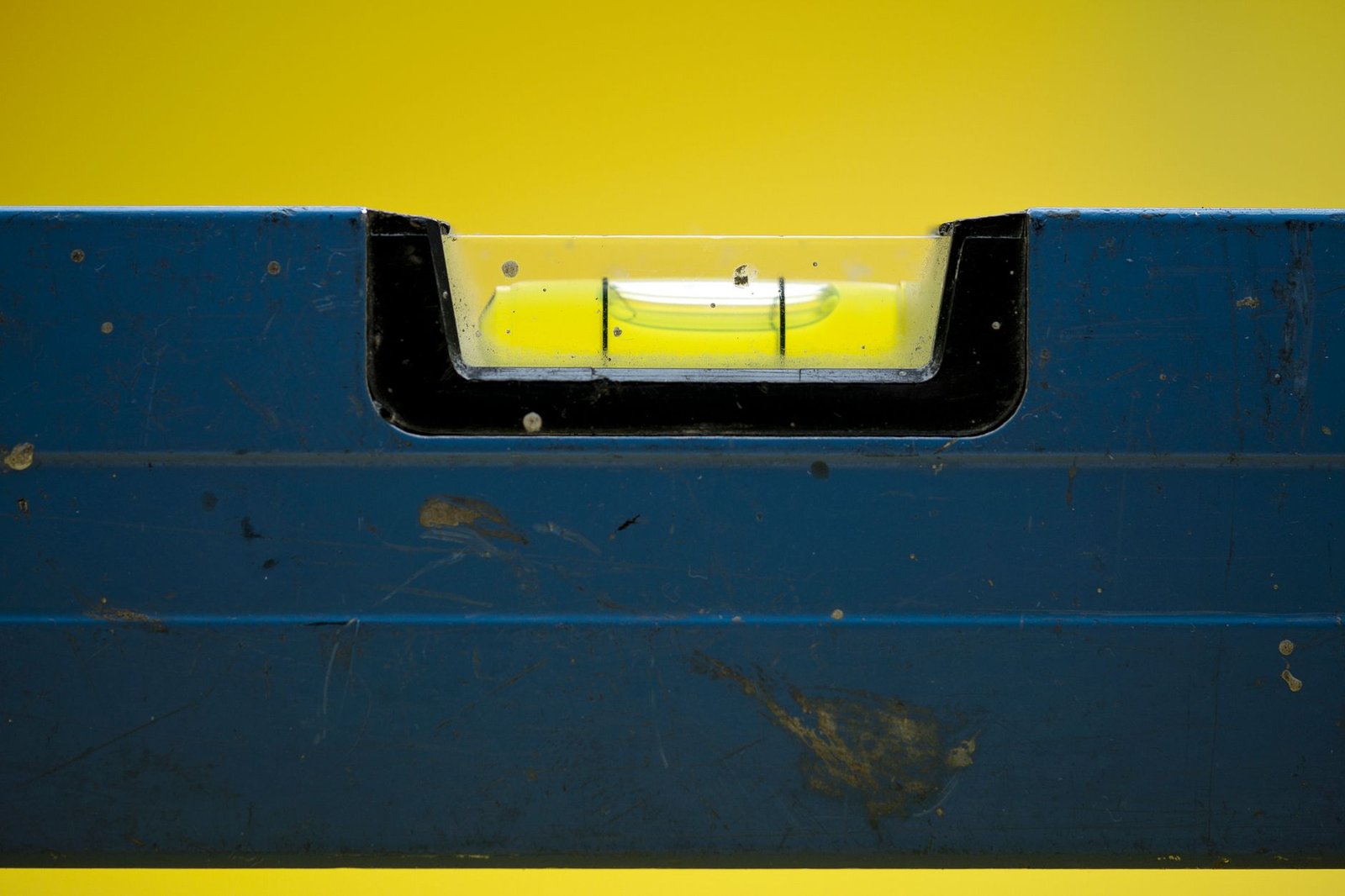
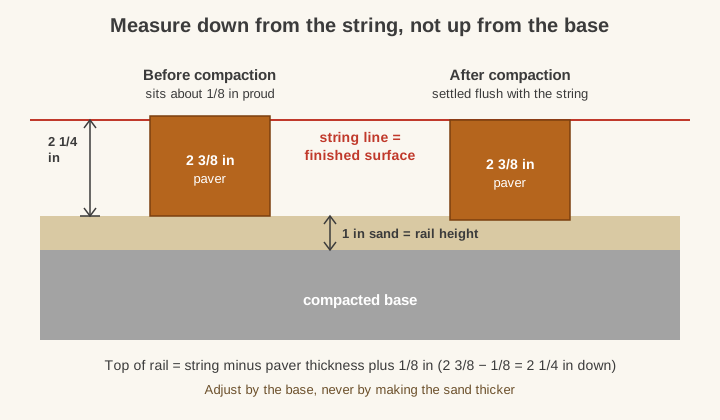
Set rails from the finished surface down, not up from the base.
- Run string lines at the height of the finished paver surface, already pitched for drainage away from the house: at least 1.5% (ICPI's minimum, about 3/16 inch per foot), and 2% is a comfortable target.
- Measure down from the string the paver thickness, minus about 1/8 inch. The pavers settle into the sand when they're compacted, so they start slightly proud; CMHA's spec allows them to sit 1/8 to 1/4 inch high before compaction. For a standard 2 3/8-inch paver, the top of the rail sits about 2 1/4 inches below the string.
- Set each rail on the base so it sits solidly at that height, then check it at several points along its length. A skim of sand under a rail is fine for fine-tuning. Most crews run the rails in the direction of the slope, so the board simply follows the pitch.
- Watch how much shimming it takes. On a properly graded base, a 1-inch rail lands at the right height with little or no sand under it. If a rail needs more than about 1/4 inch of packing to reach the string, or sits high on a hump, the base is off there. Fix the base, not the rail.
On patios that slope two ways, or when you're working alone, a rotary laser does the same job faster. Western Interlock's screeding questions page also recommends a string line as the slope reference for rail setup.
How to screed sand for pavers, pass by pass
- Dump sand between the rails and rake it slightly above the rails, so the board has surplus to carry.
- Set the board across both rails and pull it toward you in a slow side-to-side sawing motion. Keep light, even pressure so the board rides the rails instead of lifting off them.
- Watch the sand ahead of the board. A small roll of sand should build up in front of it; when it disappears, you've hit a low spot. Throw a little sand in front of the board and pull again.
- Pick out stones and clumps the board drags up, fill the scratch they leave, and re-pull that strip.
- Make a final light pass over each bay. The surface should look uniform, with no ridges, tracks or bare spots.
- Leapfrog the rails. Pull the rail on the finished side, reset it one bay farther along, and repeat. Only screed an area you can cover with pavers that day.
Work away from where you'll be laying, so the paver setter kneels on already-laid pavers instead of fresh sand. (A screeded bed remembers every visitor, and it tells the compactor about each one.) Start from a fixed straight edge such as the house wall or a set border.
Filling rail grooves and footprints
Lifting a rail leaves a 1-inch-deep groove that must be filled before any paver goes over it.
- Lift rails straight up, slowly, so the groove edges don't collapse.
- Fill the groove with loose bedding sand, slightly overfilled, then strike it flush with a trowel or a short straightedge that rides on the screeded sand on both sides.
- Don't pack the fill with your hand or trowel. It should be as loose as the sand around it, or that line will sit high after compaction.
Footprints, pet tracks and rain pocks get the same treatment: loosen, refill and strike flush. CMHA's spec puts the whole idea in four words, "Do not disturb screeded sand," and the cat has never read it. If a large area gets disturbed, pulling a rail back in and screeding it again is faster than patching.
Seven screeding mistakes that show up after compaction
Every one of these is invisible on the day you screed and obvious once the plate compactor runs, which is a cruel sense of timing:
- Compacting the sand before laying pavers. Pre-compacted sand can't pack up under each paver, so the pavers don't bed or lock in.
- Using extra sand to fill dips in the base. Thick spots settle more and become shallow bowls in the finished surface.
- Screeding soaked or bone-dry sand. Wet sand clumps and settles later. Dry sand won't hold a clean edge.
- Rails that move. PVC, bent pipe or rails resting on loose piles shift under the board and leave waves in the sand.
- Walking on the screeded bed. Every footprint is a low spot unless you refill it.
- Screeding too far ahead. Sand left overnight gets rained on, dried out, or walked on by animals.
- Leaving rail grooves empty or packed. Either one leaves a straight line visible across the patio.
Errors of 1/16 inch or so usually even out as the vibration beds the pavers. Anything larger doesn't, so fix it in the sand, not with the compactor.
Screeding sand for a driveway or over a concrete slab
The technique stays the same; the stakes change.
Driveways. Tire loads punish any extra sand depth, so keep the 1-inch bed tight and resist the urge to thicken it to fix grade. The base does the leveling. See our guide to paver driveway installation for the deeper base and thicker pavers vehicles need.
Over an existing slab. When pavers over concrete are sand-set, you screed the same 1-inch layer directly over the slab, with drainage holes or edge weeps to let water out. The rails rest on the concrete, which is already flat, so setup is easier.
How much sand to order for a 1-inch screed
One cubic yard of sand covers about 324 square feet at 1 inch deep (27 cubic feet × 12). Add about 10% for filling rail grooves, low spots and waste.
| Patio size | Area | Sand at 1 inch (+10%) |
|---|---|---|
| 10 × 10 ft | 100 sq ft | about 0.35 cu yd |
| 12 × 16 ft | 192 sq ft | about 0.65 cu yd |
| 16 × 20 ft | 320 sq ft | about 1.1 cu yd |
| 20 × 24 ft driveway | 480 sq ft | about 1.6 cu yd |
Bagged concrete sand usually comes in 50-pound bags, so check the printed coverage. Bags suit a small landing; over about half a yard, bulk delivery is usually cheaper and much less lifting.
Strike it once, stay off it, and pave it the same day
Good screeding comes down to three things. The base does the leveling, the rails set an exact 1 inch, and the sand stays loose and untouched until the pavers go on. Measure rail height down from a string line, fill every groove loosely and flush, and screed only what you'll pave today. Get the screeding sand for pavers right and the compactor finishes the job for you. Then put the board down, walk around the bed rather than across it, and go find the first paver.
FAQ
How thick should screeding sand be for pavers?
1 inch. Thinner beds don't let the pavers seat and lock in properly, and thicker beds keep shifting under load, which leads to dips, ruts and rocking pavers.
What is the best sand for screeding under pavers?
Washed coarse concrete sand meeting ASTM C33. For permeable pavers, or if you want a bed that drains and resists washout, use 1/4-inch or 3/8-inch washed chip stone instead. Avoid play sand, mason sand and polymeric sand in the bedding layer.
Should you compact the sand before laying pavers?
No. The sand stays loose. The pavers are laid on top and then compacted, which beds them into the sand and pushes sand up into the joints.
Can you screed wet sand?
Evenly damp sand screeds best. Soaked sand clumps, smears and settles later as it drains, so let saturated sand drain or cover the pile before rain. If it rains on sand that's already screeded, re-screed it before laying.
Can I use PVC pipe for screed rails?
It's not recommended. PVC is light and flexes, so it shifts when the board is pulled across it and leaves waves in the bed. Use 1-inch steel pipe, square steel tubing, or aluminum rails.
How far apart should screed rails be?
A little less than the length of your screed board, so both ends always ride on a rail. With an 8-foot board, set the rails about 6 to 7 feet apart.