Paving Stones: What Pavers Are and the Main Types Compared
Paving stones explained: what pavers are, how they work, and the main types (concrete, clay brick, natural stone, porcelain, permeable) compared by use.

Paving stones explained: what pavers are, how they work, and the main types (concrete, clay brick, natural stone, porcelain, permeable) compared by use.
Natural stone pavers compared: travertine, granite, bluestone, slate, sandstone and limestone, with climate fit, finishes, thickness and how each is laid.
Porcelain pavers explained: what 2 cm outdoor porcelain is, laying it on pedestals, sand, gravel or concrete, cutting without chips, and real pros and cons.
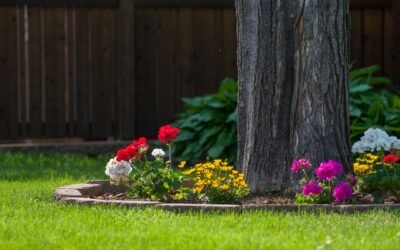
Bullet stone edging explained: sizes, how many you need, a gravel trench install that stays level, and how to wind the round-nose units around beds and trees.
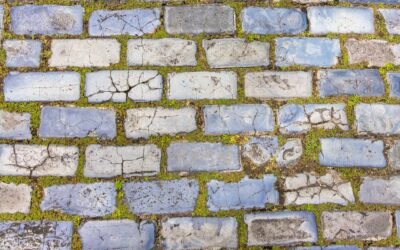
Polymeric sand problems diagnosed: joints that stay soft, crust and flake, wash out, crack or grow weeds. Causes, fixes and how long polymeric sand lasts.
How many pavers do I need? Measure the area, multiply by pavers per square foot for your size, add 5–20% waste, and handle borders and curves correctly.
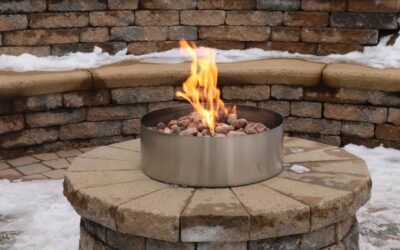
Seat wall dimensions that are comfortable: about 18 in high and 12–16 in deep, plus choosing blocks and caps and building the base and buried first course.
How permeable concrete pavers drain through stone-filled joints, the open-graded base they need, driveway use, stormwater credits and keeping joints open.
Paver driveway cost explained: published per-square-foot ranges by material, the line items in a quote, pavers vs asphalt and concrete, and DIY vs pro.
How to choose paver colors that suit your house and yard: gray, charcoal, black, white and red compared for heat, dirt and fading, plus blends and joint sand.