Slippery Algae on Pavers: How to Tell What Is Making Them Slick and Make Them Safe
Slippery algae on pavers grows where water stays. Make the spot safe today, scrub it off, then fix the damp spot that feeds it. Find the cause in five checks.

Step-by-step guides and well-researched gear advice for DIY paver patios, walkways and driveways.
Slippery algae on pavers grows where water stays. Make the spot safe today, scrub it off, then fix the damp spot that feeds it. Find the cause in five checks.
Pavers around window well: set the height from the well lip, grade away, keep the drain reachable, pave to the well never over it, and use a loose border.
Pressure washer damage to pavers: tell stripes, pitting, empty joints and lost sealer apart, see which marks are permanent and what to do about each.
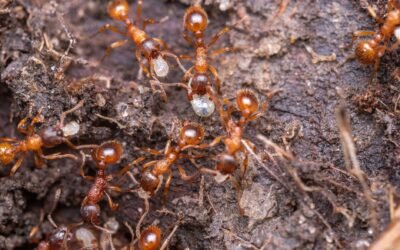
Fire ants in pavers need bait first, a spot treatment second and joint repair last. Extension sources say why boiling water fails.
Pavers sliding downhill on a slope? Read the creep, anchor the lower edge first, stop water behind it, and know when a header beam means calling a pro.
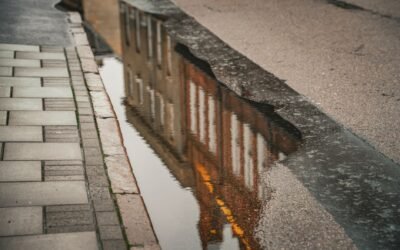
Puddles on paver driveway low spots? Chalk the outline, measure the dip, find the cause, then fix it cheapest first, from clearing joints to lifting pavers.
A dumpster on paver driveway surfaces can leave dips where the rails sit. Check the base, use boards, pick a small box and a short rental. See what to do.
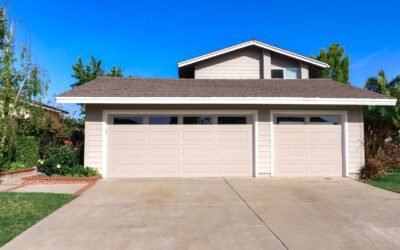
Driveway water into garage? Check which way the apron falls, stop uphill water, re-pitch the pavers, and add a drain across the door only as backup.