Last Updated on September 23, 2026 by Umar Farooq
Permeable concrete pavers are solid concrete pavers with wider joints filled with small, clean crushed stone. Rain runs through the joints into a deep base of open-graded stone, which stores it and lets it soak into the soil. They carry cars like ordinary pavers but send far less runoff to the street. The odd thing is that the paver itself is waterproof. The holes are the product, and the stone underneath is what makes the system work.
I checked what currently ranks for this term: a product page, and a Wikipedia article covering ten pavement types. This guide sticks to permeable interlocking concrete pavers for homes.
How permeable concrete pavers let water through
A standard paver patio sheds most of its rain. Tight joints full of sand and a dense gravel base carry the water to the edges and into the gutter, where it becomes somebody else's problem. A permeable paver has the same concrete but is shaped with larger spacer lugs that hold the joints open wider than a standard paver's. The joints are filled with chip stone instead of sand, so water drops straight through them.
Three terms are often confused. The Water Environment Federation's explainer on permeable, porous and pervious pavers separates them:
- Permeable pavers. Water flows around solid units, through stone-filled joints. This is the common residential system, known in the trade as PICP (permeable interlocking concrete pavement).
- Porous pavers. Concrete or plastic grids are filled with soil, grass or gravel. Turf block pavers belong here.
- Pervious pavers. Water passes through the unit itself, which is made of bonded aggregate.
In everyday use, "pervious concrete pavers" usually means the first kind. If a salesperson uses the terms interchangeably, ask which kind you're getting. (Three nearly identical words for three different systems is how you know an industry committee was involved.)
The open-graded base does the real work
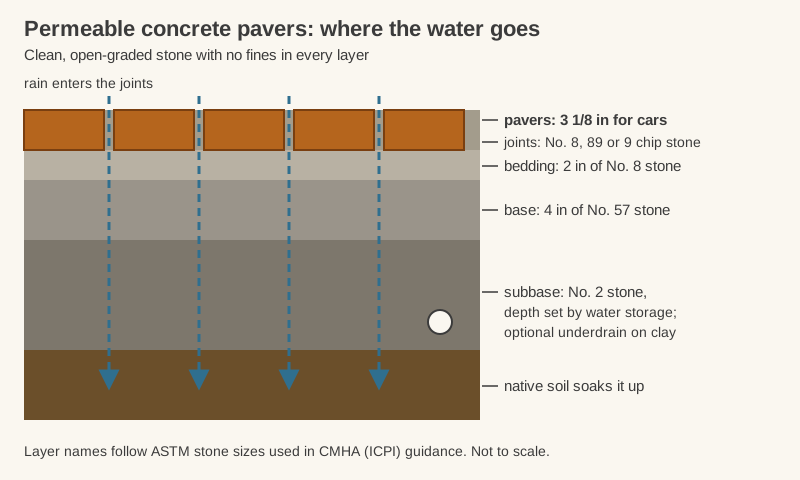
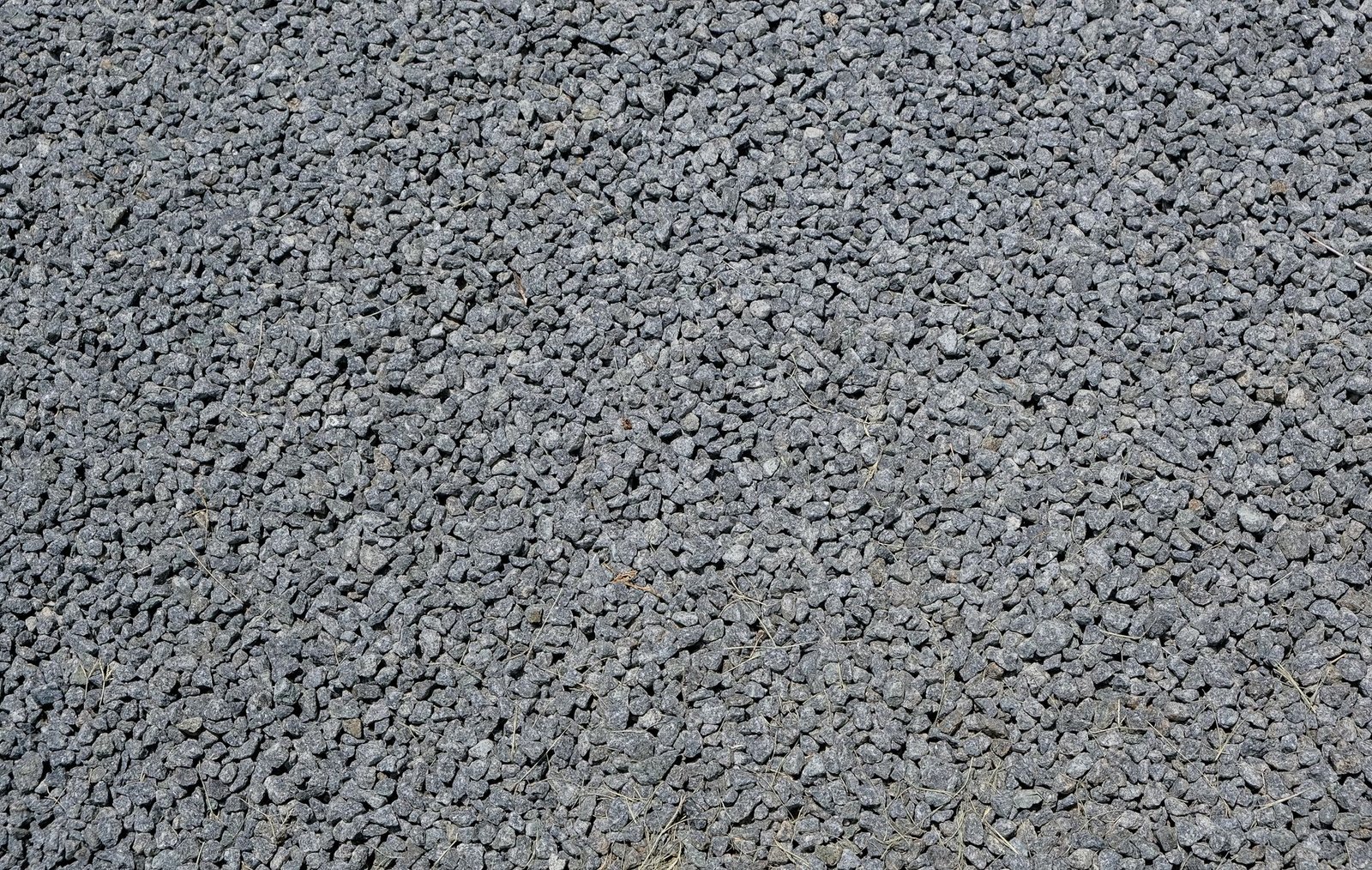
A normal paver base is dense-graded: stone mixed with fines so it packs solid. A permeable base leaves the fines out, and the gaps between the stones become storage space for water. It's a cistern that happens to hold up a car. The Concrete Masonry & Hardscapes Association's PICP construction guide builds it in layers:
| Layer | Material | Typical thickness |
|---|---|---|
| Joints | ASTM No. 8, 89 or 9 chip stone | Paver depth |
| Bedding | No. 8 stone, screeded | 2 in |
| Base | No. 57 stone | 4 in |
| Subbase | No. 2, 3 or 4 stone | Set by storage and load |
| Optional | Geotextile on the sides; underdrain pipe | Per design |
Subbase thickness depends on how much rain it must hold and how slowly your soil drains. On clay, a perforated underdrain near the bottom carries away what the soil can't absorb. A percolation test before design is standard practice. Our paver base material guide shows how open-graded stone differs from ordinary road base.
Two habits from normal paving work against a permeable system: using sand anywhere in the section, and over-compacting the native soil under it. Both slow the water down. I read the CMHA permeable spec twice looking for a place where ordinary bedding sand is allowed. There isn't one.
Permeable pavers for driveways
Permeable driveways suit lots with a coverage cap or drainage problems. Driveway-specific rules:
- Pavers 3 1/8 inches (80 mm) thick. CMHA calls for this minimum under vehicles, compared with 2 3/8 inches for foot traffic.
- A concrete curb or cast-in-place edge. Chip-filled joints don't hold as tightly as sand, so the edges need solid restraint.
- Gentle slopes. Water runs across a steep permeable surface instead of into it. Steeper drives need check dams in the subbase to hold water back.
- No run-on from dirt. Soil washing onto the pavers clogs the joints fast.
The build sequence is covered in the permeable section of our paver driveway installation guide. Expect a deeper dig than a standard driveway and several times more stone. This is one job where hiring a contractor certified in PICP installation pays off, because the mistakes are all buried.
Stormwater credits and rebates
Many cities and sewer districts bill property owners for stormwater by the square foot of hard surface, and some reduce the fee for permeable pavement. A few go further. The District of Columbia's RiverSmart permeable surface rebate pays $15 per square foot to replace impervious surface with permeable pavers, with conditions. At least 100 square feet must be replaced, the pavers must take water from a downspout or rain barrel overflow, and the installer must hold ICPI's PICP Record of Completion.
I went looking for a national list of these programs and found only a patchwork of city pages, several of them out of date. Before you choose a paver, call your stormwater utility or public works department and ask:
- Is there a fee credit or rebate for permeable pavement?
- Does it require a certified installer or an inspection?
- Does a permeable driveway still count against impervious-coverage limits?
Keeping the joints open
A permeable surface slowly clogs as grit fills the top of the joints. Maintenance keeps water moving:
- Sweep or vacuum once or twice a year. A vacuum sweeper pulls clogged chips from the top of the joints; replace them with clean stone.
- Top up the joint stone whenever it drops below the paver chamfer.
- Keep sand and grit off it. Don't spread winter sand, and don't store mulch or topsoil on the pavers.
- Use less salt. The Green Building Alliance notes permeable pavement needs much less de-icer, because meltwater drains instead of refreezing.
- Skip film-forming sealers. Anything that bridges the joints defeats the system.
Watch for puddles after a normal rain. On a working permeable driveway, water vanishes almost as it lands.
Where permeable pavers are the wrong choice
- Steep slopes, unless the subbase is terraced with check dams.
- Right against a house foundation or basement wall, unless an impermeable liner directs water away.
- Areas where fuel, oil or chemicals are handled, because the base would carry spills into the soil.
- Sites with a high water table or shallow bedrock, which leave the subbase nowhere to drain.
Buy the base, not just the paver
My one strong opinion here: with permeable pavers, you're buying a stone reservoir with a paver lid. The paver spreads the load; the open-graded base holds the water and carries the car. If your lot drains well and there's no coverage limit, standard pavers are cheaper and fine. If you go permeable, pay for the chip joints, the No. 57 base, the subbase and the sweeping. Lay permeable pavers on sand and road base and you have an expensive standard driveway. Build the stone properly and the next storm is somebody else's forecast, not your basement's.
FAQ
Are permeable pavers worth it?
They're worth it where runoff, puddling or impervious-coverage limits are real problems, or where a local credit or rebate offsets the cost. They cost more than standard pavers because of the deeper base and extra stone.
Can you drive on permeable concrete pavers?
Yes. With pavers at least 3 1/8 inches (80 mm) thick, a concrete edge restraint and an open-graded base sized for the load, permeable pavers handle cars and light trucks like any paver driveway.
Can you use polymeric sand in permeable pavers?
No. Polymeric sand and regular joint sand both block the joints. Permeable pavers use clean chip stone, usually ASTM No. 8, 89 or 9, in the joints and the bedding layer.
How often do permeable pavers need cleaning?
Plan on a vacuum or deep sweep once or twice a year, and top up the joint stone afterward. Sites with trees, bare soil or heavy traffic may need it more often.
Do permeable pavers work on clay soil?
Yes, with a thicker subbase to hold the water and a perforated underdrain to carry away what the clay can't absorb. A percolation test sets the design.