


Last Updated on October 20, 2026 by Umar Farooq
Dry cast concrete pavers are made from a stiff, almost dry mix that a machine presses into steel molds and releases at once. That makes them fast to produce, cheaper, and the standard interlocking paver at most suppliers. Wet cast pavers are poured from fluid concrete into individual molds and left to harden, so they can copy stone detail and take bolder colors, at a higher price. For driveways and busy walks, dry cast is the usual choice. For a decorative patio, either works if the product passes its test. Worth a read next: concrete paver molds. For the full picture, see black mold on pavers.
How dry cast concrete pavers are made

Alliance Gator's wet cast vs dry cast explainer describes the dry mix as having zero slump, "more like the consistency of wet sand." Heavy machinery compresses it under high pressure, and the pavers cure on racks. Wet cast concrete is fluid enough to pour from a mixer, then vibrated in the mold to release air. The mold can't be reused until the piece has hardened, which is why wet cast is slower and costs more.
Dry cast vs wet cast side by side
| Dry cast | Wet cast | |
|---|---|---|
| Mix | Zero slump, damp-sand texture | Fluid, pourable |
| Forming | Machine pressure and vibration | Poured, vibrated, left in mold |
| Surface | Coarser; modern lines add textures and blends | Fine stone detail, smooth or textured |
| Color | Narrower range | Bolder tones such as black and red |
| Price | Lower | Higher |
| Typical use | Driveways, walks, patios, streets | Patios, pool decks, steps, veneers |
Color and surface
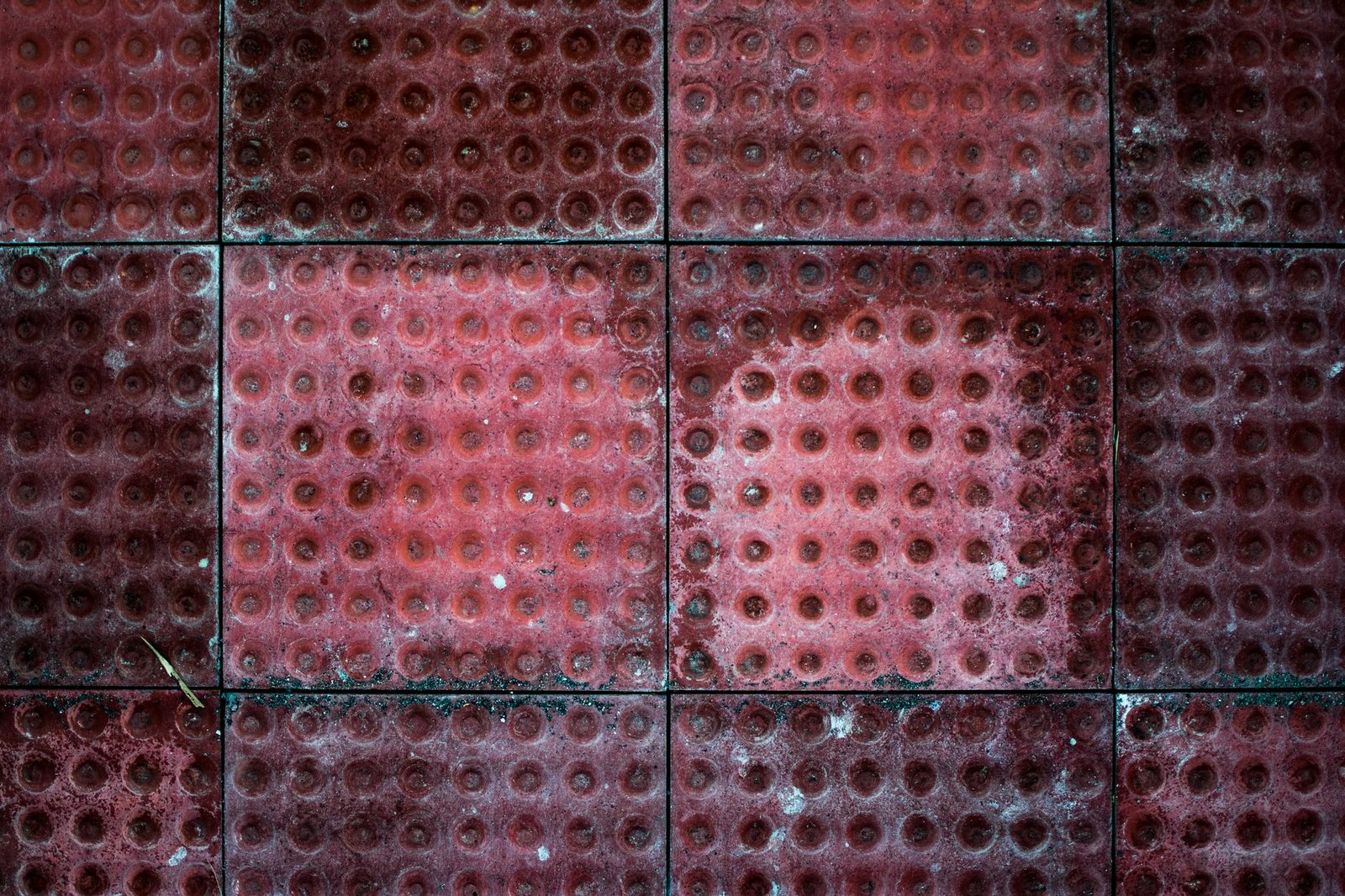
Because fluid concrete fills every corner of a mold, wet cast can copy split slate or wood grain closely. Dry cast used to mean plain faces. Newer dry cast lines add tumbling, shot-blasting and multi-color blends, so the gap has narrowed.
Strength: ask for the test, not the process
The sources disagree about which process is tougher. Rosetta, a hardscape manufacturer, says wet cast is denser and handles freeze-thaw better. Alliance Gator recommends dry cast for heavy commercial loads. Neither claim comes with a number attached.
That's why I'd buy on the test report, not the label. A concrete paver should meet ASTM C936: 8,000 psi average compressive strength, 5% average absorption, and a freeze-thaw limit. Large slabs fall under a separate standard. CMHA's paving slab tech note says ASTM C1782 covers slabs made by dry cast, wet cast or hydraulic pressing, and requires 725 psi average flexural strength. If a seller can't name the standard a product passed, pick a different product, whatever its process. Our durable pavers guide explains the numbers.
Buy the test result, then the look
Choose dry cast concrete pavers for driveways and heavy traffic, and wet cast where the finish matters most. Either way, the spec sheet decides. For the wider range of materials, see paving stones. The pallet may say "dry cast" in big letters, but it's the small print that holds up the car.
FAQ
Are dry cast pavers stronger than wet cast?
Not automatically. Manufacturers make both claims. Compare test results: ASTM C936 for pavers, ASTM C1782 for slabs.
Why are wet cast pavers more expensive?
Each piece stays in its mold until it hardens, so a plant produces far fewer units a day than a dry cast machine.
Can wet cast pavers go on a driveway?
Only if the maker rates that product for vehicles. Many wet cast lines are thin slabs for patios and steps.
Do dry cast pavers need sealing?
No. Sealing is optional for both types. Check the manufacturer's advice first, because porosity varies between products.


