Last Updated on September 23, 2026 by Umar Farooq
Landscape fabric for paver patio projects does one job well, and it is not the job printed on most of the rolls: it separates the soil from the gravel base. It goes on the compacted soil at the bottom of the excavation, under the gravel, and it runs up the sides of the dig. It never goes between the gravel and the 1-inch bed of sand the pavers sit on. Use a non-woven geotextile, not thin weed-barrier cloth, and use it whenever the soil is clay, silt or soft fill. On firm, sandy, well-drained ground it is optional. It won't stop weeds in the joints, because those grow from the top down.
The confusion comes from the name. "Landscape fabric" in a garden center usually means a light weed barrier for flower beds. Under a patio, you want geotextile, a construction fabric built to carry stone and separate soil layers. Same shelf, same beige roll, very different jobs.
Landscape fabric vs geotextile: similar rolls, different jobs
| Product | What it is | Under a paver patio? |
|---|---|---|
| Weed-barrier landscape fabric | Thin woven or spun-bonded polypropylene, sold for garden beds | No. Tears under crushed stone and compaction, and weeds in the joints grow above it anyway |
| Non-woven geotextile | Felt-like sheet of needle-punched polypropylene or polyester fibers | Yes. The standard separation fabric for patios and walkways |
| Woven geotextile | Tightly woven flat tape, like a heavy tarp without the coating | Sometimes. Stronger, but drains more slowly; used mainly for stabilizing soft ground under driveways and roads |
| Plastic sheeting | Solid polyethylene film | Never. It traps water in the base |
Paver suppliers now sell "paver underlayment fabric," which is usually a non-woven geotextile in a heavier weight. I read a lot of roll labels for this, and the rule that survived is simple: look for published weight and strength numbers. A product whose label talks only about weeds is telling you which job it was built for.
Where landscape fabric for a paver patio goes
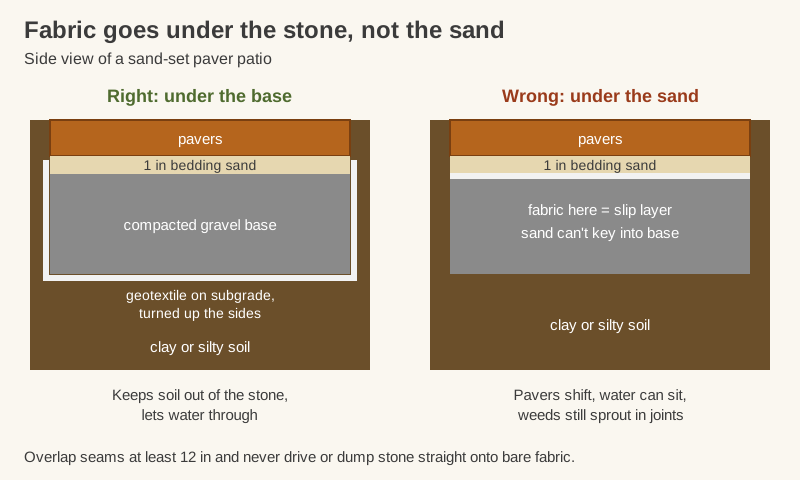
From the bottom up, a sand-set patio with fabric looks like this:
- Native soil (subgrade), dug out and compacted
- Geotextile fabric, laid on the soil and turned up the sides of the excavation
- Compacted gravel base, 4 to 8 inches or more, depending on soil and use
- 1 inch of coarse bedding sand (ASTM C33 concrete sand), screeded loose
- Pavers, compacted into the sand, with sand in the joints
The fabric's job is at the boundary between layers 1 and 3. Under traffic and in wet weather, fine soil gets pushed up into the voids of the gravel, and gravel gets pushed down into soft soil. Over a few years the bottom of the base turns into muddy stone that no longer drains or carries load, and the patio starts to dip. The fabric keeps the two apart while letting water through. It is, essentially, a very polite fence between two neighbors who would otherwise move in together.
How deep the base itself should be on each soil type is covered in our paver base guide.
Why fabric under the bedding sand does more harm than good
It's tempting to lay fabric right under the sand, closer to the weeds you're trying to stop. This is the one point I won't soften: the fabric belongs under the stone, never under the sand. The bedding layer is only an inch thick, and anything slipped beneath it becomes the weakest layer in the patio. Standard sand-set construction puts nothing between the base and the bedding sand, for good reasons:
- It creates a slip layer. The bedding sand is supposed to key into the textured top of the compacted base. A sheet of fabric in between lets the sand bed and the pavers shift, especially under tires or on a slope.
- It can hold water in the sand. Fabric, especially a woven one, slows drainage. A wet bedding layer is soft and moves.
- It wrinkles. Any fold or overlap in the fabric shows up in the finished surface as a ridge, because the sand bed is only an inch thick.
- It doesn't stop weeds. Joint weeds germinate in the joint sand from windblown seed, above the fabric. (Fabric under the sand guards the pavers from below. The weeds are arriving by air.)
The one narrow exception is a strip, not a sheet: some installers turn geotextile up against the edge restraint, or lay small pieces over drain holes when pavers go over a slab, so the bedding sand can't wash out through gaps. How to lay the bedding layer itself is covered in screeding sand for pavers.
When a paver patio needs fabric, and when you can skip it
Use it:
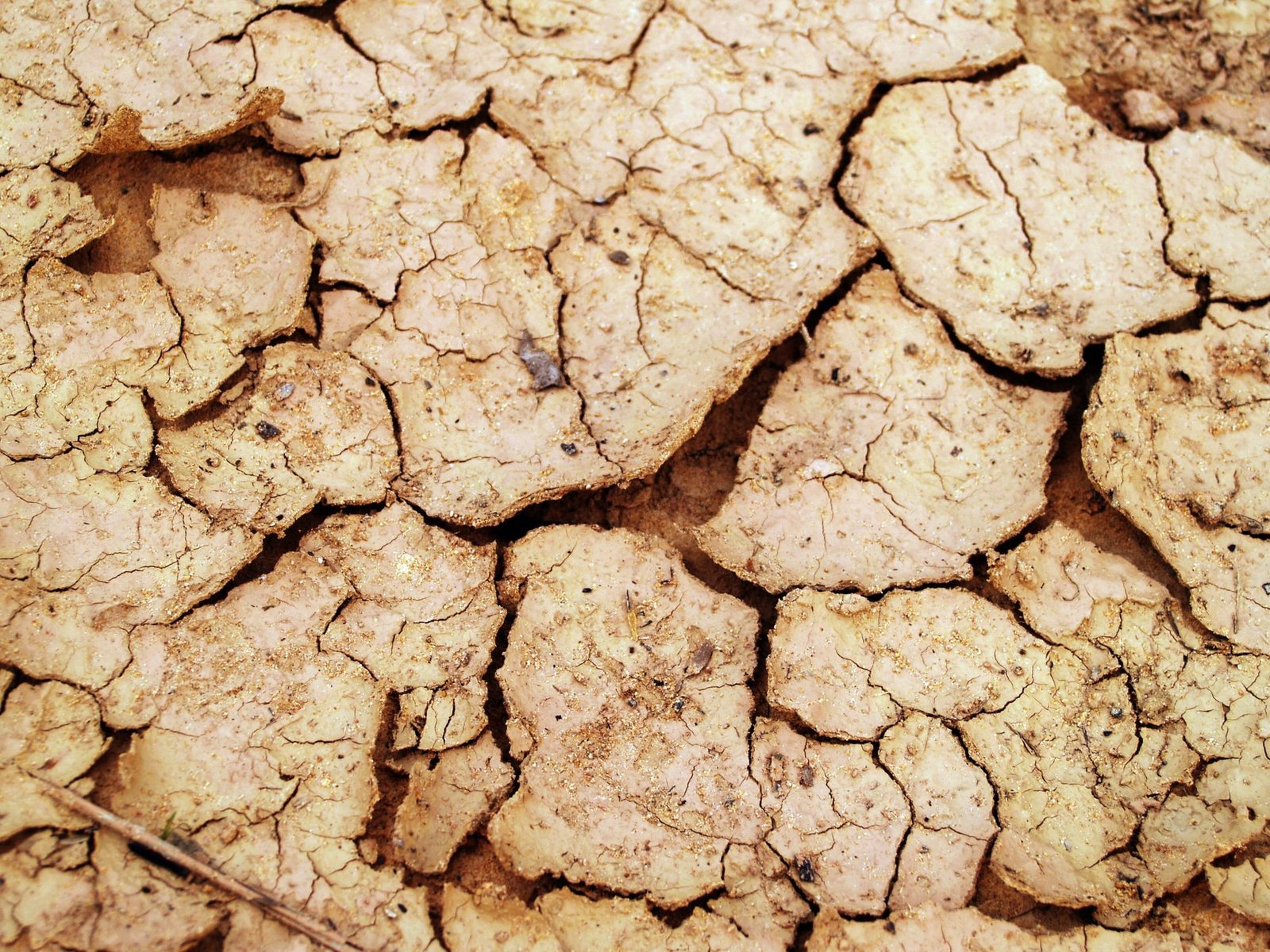
- On clay and silty soil. These soils turn to paste when wet and pump up into the base under load. This is the main reason fabric exists.
- On soft, wet or poorly drained ground, or where the water table is high.
- Over new-build backfill, where soil against the house is still settling.
- Under driveways, where vehicle loads press the base into the subgrade much harder than foot traffic does.
- On slopes, where water moving through the base can carry soil fines with it.
It's optional:
- On firm, sandy or gravelly soil that drains quickly. Sand and gravel don't pump into the base the way clay does, so there's little to separate.
Install-It-Direct's geotextile guide makes the practical point that the fabric costs very little next to the rest of the project, and that many professional installers use it as standard practice whatever the soil. Can't tell what your soil is? Dig a test hole. If a moist handful rolls into a ribbon that holds together, you have clay, and the fabric goes in.
Will landscape fabric stop weeds between pavers?
No, and this is the most common reason people buy the wrong product. Devine Escapes' article on fabric under stone patios is emphatic that fabric should never be used as a weed barrier under a patio. After a pile of garden-center copy that hedges on this, I appreciated the bluntness.
Almost all weeds in a paver patio grow from seeds that land in the joints and sprout in the joint sand, several inches above any fabric, rooted in sand and debris. The few from below, such as deep-rooted perennials, are better handled by stripping all topsoil and roots before the base goes in. A 4- to 8-inch compacted gravel base blocks them better than cloth.
What does stop joint weeds:
- Tight joints kept full of sand
- Polymeric sand, which hardens and gives seeds nowhere loose to root
- Regular sweeping, so dust and organic debris don't build up in the joints
Woven or non-woven geotextile for a patio?
For a patio or walkway, choose non-woven. It drains freely in every direction, filters fine soil well, and conforms to the uneven bottom of an excavation without bridging over dips. It's the fabric most residential paver installers use.
Woven geotextile has much higher tensile strength but lets water through more slowly. It earns its place in stabilization: very soft subgrades, driveways on weak clay, and road work. Under a normal patio it's more fabric than the job needs, and slower drainage works against you.
Weight is a quick guide to toughness. Non-woven geotextiles are sold in ounces per square yard, and heavier grades resist punctures from angular stone and compaction better. Pick a grade the supplier rates for separation under aggregate, and skip the lightest craft-store weights, which are closer to a dryer sheet than a construction material.
Laying geotextile under the base, step by step
- Excavate and compact the subgrade. Remove sod, topsoil and roots, shape the slope into the soil, and run a plate compactor over it. Fabric doesn't make soft soil firm.
- Roll the fabric out across the whole excavation, running it up the sides so soil can't creep in from the edges. It should lie flat on the soil, without tension or wrinkles.
- Overlap every seam by at least 12 inches. Overlap more on soft soil. Shingle the overlaps downhill so the edge of the upper sheet sits on top.
- Pin it with landscape staples or a few shovels of stone so wind can't lift it.
- Place the first lift of base from the edge, pushing stone forward over the fabric. Never drive a loaded wheelbarrow or skid steer straight onto bare fabric, and don't dump stone from height onto it.
- Compact the base in thin lifts, 2 to 3 inches each, as normal. That thin lift suits the small forward plates rental yards hand out; the 4 to 6 inches ICPI allows per lift presumes a 7,000 lbf plate. The fabric changes nothing about how the base is built above it.
- Trim the excess at the top of the excavation once the base and edge restraint are in.
Five fabric mistakes that lead to sinking and weeds
- Using weed-barrier cloth instead of geotextile. It tears under stone, and torn fabric doesn't separate anything.
- Laying it on uncompacted soil. The soil still settles, and the fabric settles with it.
- Putting it under the bedding sand. That creates a slip layer, wrinkles and wet sand, with no weed benefit.
- Skimpy overlaps. A 2- or 3-inch overlap pulls apart when the stone goes on, and soil comes up through the gap.
- Relying on it for weeds and skipping topsoil removal or joint maintenance.
If a patio is already sinking, fabric can't be added from above. Lift the pavers, rebuild the base, and put fabric in at the bottom then. Our guide on how to fix sunken pavers walks through that repair.
Put geotextile under the stone on clay, and keep it away from the sand
Landscape fabric for a paver patio is worth using when it's the right fabric in the right place: non-woven geotextile, on compacted soil, under the gravel base, turned up the sides, seams overlapped at least 12 inches. On clay, silt, soft fill and driveways, don't skip it. On sandy, fast-draining ground it's cheap insurance. Keep it out of the bedding layer entirely, and fight weeds at the joints, where they actually live. The fabric will never get any credit for the patio staying flat, which is the surest sign it did its job.
FAQ
Should I put landscape fabric under pavers?
Put geotextile fabric under the gravel base, not under the pavers or the sand. It's recommended on clay, silt and soft or wet soils, and under driveways. On firm, sandy, well-drained soil it's optional.
Does landscape fabric go under the sand or the gravel?
Under the gravel. It lies on the compacted soil at the bottom of the excavation. Placing it between the gravel base and the bedding sand creates a slip layer and can trap water in the sand.
What kind of fabric goes under pavers?
A non-woven geotextile rated for separation, sometimes sold as paver underlayment fabric. Woven geotextile is for stabilizing very soft ground or heavy driveways. Thin garden weed-barrier fabric is not suitable.
Will landscape fabric under pavers stop weeds?
No. Weeds in a paver patio grow from seeds that land in the joint sand, above the fabric. Keep the joints full, use polymeric sand if weeds are a problem, and sweep regularly.
Is geotextile necessary under a paver patio?
It's necessary on clay and silty soils, where the soil otherwise migrates into the base and the patio slowly sinks. It's optional on well-drained sandy or gravelly soil, although many installers use it everywhere because it adds little cost.
Can I use landscape fabric under pavers on sandy soil?
You can, and it does no harm if it goes under the base. It adds less benefit there, because sandy soil doesn't pump into the gravel the way clay does. Just use a real geotextile, not garden fabric.