Last Updated on September 23, 2026 by Umar Farooq
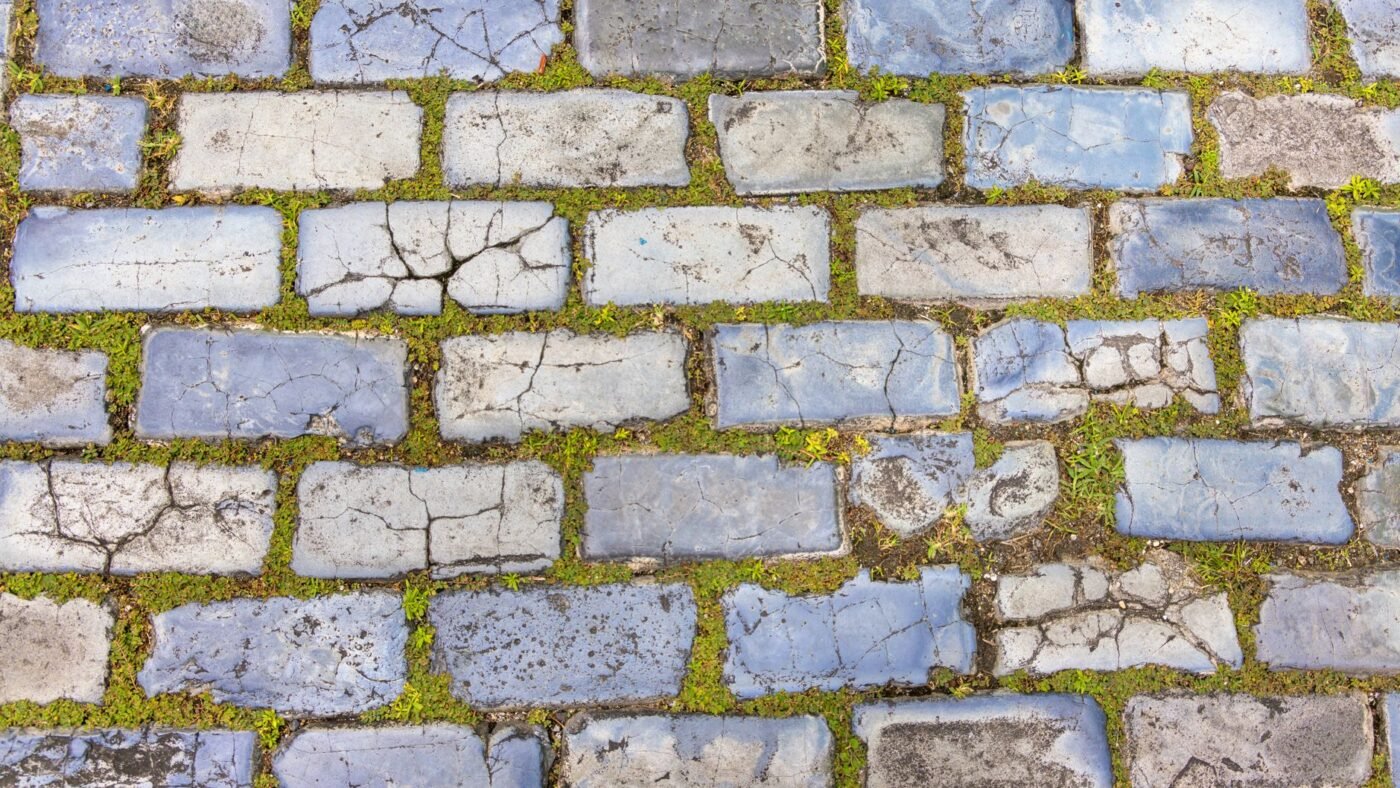
Most polymeric sand problems come from the installation, not the bag, which is bad news for anyone hoping to blame the bag. Joints that stay soft, form a crust that flakes off, wash out in the first storm or leave a film on the pavers almost always trace back to one of four things: moisture before the sand was placed, joints that weren't filled and compacted to full depth, too little or too much water during activation, or rain before it set. Cracked joints are different; they usually mean the pavers or base are moving. Every one of these has a fix, and most mean digging the joint out and doing it again properly.
Polymeric sand problems at a glance
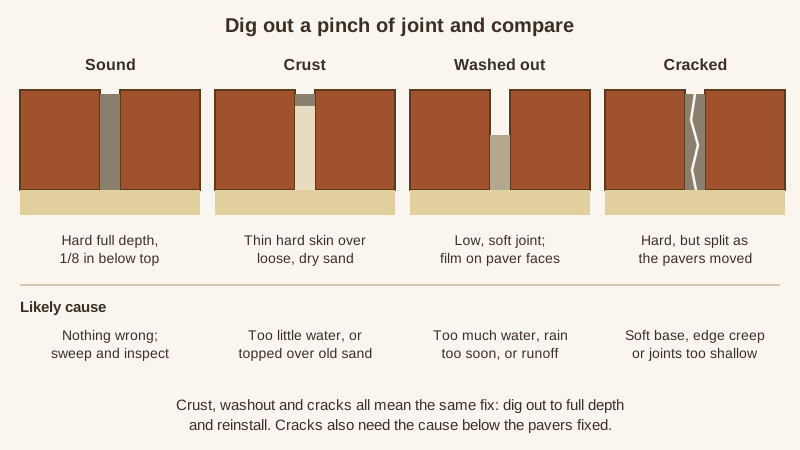
Scrape a joint with a screwdriver and look at what comes out. The surface lies; the screwdriver doesn't.
| What you see | Likely cause | Fix |
|---|---|---|
| Joint stays soft or sandy days later | Under-watered, too cold, rained on, or wrong product | Let it dry fully; if still soft, remove and reinstall |
| Hard top layer lifts off, loose sand below | Water didn't reach full depth, or new sand laid over old | Dig out to full depth and reinstall |
| Sand low in joints, film on the pavers | Too much water, heavy rain too soon, or runoff | Clean the film, dig out and reinstall |
| Hairline cracks along the joints | Paver or base movement, shallow joints | Fix the movement first, then reinstall |
| Gray or white film on the paver faces | Dust left on the surface when watered | See our haze removal guide |
| Weeds or moss in the joints | Cracks, low joints, or shade and standing water | Clear, then repair the joint; improve drainage |
Joints that never harden
Polymeric sand gets slightly softer when it's soaked and firms up again as it dries. That's normal. A joint that is still crumbly after a few dry days is not.
How to Hardscape's guide to problems with polymeric sand lists the usual causes:
- Not compacted. Sweeping alone leaves voids. The sand needs a plate compactor pass (with a pad) and a top-up, repeated until the joints stop dropping.
- Under-watered. A light sprinkle wets the top and leaves the binder below dry.
- Too cold. Every product has a minimum temperature for setting. KnockOffDecor's polymeric sand troubleshooting guide gives 50 to 80°F on installation day as a working range.
- Rain too soon. Dry windows vary more than you'd think. Alliance Gator's SuperSand G2 data sheet says rain-safe after 15 minutes, Techniseal's HP NextGel says 60 minutes, and many standard bags ask for about 24 hours. Read yours.
- Topped up with cheap sand. Plain sand at the bottom capped with polymeric leaves a thin layer that can't bond.
- Wrong product for the joint width. Wide flagstone joints need a wide-joint product.
If a joint is still soft after a week of dry weather, it is unlikely to recover. Scrape it out and start again.
A crust that cracks and flakes
A familiar failure: the top 1/4 inch looks fine for a few weeks, then lifts out in flakes over loose sand. It is a joint with a lid and nothing in the jar.
Either the water never soaked down, so only the top activated, or new sand went in as a thin layer over old. Either way the hardened layer has nothing solid under it, and foot traffic snaps it.
The fix is the same: rake the joint out to the full paver depth, or at least 1 1/2 inches (the minimum on the SuperSand G2 and HP NextGel data sheets), and reinstall. Sprinkling fresh sand into the gaps won't bond to what's already cured.
When polymeric sand washes out
Washout means water arrived faster than the sand could take it:
- Too much water at activation. A hard jet floods the binder out of the joint and onto the paver faces.
- Rain before it set. Techniseal's polymeric sand FAQ also advises waiting at least 24 hours after significant rain before installing, so the joints start dry.
- Concentrated runoff. A downspout or sprinkler hitting the same joints daily erodes even good polymeric sand. Redirect it.
- The wrong bed underneath. Stone dust holds water under the joints; ASTM C33 concrete sand, the bedding spec in CMHA's guide specification, drains.
Envirobond, which sells a competing jointing product, claims ordinary polymeric sand begins to erode after as little as two hours of rain. I searched for independent testing behind it; the trail ends at Envirobond's own page. The dry window still matters.
Cracks along the joints
Hardened polymeric sand is stiff. If the pavers move, the joint cracks, and the crack is the messenger, not the problem. Look below:
- Settling base. A soft spot or dip in the pavers will crack the joints around it.
- Edge creep. Pavers spreading at an unrestrained edge open the joints near the border.
- Frost heave on poorly drained bases.
- Shallow fill. A thin layer of polymeric sand cracks more easily than a full-depth strip.
Refilling cracked joints without fixing the movement just buys a season. Reset the pavers or the edge first, then reinstall the sand.
Haze on the paver faces
A cloudy film comes from polymeric dust left on the surface when it was watered. Removal is covered step by step in polymeric sand haze.
Weeds, moss and ants in the joints
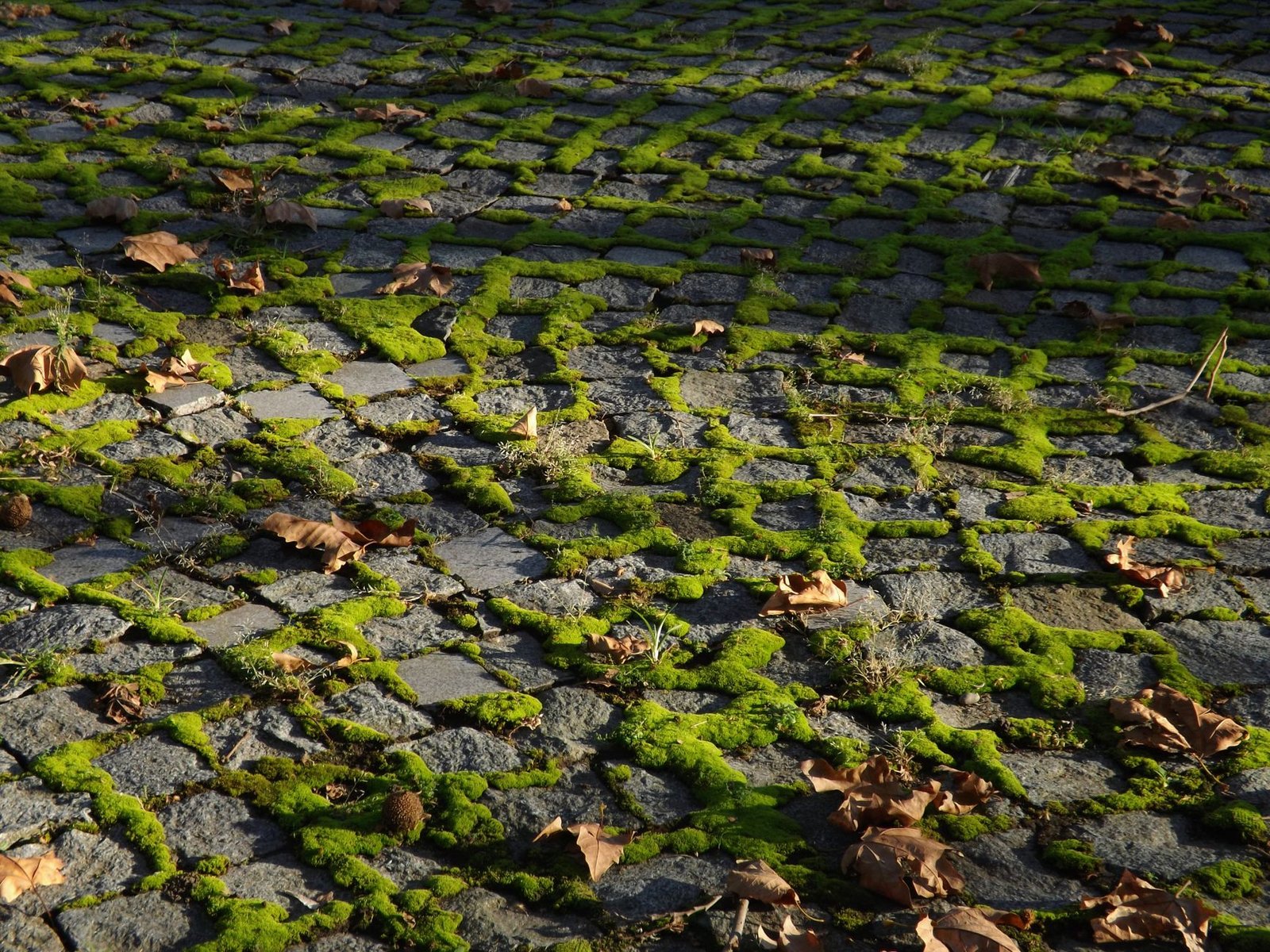
Polymeric sand discourages all three; it doesn't make them impossible.
- Weeds mostly grow in seed and dust that collect on top of the joint, or in cracks and low spots. Regular sweeping removes the seedbed.
- Moss grows in shaded joints that stay damp. The joint is the low point where water sits, so a patio without enough slope grows moss first.
- Ants tunnel through loose or cracked joints. A sound, full-depth joint keeps most out.
Pull weeds by the root, kill moss, then repair any joint that is cracked or low.
How long does polymeric sand last?
A well-installed polymeric sand joint typically lasts for years, not months. Alliance Gator, one of the biggest makers, backs its Super Sand Bond and Maxx products with a 15-year limited warranty, and KnockOffDecor quotes up to 15 years for a quality product. What shortens it is the same list that causes the problems above:
- Joints filled less than full depth
- Standing water, poor slope or runoff from downspouts
- Freeze-thaw cycles on a poorly drained base
- Frequent pressure washing close to the joints
- Pavers that move
Techniseal's Natural Look sealer data sheet says to wait 30 days after installing polymeric sand before sealing. A sealer doesn't make weak joints strong, but it can slow surface wear on sound ones.
Fixing a failed joint properly
Here is the opinion I'd defend at any stone yard: a failed joint is not a failed patio. Pavers come out and go back exactly where they were, which is the whole advantage over a poured slab, so nothing here needs a rip-out. New polymeric sand won't bond to old, though, so for any joint that is crusted, washed out or cracked:
- Remove the old joint material to the full paver depth with a joint scraper or a narrow pressure washer tip.
- Let the pavers and joints dry completely.
- Fix any settling or edge movement first.
- Refill, compact, top up and blow the surface clean.
- Water in gentle passes until the joints stop taking water.
The full method is in how to apply polymeric sand.
Most failures are water and depth, not the bag
When polymeric sand fails, look at the installation first. A dry surface, full-depth compacted joints, gentle but thorough watering and a dry day to set prevent nearly every soft joint, crust and washout. Cracks point to movement below the pavers, and haze to dust left on top. Fix the cause, redo the joints properly, and they will last for years. And if you're reading this on your knees with a screwdriver, you've already found the right tool.
FAQ
Why is my polymeric sand still soft?
Usually it was under-watered, installed when too cold, rained on before it set, or placed over loose sand. Give it a few dry days. If it's still soft, dig it out and reinstall.
Why is my polymeric sand cracking?
The pavers or base are moving, the joints were filled too shallow, or only a thin top layer hardened. Fix the movement and reinstall at full depth.
Can you put new polymeric sand over old polymeric sand?
No. New sand won't bond to cured sand and will form a crust that flakes off. Remove the old material to at least 1 1/2 inches, ideally full depth, first.
Will weeds grow through polymeric sand?
No. It discourages weeds, but seeds can still sprout in debris on top of the joint or in cracks. Keep the surface swept and repair damaged joints.
How long does polymeric sand last before it needs replacing?
Years when installed well. Alliance Gator backs its main products with a 15-year limited warranty. Poor drainage, shallow joints and moving pavers shorten it.