Sand for Pavers: Which Sand Goes Under, Which Goes Between, and How Much to Buy
Sand for pavers explained: coarse concrete sand for the 1-inch bed, fine or polymeric sand for joints, what to avoid, and how many tons or bags to buy.

Sand for pavers explained: coarse concrete sand for the 1-inch bed, fine or polymeric sand for joints, what to avoid, and how many tons or bags to buy.
Paver walkway installation made simple: set a 36-48 in width, dig 7-9 in, slope it sideways, restrain both edges and add steps where the ground drops.
Which paver base material to buy: crusher run, QP, road base, #57 open-graded stone, RCA or plastic panels, plus the materials that fail under pavers.
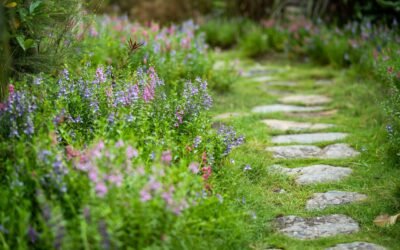
How to lay stepping stones in a lawn: set 24 in apart, cut the sod, bed each stone on 1 in of sand and sit it flush so the mower rolls right over.
Screeding sand for pavers step by step: 1-inch rails, board technique, rail height from a string line, filling voids and the mistakes that cause dips.
You can lay pavers on dirt for stepping stones and light garden paths, not patios. Test the soil, tamp it, set pavers on 1 inch of sand and keep water moving.
Paver driveway installation done right: base depth by soil, 80 mm pavers, herringbone, curb edging, permits and costs, step by step.
Can you lay pavers over concrete? Yes, if the slab is sound. Compare sand-set, mortar-set and adhesive methods, drain holes, thin pavers and door heights.
How a paver base works: the 3 layers, how deep to dig for patios and driveways, compacting in lifts, geotextile on clay and building slope into the base.
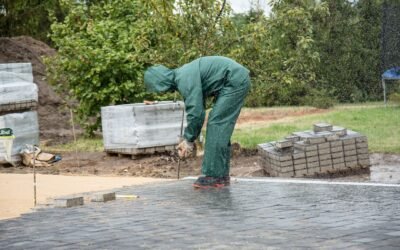
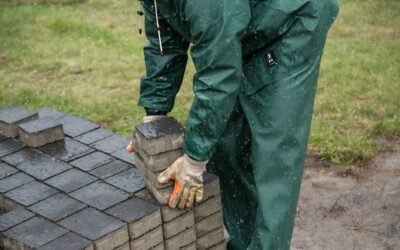
Paver installation in 7 steps: dig 7-9 in, compact 4-6 in of gravel in lifts, screed 1 in of sand, lay, cut, restrain the edge and lock the joints.