Patio Pavers Price: What Each Material Tier Costs, and What the Paver Price Leaves Out
Patio pavers price by material, from concrete to natural stone, plus installed vs DIY costs and the base, sand and edging costs that paver quotes leave out.

Patio pavers price by material, from concrete to natural stone, plus installed vs DIY costs and the base, sand and edging costs that paver quotes leave out.
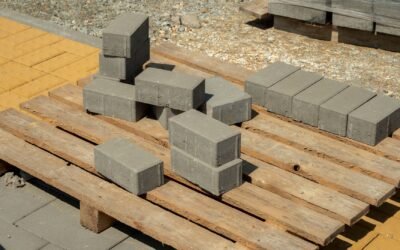
What a pallet of pavers holds: square feet, piece counts and weight by size and thickness, plus delivery, where to set it down, pallet deposits and returns.
Fire pit blocks explained: wall block vs cinder block, kits, why a steel ring or firebrick matters, building a block fire pit in a paver patio, and clearances.
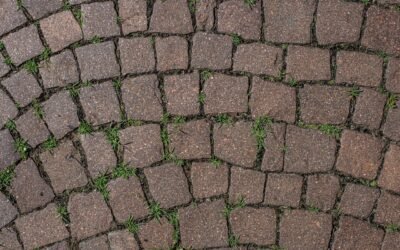
Tumbled pavers are concrete or stone pavers aged in a drum for worn, rounded edges. How they're made, joint needs, pros and cons, and tumbled vs standard.
Paver thickness explained: 2 3/8 in (60 mm) for patios and most driveways, 3 1/8 in (80 mm) for heavy traffic, thin 1 1/4 in pavers for overlays, and why.
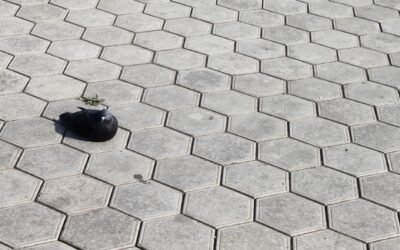
Hexagon pavers explained: how they're measured, how many you need, laying out the rows, finishing edges with half pieces or gravel, and the best patterns.
What a soft cut saw is, when to cut control joints in fresh concrete (1 to 4 hours after finishing), how deep, how far apart, and its role next to pavers.
How a paver vacuum lifter works, which surfaces it grips, capacity and safety checks, suction vs clamp lifters, and when renting or buying makes sense.
Paver walkway designs that work: choose a route and width, curve it with purpose, add landings and borders, pick materials and patterns, and light the path.
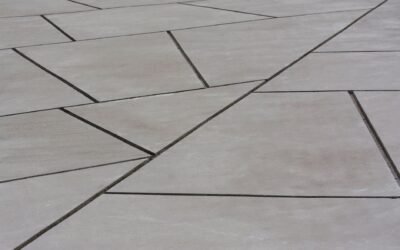
24x24 pavers explained: weight, coverage, why big slabs need a flatter base, joint spacing, lippage and the best patterns for 24x36 and 36x36 slabs.