

Last Updated on October 20, 2026 by Umar Farooq
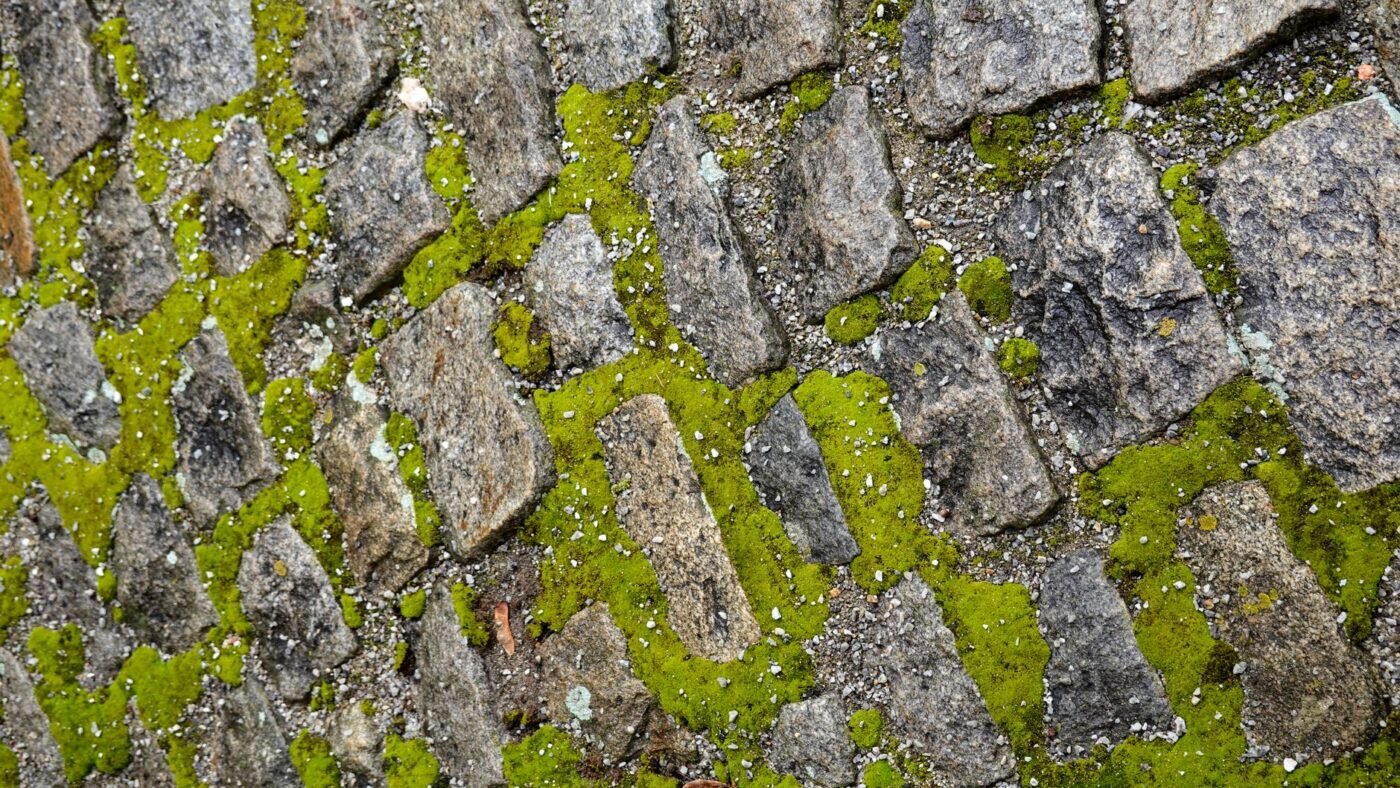
How to clean moss off pavers comes down to five moves: scrape the thick growth out of the joints, treat what is left with a moss killer that will not stain, rinse it gently, refill the joint sand, and then fix whatever is keeping that patch damp. The first four take an afternoon. The fifth is the one that decides whether you do this again next spring.
Moss is not damaging the pavers themselves, but it is slippery when wet and it holds moisture against the surface and in the joints. Hunker's moss guide makes the same point: moss makes pavers slippery and can shorten their life.
Match the method to how much moss you have
Do the least work the situation allows. Here is how the guides I read line up.
| How much moss | Best first move | Watch out for |
|---|---|---|
| A few joints or one corner | Scrape and brush by hand | Scratching the paver face |
| Patches across a patio | Scrape, then a surface-safe killer, then a garden hose | Iron-based lawn products that stain |
| The whole surface | Killer, then low-pressure wash with a surface cleaner attachment, then new joint sand | Blowing the sand out of the joints |
Western Interlock suggests exactly this ladder: a screwdriver or scraping tool for small amounts, a 50/50 bleach and water mix for moderate amounts, and a pressure washer with a surface washer attachment only when the whole project is covered (Western Interlock).
How to clean moss off pavers in five steps
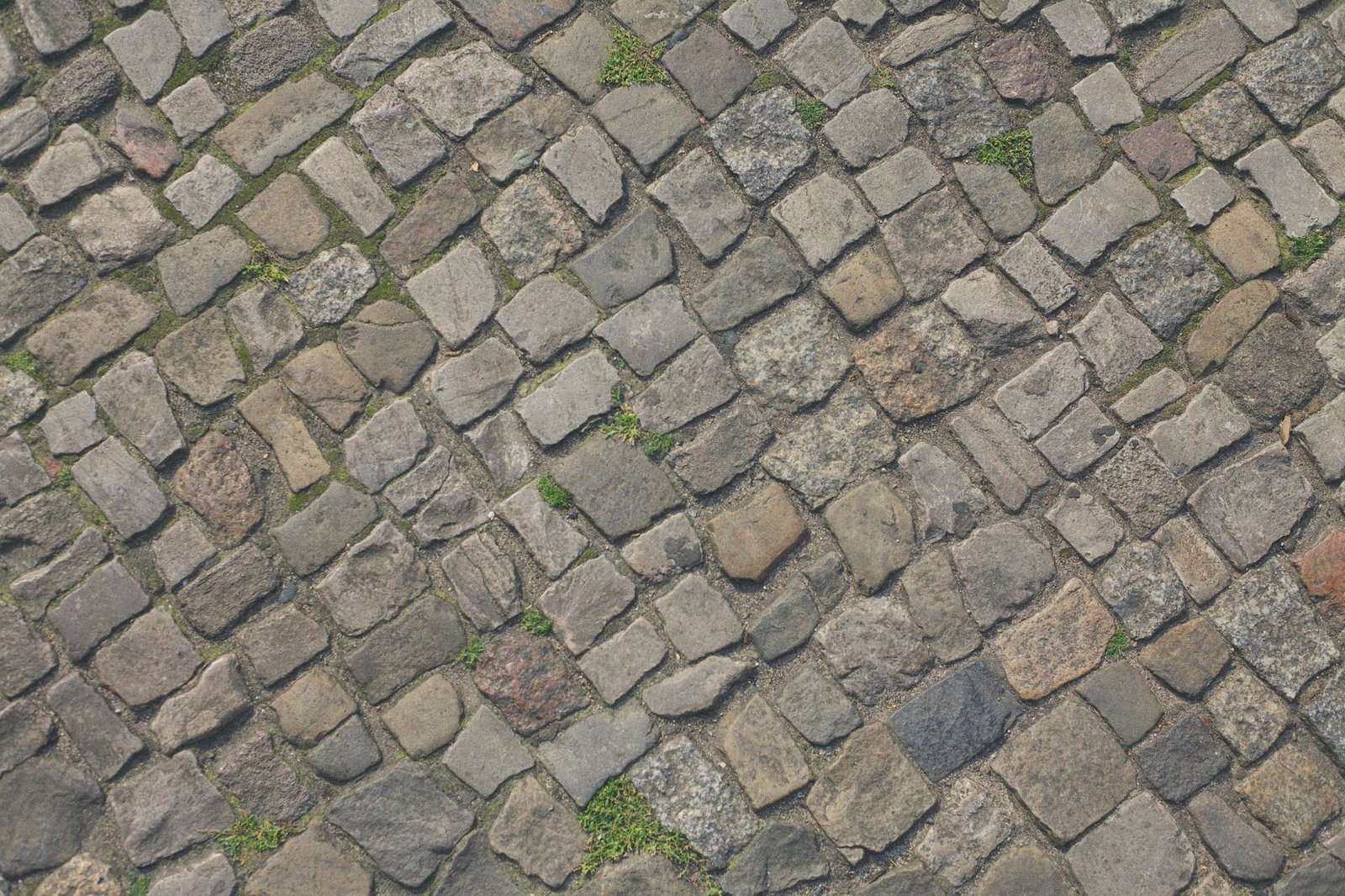
- Scrape the joints, not the pavers. Use a flathead screwdriver or a joint scraper to pull moss out of the joints, then sweep it up with a stiff broom. Keep the tip in the joint. Scratching the paver face is how a cleaning job becomes a repair job. Thick moss also shields the moss underneath from any treatment, so remove the heavy growth first.
- Apply the killer. Follow the label on whichever product you choose (more on those below).
- Wait. Soap-based killers act in hours. Zinc sulfate is slow, a matter of weeks, because it works by damaging the moss rather than burning it off. Plan the job for a stretch with no rain forecast for several days so the treatment is not washed away.
- Brush off the dead moss and rinse. Dead moss turns brown and loosens. A stiff broom and a garden hose will clear most of it.
- Check the joint sand. Scraping removes sand along with the moss. Top the joints back up with fresh sand, or with polymeric sand if the joints were already stabilized. Our guide to applying polymeric sand covers it, and it also tells you how to refill them.
Kill it without staining: zinc, soap, bleach and vinegar compared
Not every moss killer belongs on a patio. This is where most mistakes happen.
- Zinc sulfate. Pennington describes zinc products as non-staining, safe for roofs, patios, sidewalks, bricks and unpainted cement, and the kill time as roughly three to five weeks (Pennington). Slow, but the gentlest on the stone.
- Soap-based moss killers. Ammoniated fatty-acid soaps break through the moss's protective layer so it dries out, with results in a few hours. The same page says they do not stain concrete or pavement.
- Bleach and water, 50/50. It works, and Western Interlock uses it for moderate moss, applied a day before rinsing. It can lighten colored pavers and kill nearby plants, so test a hidden spot, cover the lawn and beds, and never mix it with other cleaners.
- Vinegar, boiling water and baking soda. These are the usual home remedies. Hunker notes they often take several treatments. Fine for one stubborn crack, not for a patio.
- Lawn moss killers. Check the label before you buy. Hunker warns that products made for yards can contain ingredients that stain brick, and that you should choose one labeled for walkways or structures.
My opinion: start with the broom, then pick the zinc or soap product, and keep bleach for when you need to see results this weekend. Pavers are porous, and a rust-orange stain from the wrong product is a much worse problem than a few extra days of green. If it happens, our guide to removing rust stains from pavers covers what comes next.
Timing matters too. Moss is in active growth in cool, wet spring and fall, and largely dormant in warm summer weather, so treatments land best then.
Rinsing without blowing the joints out
A pressure washer clears moss fast and clears joint sand just as fast. Western Interlock keeps its pressure at or below about 2,000 psi and warns that new pavers can lose aggregate at higher pressure. Whatever you set, keep the nozzle moving, hold it back from the joints, and use a surface-cleaner attachment on large areas instead of a bare wand. Our guide to power washing pavers covers settings.
The honest alternative is a garden hose and a stiff brush. It takes longer, it costs nothing and it never removes a joint.
Why the moss comes back
Moss needs three things: moisture, shade and a place to root. Remove any one and it struggles.
- Shade. North-facing corners and areas under trees stay damp. Trimming overhanging branches and clearing leaves lets the surface dry.
- Water. Check for sprinkler spray, a downspout dumping on the patio, or a surface that holds puddles. If water stands, the patio is shedding it badly. Our guide to patio drainage covers slope and outlets.
- Open joints. Joints with low or missing sand give moss a bed of fines to root in. Refilled sand takes that away.
Repeat treatment once a year in the worst spots, just before the wet season, and the problem stays small.
Fix the damp spot, or you will be scraping again by spring
Moss does not appear on a dry, sunny, well-drained surface. Kill it, scrape it, rinse it, refill the joints, and then deal with the shade or the water that invited it. Everything else is maintenance on a problem you did not solve. If weeds are growing in the same joints, see removing weeds from pavers.
FAQ
What is the best way to remove moss from pavers?
Scrape the thick growth out of the joints, treat what remains with a non-staining moss killer such as a zinc or soap product, brush it off and rinse. Then refill the joint sand and fix the shade or drainage problem behind it.
Will bleach kill moss on pavers?
Yes. A 50/50 bleach and water mix is a common method for moderate moss, left for a day before rinsing. It can discolor some pavers and harm plants, so test a hidden area and protect the lawn first.
Is it safe to pressure wash moss off pavers?
It can be, with care. Keep the pressure at or below about 2,000 psi, keep the nozzle moving and use a surface-cleaner attachment, or the washer will strip joint sand and roughen new pavers.
What kills moss on pavers permanently?
Nothing, on its own. A moss killer clears it, but moss returns wherever there is shade and moisture. Trimming trees, fixing drainage and keeping the joints full of sand is what makes the result last.
What is the best time of year to treat moss?
Cool, wet seasons, such as spring and fall, when moss is actively growing. Apply when no rain is expected for several days.
Do I need to reseal pavers after removing moss?
Not necessarily, but sealing after cleaning can slow regrowth. If you have just refilled the joints with polymeric sand, wait for the product's stated cure time before sealing.


