Pros and Cons of Sealing Pavers: What You Gain, What It Costs You, and When to Skip It
The pros and cons of sealing pavers: stain and fade protection and firmer joints versus recoating, slippery film and trapped haze, plus when to skip it.

The pros and cons of sealing pavers: stain and fade protection and firmer joints versus recoating, slippery film and trapped haze, plus when to skip it.
What a soft cut saw is, when to cut control joints in fresh concrete (1 to 4 hours after finishing), how deep, how far apart, and its role next to pavers.
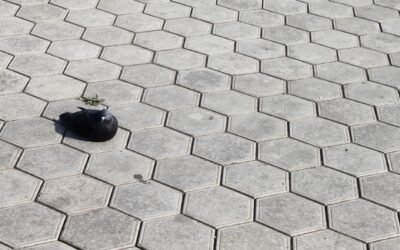
Hexagon pavers explained: how they're measured, how many you need, laying out the rows, finishing edges with half pieces or gravel, and the best patterns.
Paver thickness explained: 2 3/8 in (60 mm) for patios and most driveways, 3 1/8 in (80 mm) for heavy traffic, thin 1 1/4 in pavers for overlays, and why.
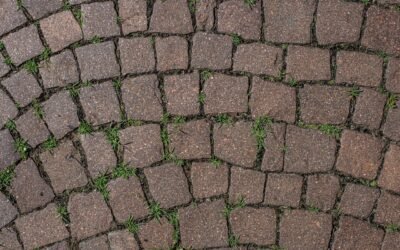
Tumbled pavers are concrete or stone pavers aged in a drum for worn, rounded edges. How they're made, joint needs, pros and cons, and tumbled vs standard.
Fire pit blocks explained: wall block vs cinder block, kits, why a steel ring or firebrick matters, building a block fire pit in a paver patio, and clearances.
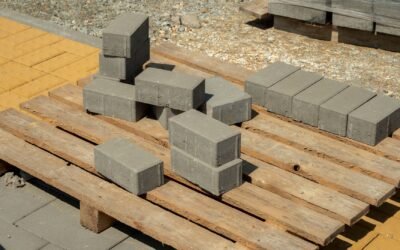
What a pallet of pavers holds: square feet, piece counts and weight by size and thickness, plus delivery, where to set it down, pallet deposits and returns.
Patio pavers price by material, from concrete to natural stone, plus installed vs DIY costs and the base, sand and edging costs that paver quotes leave out.
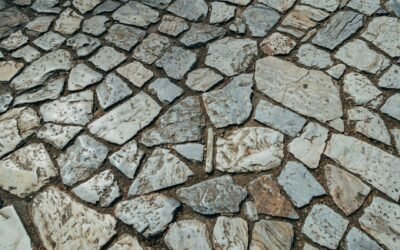
Flagstones explained: the main types, irregular vs cut flagstone, dry-laid vs mortared patios, how thick the stone should be, and what to fill the joints with.
Hardscaping definition in plain English: the non-living parts of a landscape, hardscape vs softscape, 7 common elements, materials and hardscape pavers.