Concrete Patio with Paver Border: How to Widen, Frame and Finish an Existing Slab
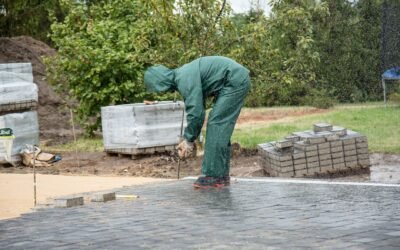
Add a concrete patio with paver border the right way: widen the slab, match heights, handle the joint at the concrete and keep water draining off the edge.

Add a concrete patio with paver border the right way: widen the slab, match heights, handle the joint at the concrete and keep water draining off the edge.
How to apply polymeric sand to pavers: dry surface, full-depth fill, compacting, a blower pass, misting in 3 passes, and what to do without a compactor.
Paver joint compound compared: resin and premixed jointing compounds vs polymeric sand, which suits wide joints and natural stone, and how to choose and apply.
Build a paver walkway with gravel that stays put: 4 layouts, the right gravel, base depth, setting stepping pavers, edging to contain stones and easy upkeep.
Patio drainage starts with slope: 1/4 in per foot away from the house. Grading, downspouts, and when to add a channel drain, French drain or dry well.
What is polymeric sand? A joint sand with a polymer binder that sets when wetted. How it works, whether it hardens like concrete, and when not to use it.
Power washing pavers safely: 1,200-1,800 PSI, a 40-degree tip, 12 inches away, a surface cleaner for big areas, and how to re-sand the joints afterwards.
Sand for pavers explained: coarse concrete sand for the 1-inch bed, fine or polymeric sand for joints, what to avoid, and how many tons or bags to buy.
Can you lay pavers over concrete? Yes, if the slab is sound. Compare sand-set, mortar-set and adhesive methods, drain holes, thin pavers and door heights.
Paver driveway installation done right: base depth by soil, 80 mm pavers, herringbone, curb edging, permits and costs, step by step.