Mortar Paver Joints: When Mortar Works, Why It Cracks and How to Point Joints Properly
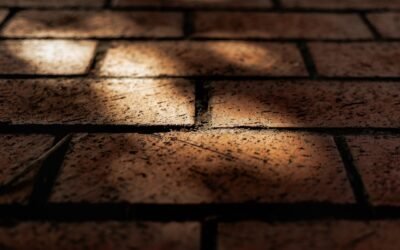
Mortar paver joints only last on a rigid concrete slab. Polymeric sand vs mortar, why mortared joints crack, and how to mortar joints between pavers.

Mortar paver joints only last on a rigid concrete slab. Polymeric sand vs mortar, why mortared joints crack, and how to mortar joints between pavers.
Jumping jack vs plate compactor: why rammers win on clay and in trenches, why plates win on gravel and pavers, with a side-by-side table and a job-by-job pick.
What is a tamper? A flat steel plate on a long handle for packing soil and gravel. Sizes, when hand tamping is enough, technique, and tamper vs plate compactor.
Add a concrete patio with paver border the right way: widen the slab, match heights, handle the joint at the concrete and keep water draining off the edge.
How to apply polymeric sand to pavers: dry surface, full-depth fill, compacting, a blower pass, misting in 3 passes, and what to do without a compactor.
Paver joint compound compared: resin and premixed jointing compounds vs polymeric sand, which suits wide joints and natural stone, and how to choose and apply.
Build a paver walkway with gravel that stays put: 4 layouts, the right gravel, base depth, setting stepping pavers, edging to contain stones and easy upkeep.
Patio drainage starts with slope: 1/4 in per foot away from the house. Grading, downspouts, and when to add a channel drain, French drain or dry well.
What is polymeric sand? A joint sand with a polymer binder that sets when wetted. How it works, whether it hardens like concrete, and when not to use it.
Power washing pavers safely: 1,200-1,800 PSI, a 40-degree tip, 12 inches away, a surface cleaner for big areas, and how to re-sand the joints afterwards.